Search

Elsie Wagg

The woman behind the National Garden Scheme

The Hermitage was Elsie Wagg’s much-loved Sussex home, but her garden inspired something much bigger. In 1926, she came up with an idea that would open hundreds of gardens across England and Wales

A woman with a life of her own

Born in London in 1876, Elsie grew up in a wealthy Victorian family. Her father was a successful stockbroker and the family homes in Marylebone and Hove were filled with art, music and distinguished visitors.

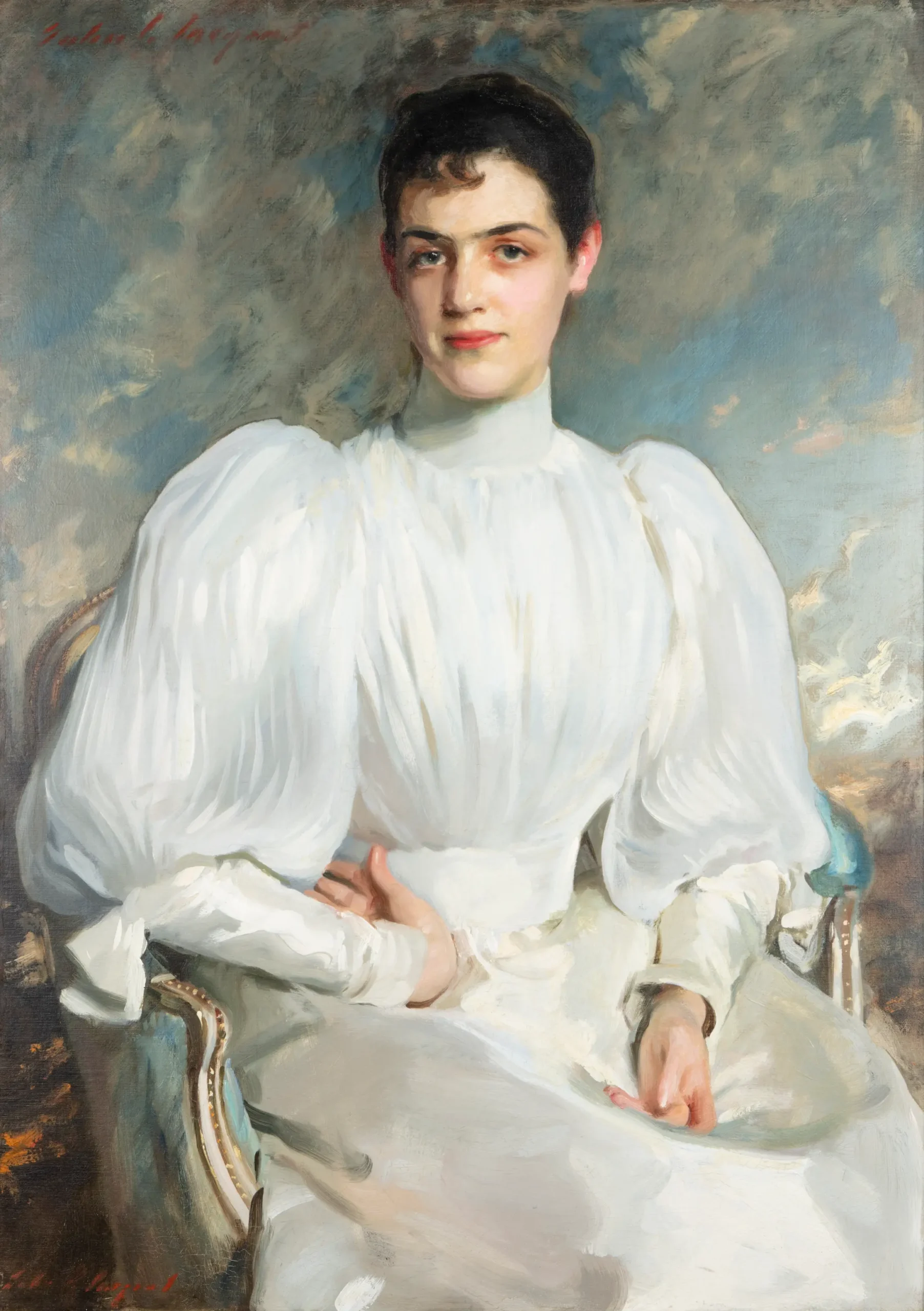
When Elsie was just seventeen, she sat for a family friend, the celebrated artist John Singer Sargent. His portrait of her was exhibited at the Royal Academy in 1926.

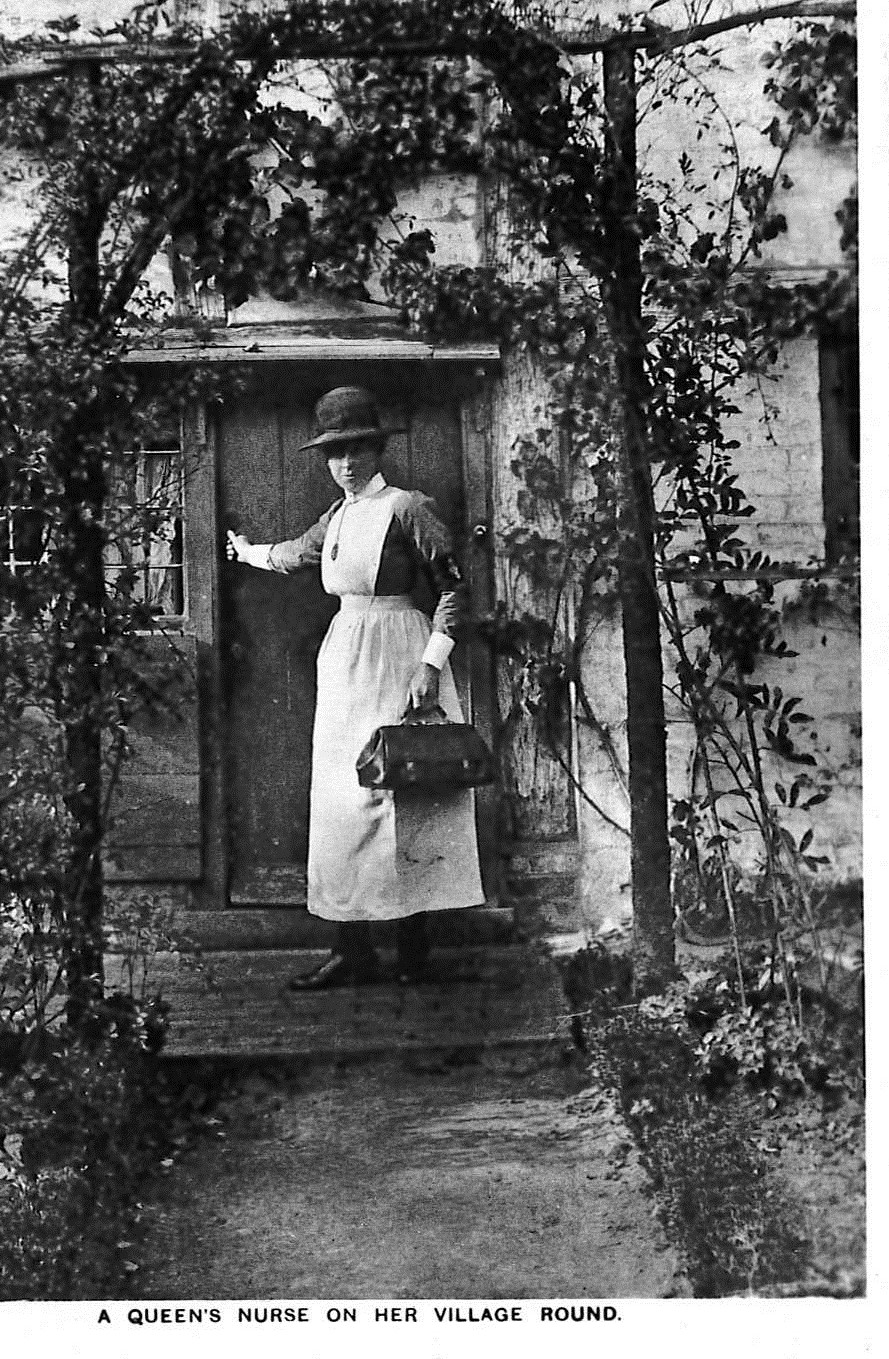
Elsie never married, which was unusual for a woman of her background at the time. Instead, she carved out a life of her own through charitable work, becoming a capable and energetic organiser. She was particularly committed to nursing charities. In her early thirties, she became an Honorary Secretary for the Sussex Red Cross and the Queen’s Nurses in Brighton, and later joined the Council of the Queen’s Institute of District Nursing.

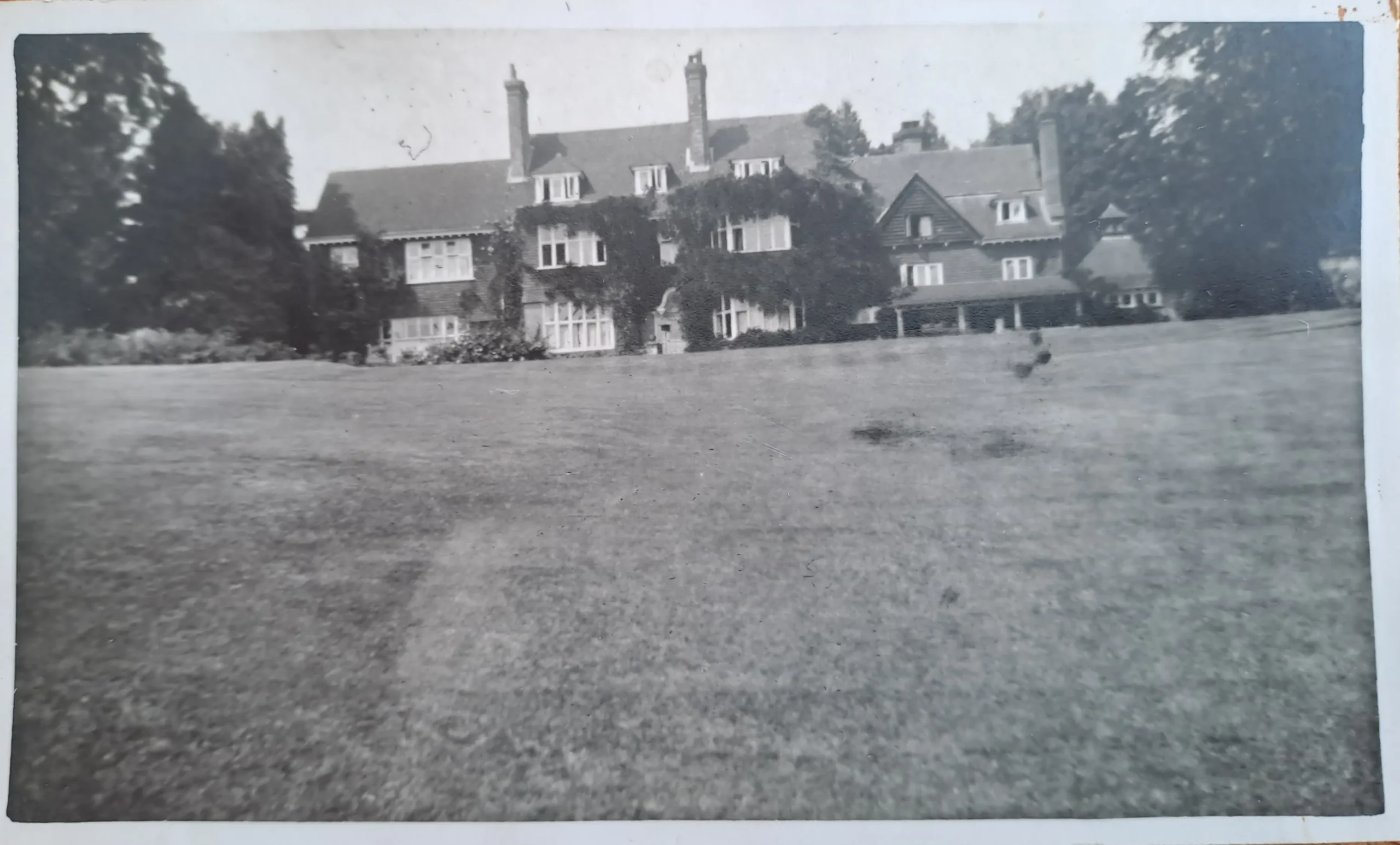
At forty-three, Elsie inherited enough from her parents to become independently wealthy. She moved to The Hermitage, a large house on the outskirts of East Grinstead, where she got to know some of the best-known gardeners of the Sussex High Weald, including Gerald Loder, Leonard Messel and Colonel Stephenson Clark, and their families.
A garden of her own

Elsie’s interest in gardens may have begun at the extraordinary riverside home of her uncle, Edward Wagg.

The Islet, at Cliveden Reach, covered sixty acres and included lakes, fountains, conservatories, a Japanese garden and an impressive collection of plants. Edward and his head gardener regularly exhibited flowers at horticultural shows, winning prizes for their displays. It must have been quite an introduction to the possibilities of gardening.

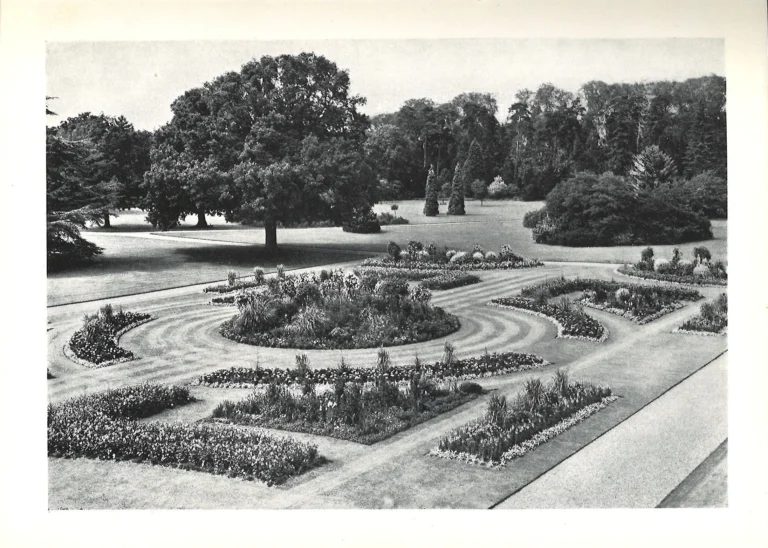
Her own ten-acre garden at The Hermitage was well established, with sweeping lawns, shady walks, a rose garden and a walled kitchen garden. Chris Freemantle, whose father Albert worked there as a gardener from 1934 to 1943, remembered two ornamental ponds linked by a small waterfall, a formal Dutch garden with symmetrical beds and pergolas covered in climbing roses and a huge wisteria that spread across the back of the house.

Elsie employed a team of about five gardeners to look after the grounds rather than doing the digging herself, but she certainly took an interest in their work. Sometimes she would give Albert different jobs from those assigned by the head gardener. He would arrive home complaining that she had been “interfering again”! It is a lovely glimpse of Elsie’s hands-on approach to her garden.

A bright idea that blossomed

Gardening was only one of Elsie’s passions. For many years, she had worked tirelessly for the Queen’s Institute of District Nursing.

When Queen Alexandra died in 1925, a national memorial appeal was launched to raise funds for district nursing. Elsie saw an opportunity to bring her interests together. In a letter dated 7 October 1926, she suggested opening private gardens to visitors for an entrance fee of one shilling, with the proceeds going to the appeal. She pointed to Leonardslee, the celebrated Sussex garden, as an example.
The idea took off. In 1927, 609 gardens opened across England and Wales, raising £8,191. The scheme became permanent the following year and eventually took the name we know today: the National Garden Scheme.

From 1928, Elsie played an active role on the Gardens Committee, helping to organise the scheme across England and Wales. She also took on the job of recruiting new gardens as County Organiser for East Sussex. Meanwhile, she opened her own garden, The Hermitage, to visitors every year from 1929 until her death in 1949. In 1934, her contribution to creating and organising the garden scheme was recognised with the award of an MBE.

During the Second World War, part of The Hermitage’s lawn was dug up to grow vegetables, with a land girl helping with food production. After Elsie’s death, her brother Alfred continued to open the garden until 1969. The house was demolished in 1972, but some of its trees were protected and survive today.

Elsie’s garden may be gone, but her legacy lives on. Every year, thousands of garden owners open their gates to raise money for nursing and health charities. It is a remarkable achievement for a woman who saw how something she loved could make a real difference to others. And it all began in her own garden.

For gardens to visit today, go to ngs.org.uk.

About the author
Clare Waters completed an MA on the origins of the National Garden Scheme in 1927 and is now researching its history for a PhD at the University of Buckingham.

People

In the late 17th century, Mary Somerset, Duchess of Beaufort, described gardening as her “innocent diversion”, yet this apparently genteel pastime became an ambitious enterprise of cultivation, collecting and botanical investigation.

Topics

In 1927, something rather unusual was happening in gardens across England and Wales. Private gardens, normally hidden behind gates and walls, were opening their doors to the public – all in aid of nursing charities.

People

Without any previous experience of gardening, Margery Fish made one of the most celebrated informal gardens of the mid-20th century and used her writing skills to share what she had learnt in the process

Places

When she created East Lambrook Manor Garden, from a farmyard and a rubbish heap, Marjorie Fish developed a new cottage garden style that had a huge influence on garden owners of the time and is still relevant today

Places

The Edwardian gardens at Upton Grey Manor House in Hampshire display the talent and artistry of the garden designer Gertrude Jekyll and remain a delight to wander round and explore

People

After her career as a World War II codebreaker, Mavis went on to be at the forefront of the movement to protect historic designed landscapes, helping to ensure the survival of many important gardens for the future.