Search

East Lambrook Manor Gardens

An extraordinary garden in Somerset created by an equally extraordinary gardener, Margery Fish

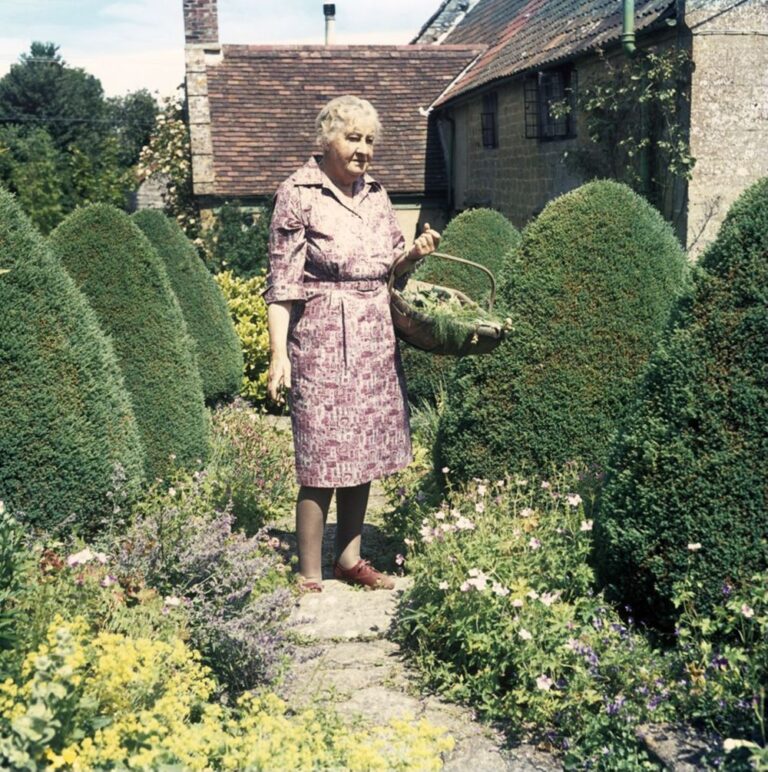
When she created East Lambrook Manor Garden, from a farmyard and a rubbish heap, Marjorie Fish developed a new cottage garden style that had a huge influence on garden owners of the time and is still relevant today

In the Beginning

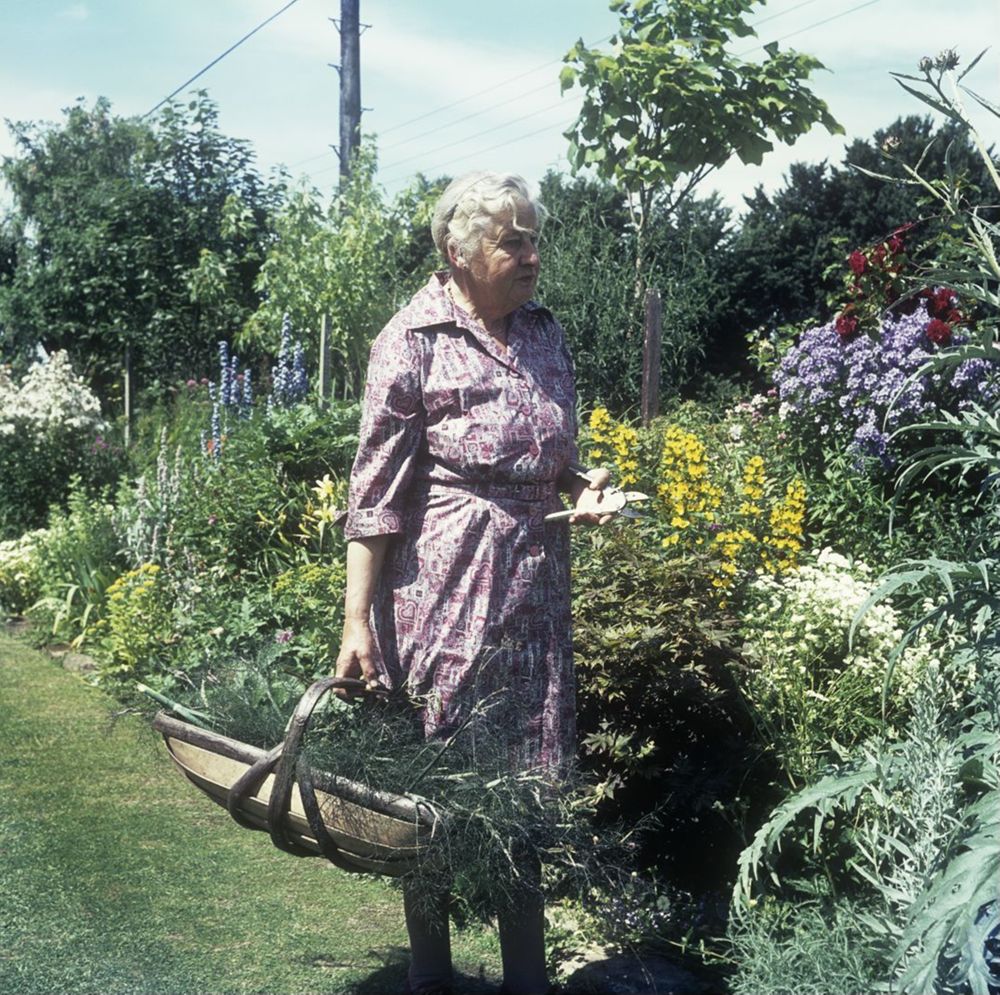
Born in 1892 Margery had a career working for Associated Newspapers. In 1933 she married Walter Fish, who had retired as editor of the Daily Mail three years previously.

When Mrs. Fish, who had no previous experience of gardening, and Walter bought the crumbling East Lambrook Manor in 1937, the garden was small and neglected. The addition of some outbuildings, a barton and an orchard bought from a neighbouring chicken farmer increased the site to about two acres.

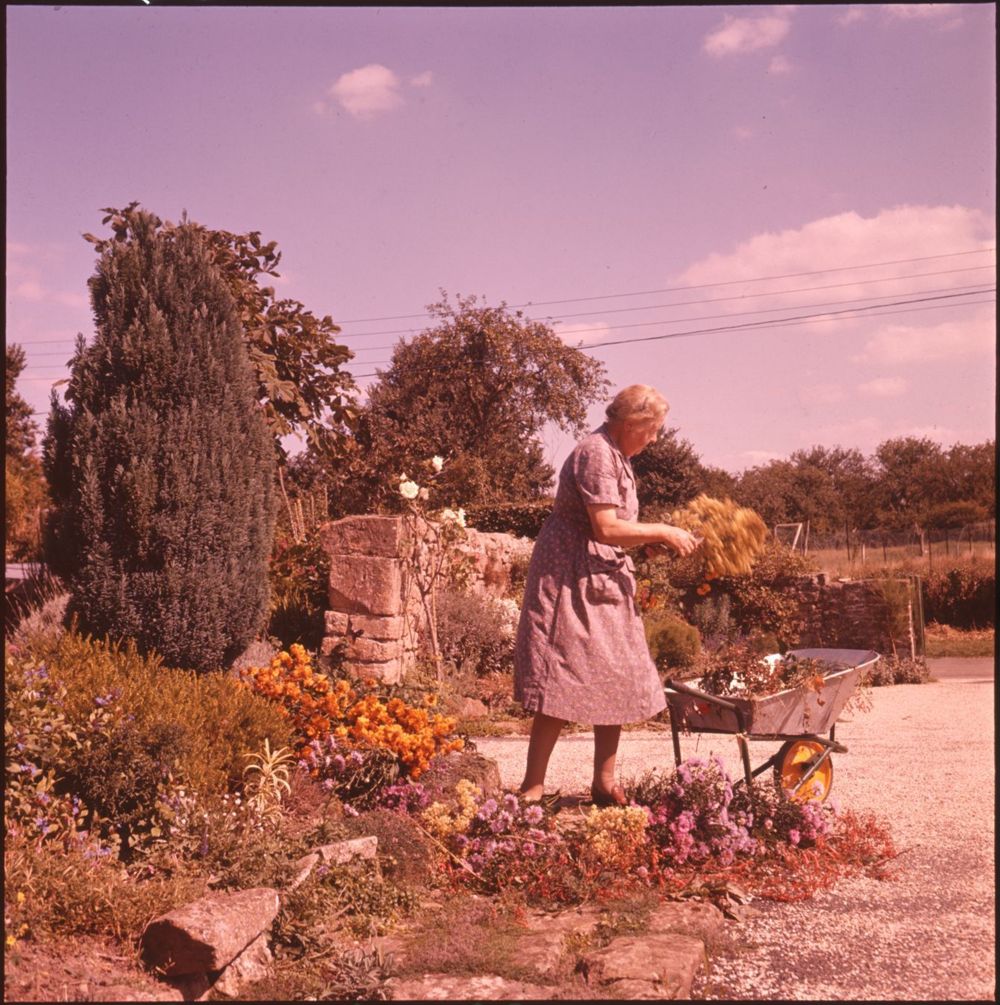
Having made the house habitable, work started on the structure of the garden. Brambles, laurels, elders and the rubbish were cleared. A large expanse of lawn and a drive were created and gravel and crazy paving paths laid. Mrs. Fish used stones that had been found in the garden to build two rockeries, several dry stone walls and create terraces, doing much of the work herself.
Planting the Garden

Mrs. Fish now discovered that she and Walter had different ideas about what the terrace garden should look like. He wanted a formal show piece for traditional summer flowering plants such as pole roses, dahlias, delphiniums and lupins, whereas she wanted year round colour and interest from low growing plants to give a tapestry effect.

While Walter was alive her chosen plants had to work round Walter’s but that changed after his death in 1947.

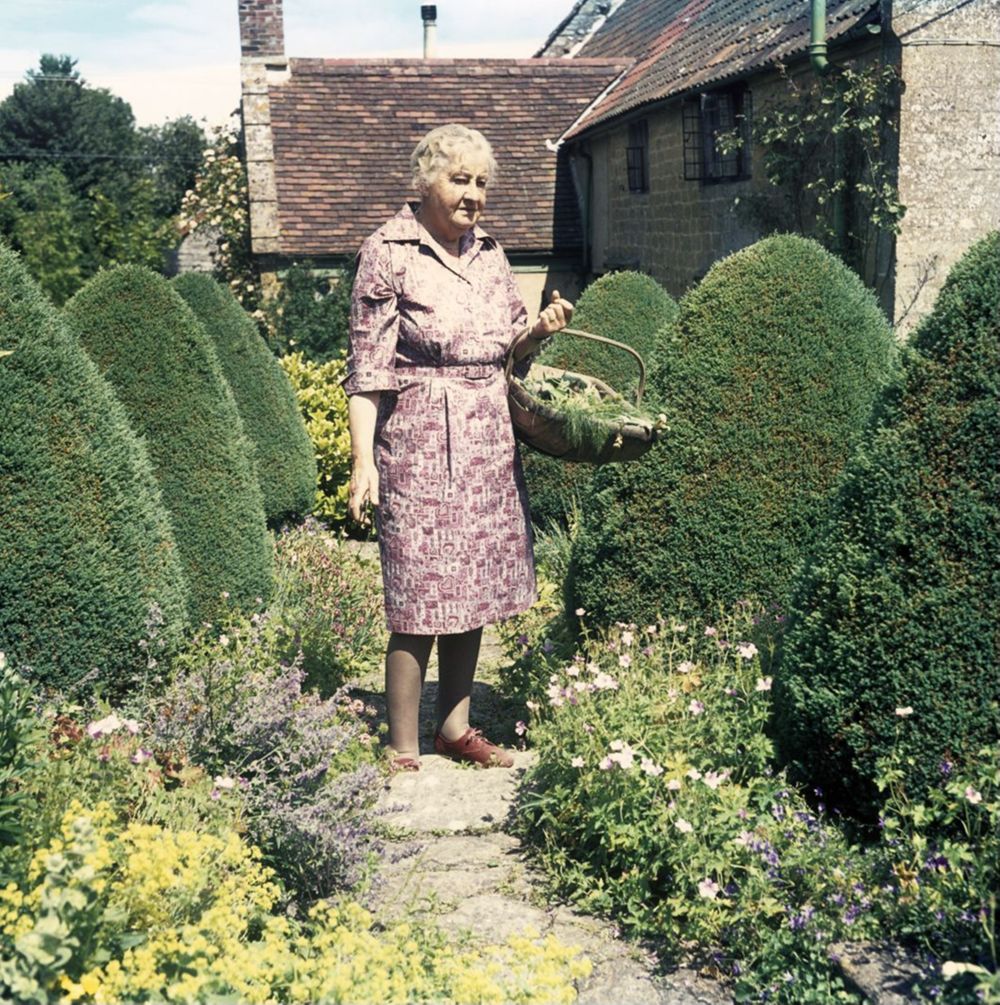
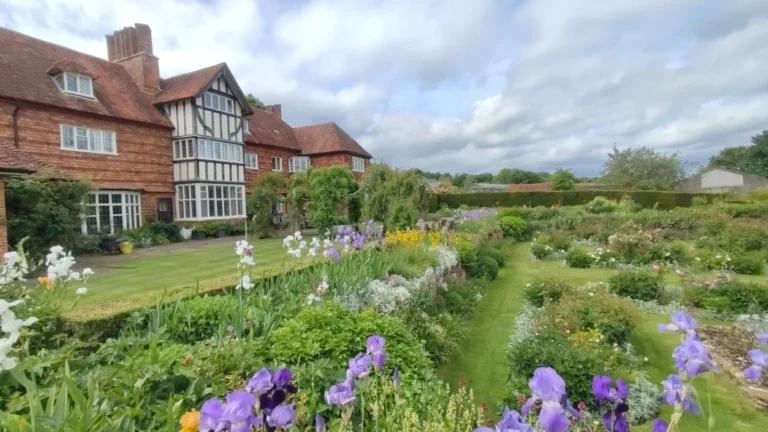
The garden then developed into the modern and influential cottage garden it was to become. Winding paths surround and cross themed areas. Next to the Terrace Garden is a Silver Garden with plants that enjoy the south facing slope, and a White Garden. In contrast, The Lido, a steep rocky declivity, contains shade and moisture loving plants. The Ditch was originally planted as a damp area but is now filled with dozens of varieties of snowdrops including the varieties ‘Margery Fish’ and ‘Walter Fish’. Another area contains specimen trees underplanted with shade loving plants. Other areas include a Green Garden and a small orchard with heritage cider apple trees.

Mrs. Fish was a keen plantsperson and sought out many old and unusual specimens, often obtaining them from other great gardeners and plantspeople of the day. She opened a small nursery to sell some of these which she propagated herself.

A Lasting Legacy

So what happened to this wonderful garden after Mrs. Fish died at the age of 76 in March 1969?

Like all gardens, it has matured and evolved over the years. Trees have grown altering shade patterns and vistas and plants die and are replaced. Subsequent owners too have made changes. However many of the plants Mrs. Fish chose are still grown today and the layout is still largely how she left it. The current owners (since May 2025) have renovated the Green Garden and reinstated a sunny perennial border. The garden was listed as Grade 1 in 1992, meaning it is of international importance.

Mrs. Fish not only created an inspirational garden, she wrote about it in her first book We Made a Garden (1956) and in numerous magazine articles and in so doing changed the way people gardened. Many cottage style gardens pre-war were labour intensive and in the post-war period people wanted gardens they could look after themselves, without paid help. Advice was often to use ground covering plants such as geraniums and heathers with dwarf conifers and a few shrubs and perhaps a small cherry tree to add height. Mrs. Fish showed that an informal layout of beds and the use of less rigid plants that spread between paving, tumbled over walls and were allowed to grow more or less how and where they pleased, could also be low maintenance while providing colour and interest that changed with the seasons.

East Lambrook Manor Gardens

Places

Eleonora Tonon takes us on a tour of Cecil Pinsent’s famous 20th Century gardens in Tuscany, from their inspiration to their creation.

People

Cecil Pinsent trained in London before settling in Florence, where he created symmetrical, geometrically ordered Tuscan gardens for the vibrant local Anglo-American expatriate community.

Styles / Topics

English gardens have been deeply intertwined with Italian design since Roman antiquity, evolving through Tudor symmetry, classical 18th-century revivalism, and Victorian geometric formalism.