Search

Mary Somerset and the Cultivation of Botanical Knowledge

The gardener who grew the world

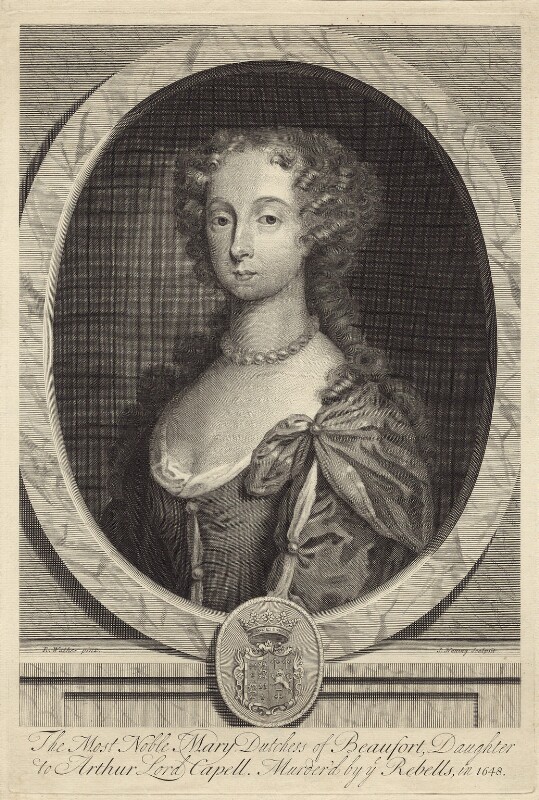
In the late 17th century, Mary Somerset, Duchess of Beaufort, described gardening as her “innocent diversion”, yet this apparently genteel pastime became an ambitious enterprise of cultivation, collecting and botanical investigation.

Collector and Cultivator

Born in 1630, Somerset developed a remarkable collection of plants at a time when European interest in the natural world was expanding rapidly.

Seeds and living plants arrived from distant regions, including the West Indies, Africa, India, Sri Lanka, China and Japan. These were not simply curiosities to be admired. They needed to be grown, propagated and observed, often requiring considerable horticultural skill to survive in unfamiliar conditions.

Somerset worked with a network of gardeners and botanists, including George London and Leonard Plukenet, while corresponding with leading naturalists of her day. Among them were John Ray, Hans Sloane and James Petiver. Her gardens became places where practical cultivation and botanical enquiry met; growing plants offered opportunities to observe their characteristics, assess their needs and contribute to contemporary knowledge of the natural world.
Herbarium and Florilegium

Her work extended beyond the living garden and Somerset compiled a herbarium of dried plant specimens, preserved in twelve volumes, which she bequeathed to Hans Sloane.

She also commissioned a remarkable two-volume florilegium, produced between 1703 and 1705, documenting many of the plants grown at Badminton through botanical paintings associated with the artists Everhard Kick and Daniel Frankcom. Together, these collections recorded the diversity of her plants and preserved evidence of her horticultural achievements.

A female scientist in the 17th century

Somerset's story also raises questions about whose work has traditionally counted as scientific.

Women in the seventeenth century faced significant barriers to participation in formal scientific institutions. Much of their knowledge was developed and shared through domestic settings, correspondence, collecting and practical work rather than through public institutions. Somerset’s achievements demonstrate why gardening should not be separated too neatly from the history of botanical science.

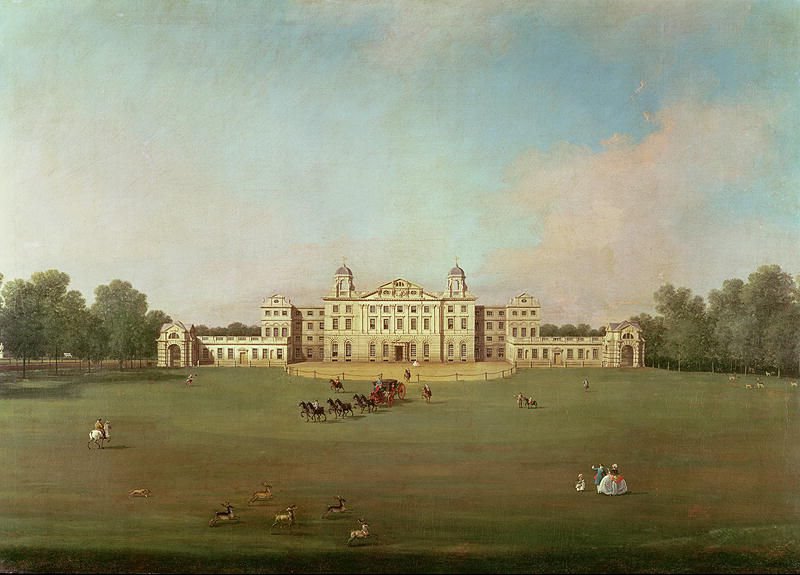
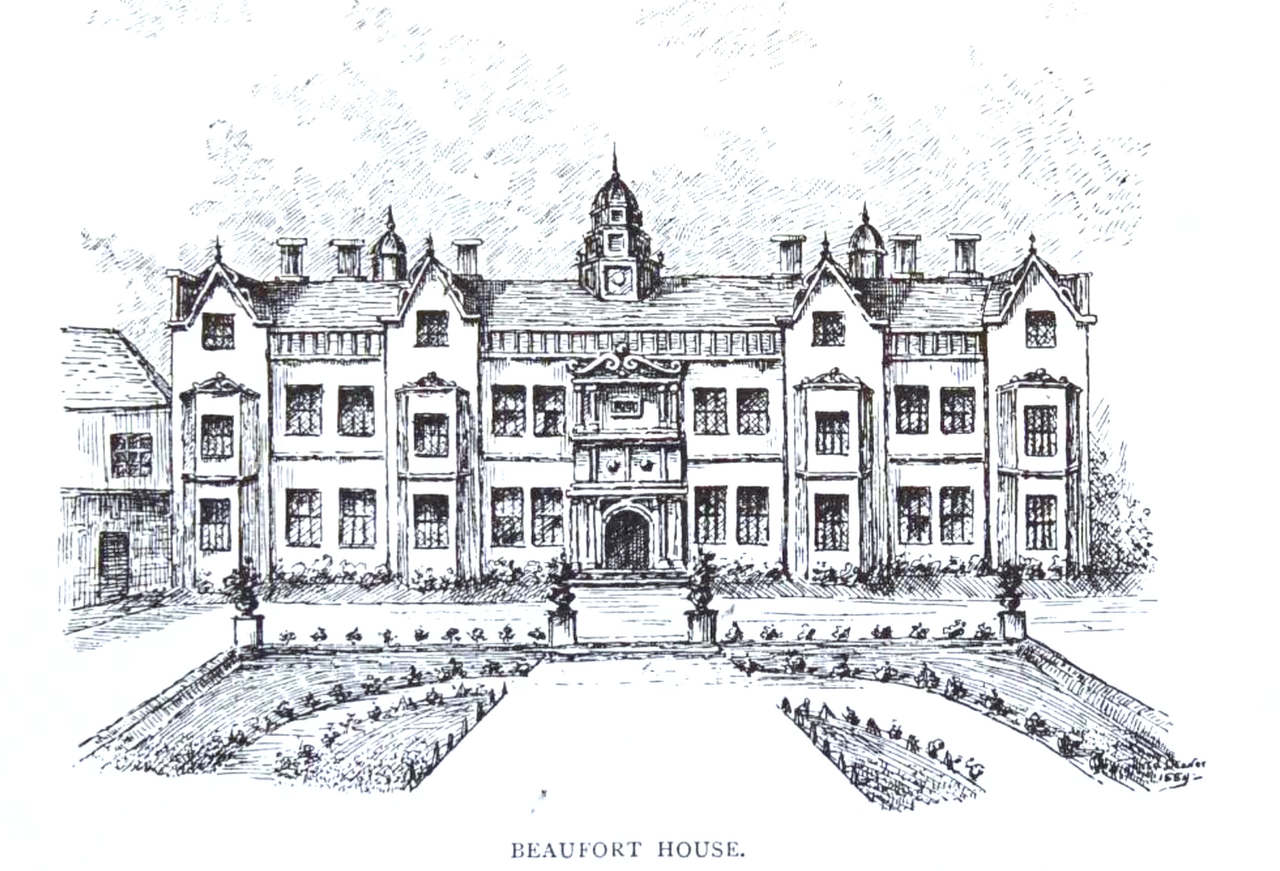
Her description of gardening as an “innocent diversion” may sound modest, but the scale and influence of her activities suggest something considerably more ambitious. At Badminton and Beaufort House, cultivation was not merely a pastime: it was a means of investigating, documenting and preserving a changing botanical world.

Mary Somerset deserves to be remembered not simply as an aristocratic plant collector, but as a skilled gardener whose living collections and careful records helped contribute to the botanical knowledge of her age.

People

The Hermitage was Elsie Wagg’s much-loved Sussex home, but her garden inspired something much bigger. In 1926, she came up with an idea that would open hundreds of gardens across England and Wales

Topics

In 1927, something rather unusual was happening in gardens across England and Wales. Private gardens, normally hidden behind gates and walls, were opening their doors to the public – all in aid of nursing charities.

People

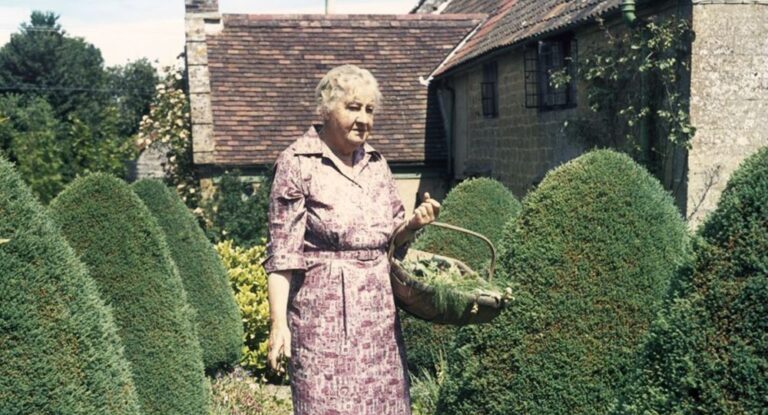
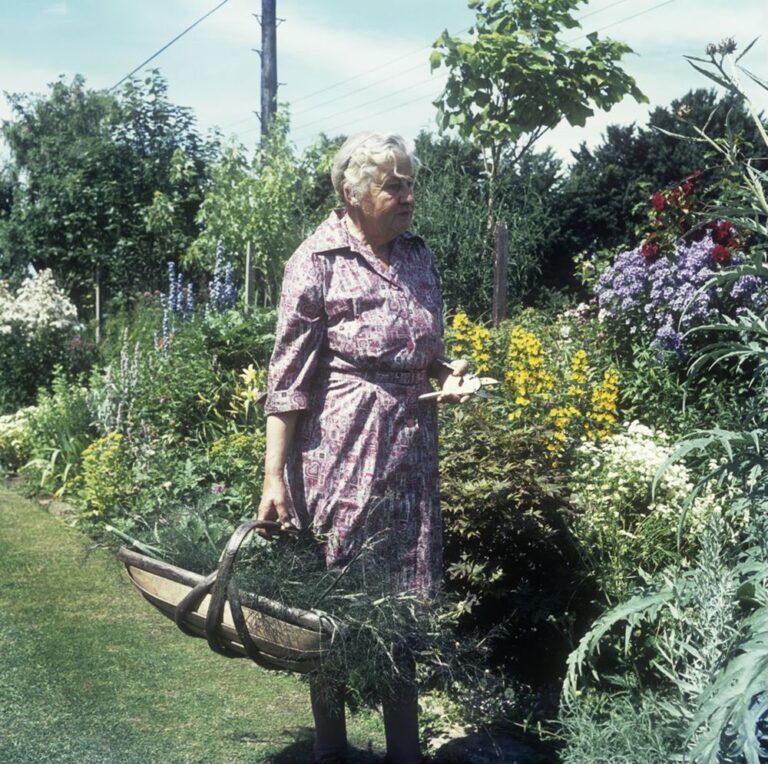
Without any previous experience of gardening, Margery Fish made one of the most celebrated informal gardens of the mid-20th century and used her writing skills to share what she had learnt in the process

Places

When she created East Lambrook Manor Garden, from a farmyard and a rubbish heap, Marjorie Fish developed a new cottage garden style that had a huge influence on garden owners of the time and is still relevant today

Places

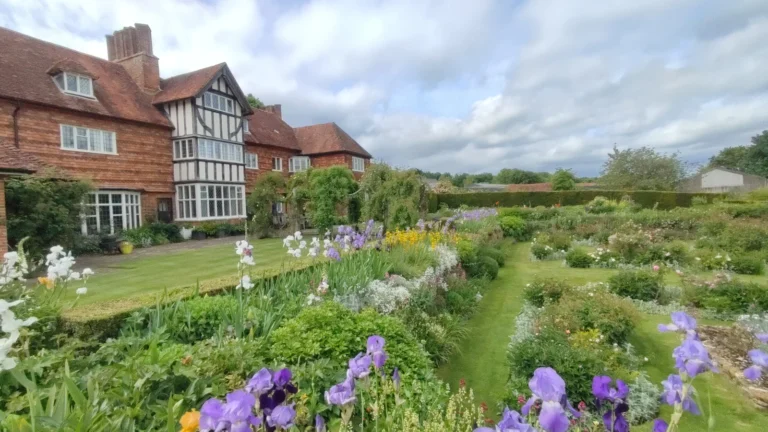
The Edwardian gardens at Upton Grey Manor House in Hampshire display the talent and artistry of the garden designer Gertrude Jekyll and remain a delight to wander round and explore

People / Topics

Beyond the celebrated designers and grand estates are the gardeners whose daily work shaped the landscapes we continue to admire