Search

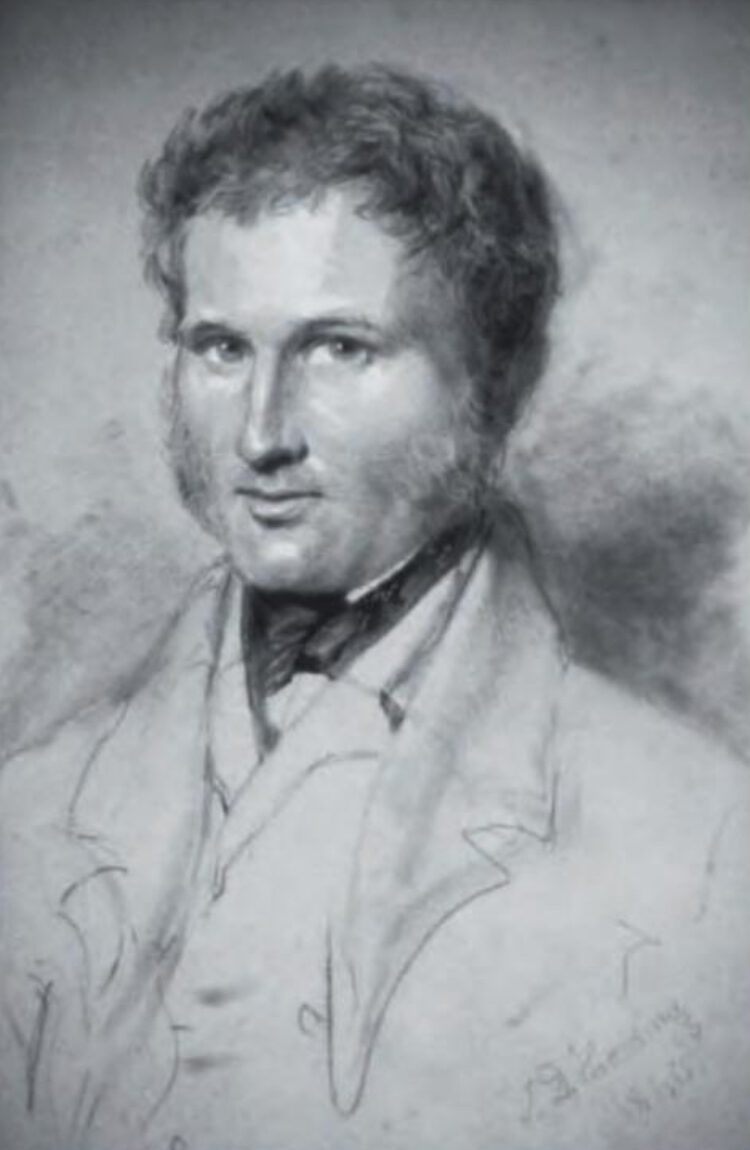
William Andrews Nesfield

One of the 19th century’s most popular landscape designers, with some 250 commissions to his name.

In 1840 the gardening journalist John Claudius Loudon praised his painterly landscape designs as so successful ‘that his opinion is now sought out by gentlemen of taste in every part of the country’.

Style and major commissions

A soldier and watercolourist before he became a landscape architect (and the first to use that term to describe his work), Nesfield’s style was typified by ornate, Italianate parterres, grand fountains and intricate statuary near the house, with more naturalistic layouts, carriage drives and carefully planned vistas in the wider landscape.

His most significant designs include:

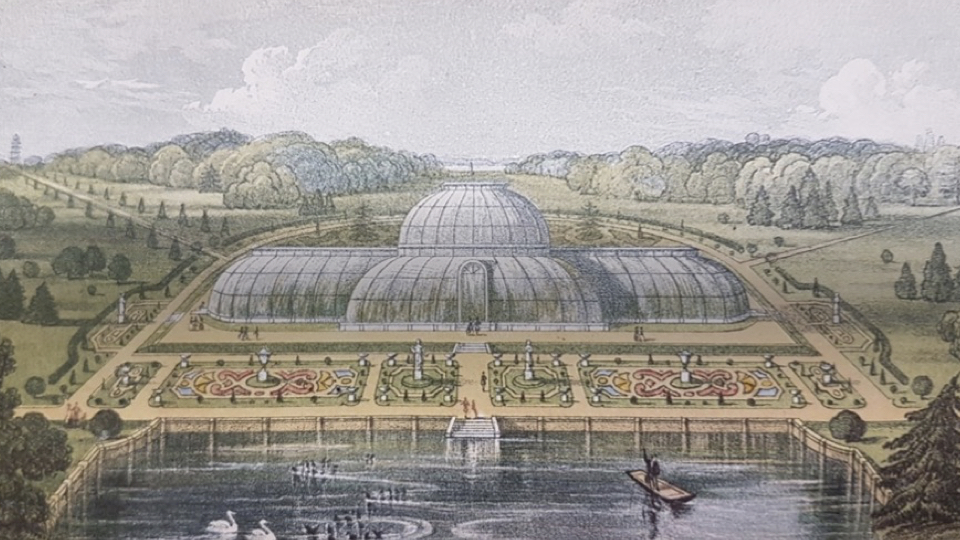
  • Royal Botanic Gardens, Kew (from 1844). Palm house gardens and arboretum for director William Jackson Hooker. Parts of Nesfield’s designs survive.
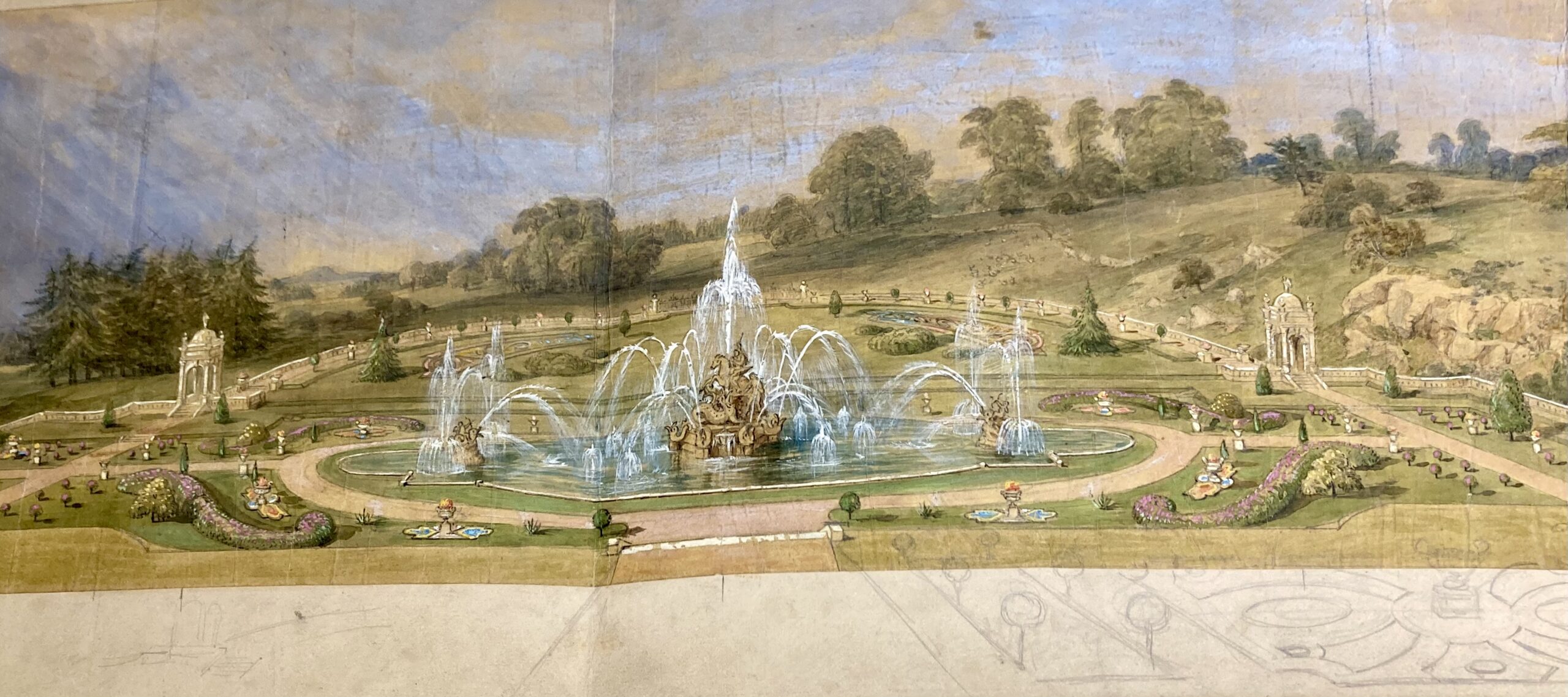
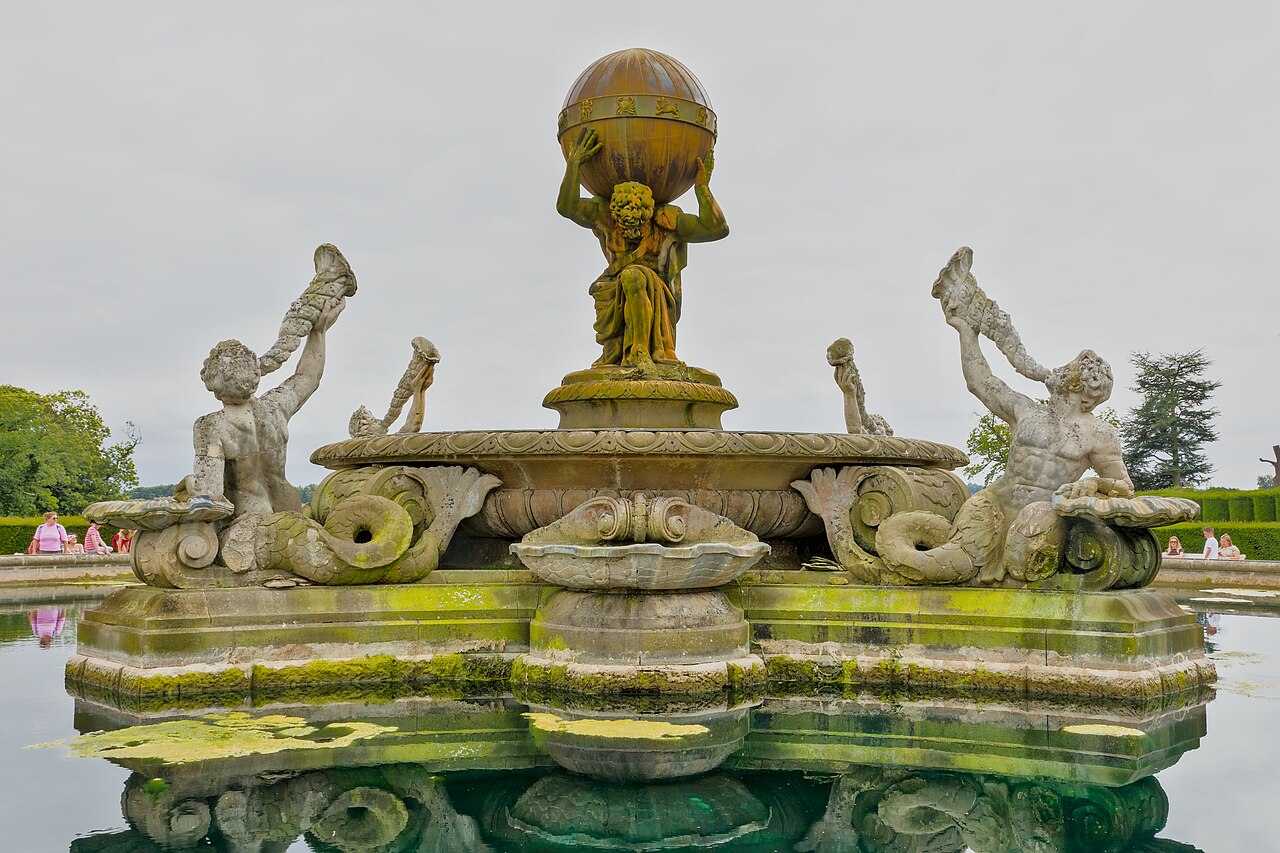
  • Castle Howard, Yorkshire (1850). A grand parterre and huge Atlas fountain to the south of the mansion for Lord Carlisle. The fountain remains in place.
  • Witley Court, Worcestershire (1850s). Splendidly ostentatious private gardens created for William Ward, later Earl of Dudley. Restored and opened to the public by English Heritage.
  • Horticultural Society, Kensington Gore (1860). Terraced show gardens for what became the Royal Horticultural Society, within the Albertopolis cultural quarter in London. The society vacated the site in 1888 and the gardens were lost.
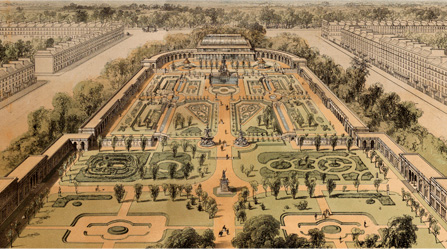
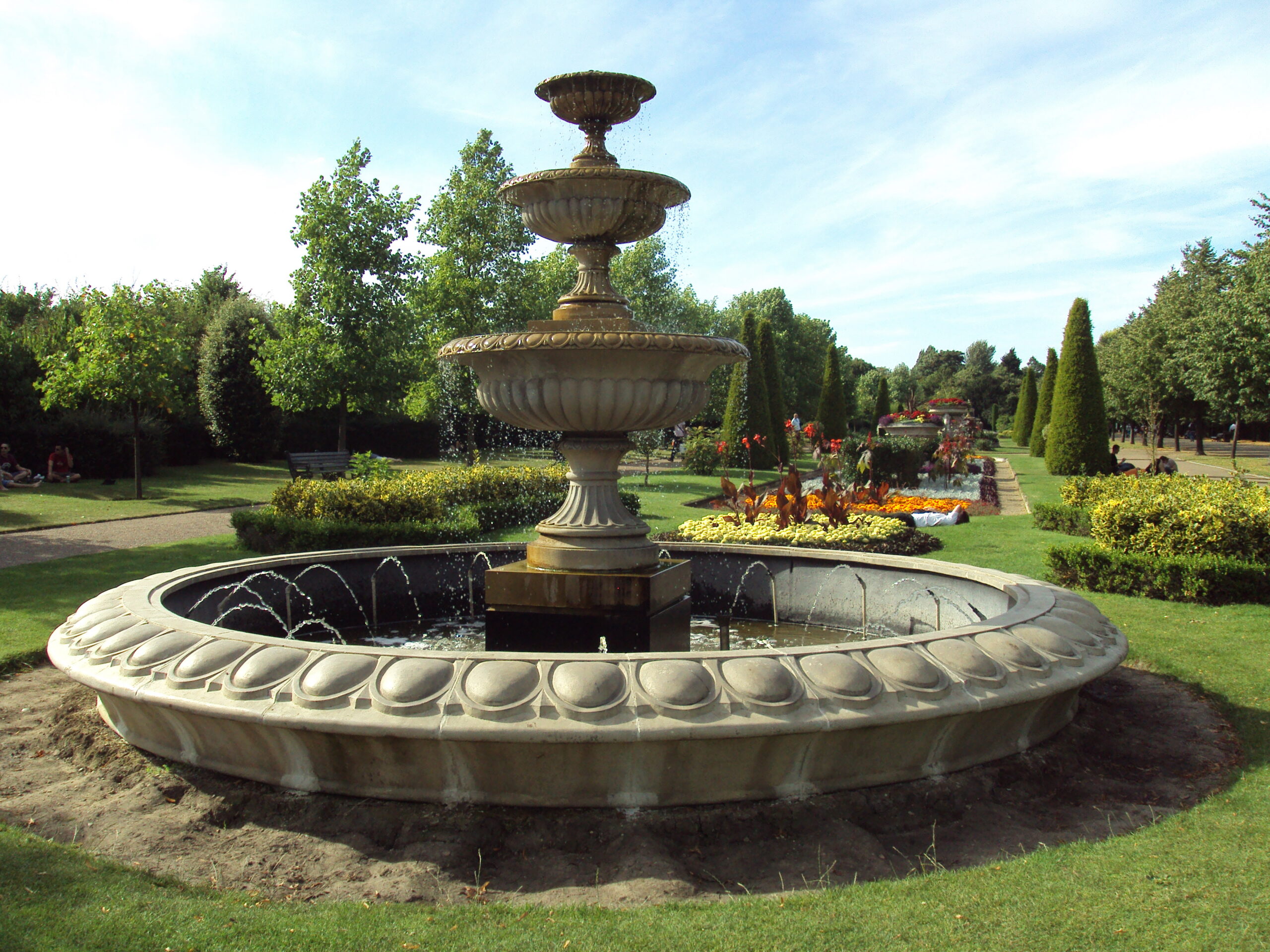
  • Avenue Gardens, Regent’s Park (1860s). Public gardens in central London for the Commissioner of Woods and Forests, maintained today by the Royal Parks.
A reputation reassessed

Nesfield’s reputation fell away during his lifetime, and he was condemned by wild gardener William Robinson (in an obituary!) for producing gardens of an ‘utterly unsatisfactory character… formal to weariness… artificial for its own sake’ (The Garden, 12 March 1881, p. 296).

A hundred years later, garden history researcher Shirley Rose Evans sought to reclaim Nesfield’s reputation, tracking down his family archive, held by his great-grandson in Australia, and completing a PhD on his work. In 2014 she published the seminal book Masters of their Craft: The Art, Architecture and Garden Design of the Nesfields (Lutterworth Press, 2014), which explores Nesfield’s work alongside that of his sons, architect William Eden and designer Arthur Markham.

Preserving and sharing the archive

In 2024 the Garden Museum acquired the archive from the family and began cataloguing and digitising the contents, which include plans, drawings, planting plans, reports, notes, lists of commissions by county and many fine watercolours.

The Gardens Trust celebrated the acquisition by running a five-part online series on Nesfield, featuring several of his most important commissions, and we continue to work with the museum team to find ways to engage people with Nesfield and his designs.

Adapted from an article in the winter 2025 edition of the GT Magazine.

Related articles by topic :

People

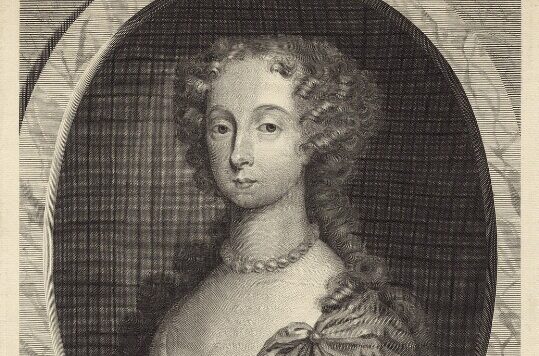
In the late 17th century, Mary Somerset, Duchess of Beaufort, described gardening as her “innocent diversion”, yet this apparently genteel pastime became an ambitious enterprise of cultivation, collecting and botanical investigation.

Places

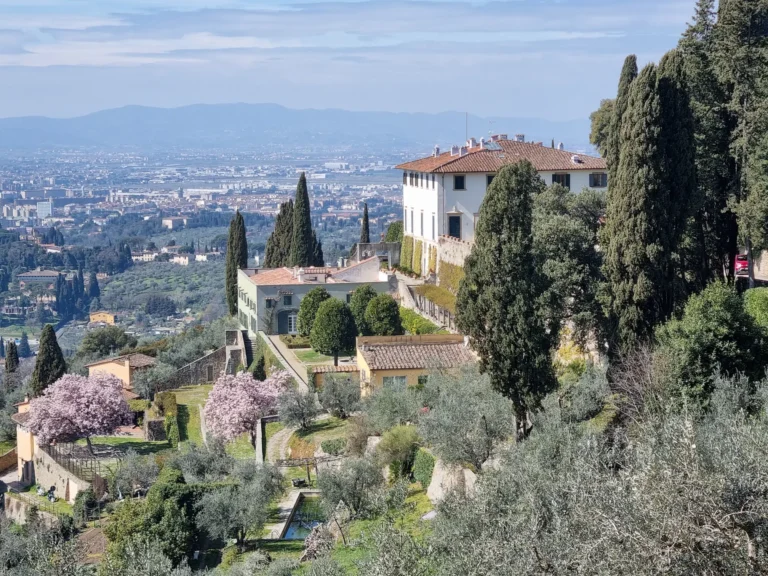
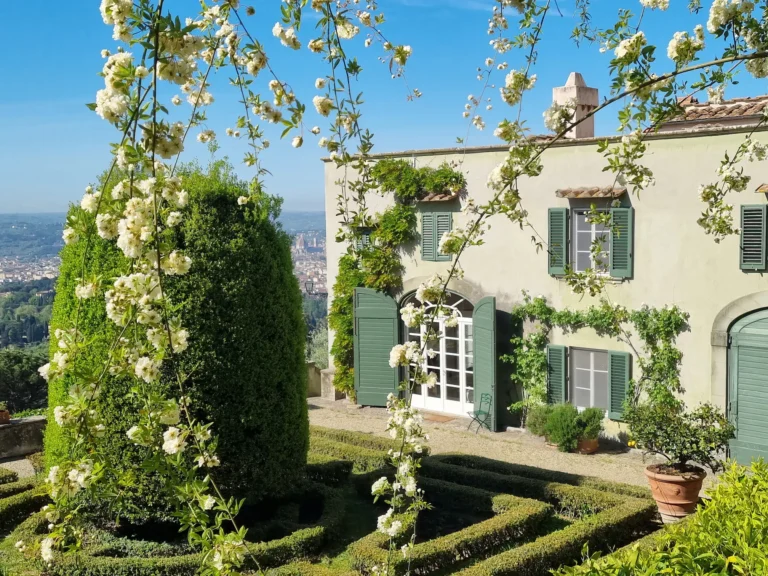
Eleonora Tonon takes us on a tour of Cecil Pinsent’s famous 20th Century gardens in Tuscany, from their inspiration to their creation.

People

Cecil Pinsent trained in London before settling in Florence, where he created symmetrical, geometrically ordered Tuscan gardens for the vibrant local Anglo-American expatriate community.

Topics

A park or garden is more than a single focal point like a fountain, their true charm lies in the full sensory experience of a place including distant views, soothing sounds, and crisp, fresh air.

Topics

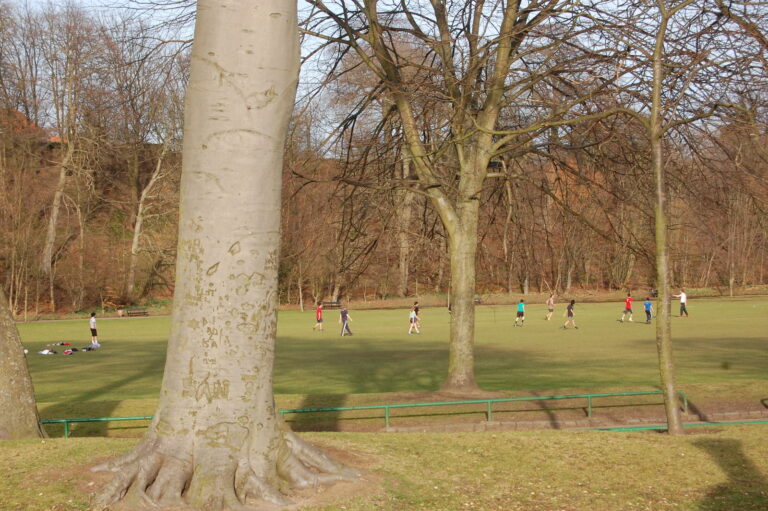
The rise of football in Britain coincided with one of the great social innovations of the nineteenth century – the creation of public parks.

Topics

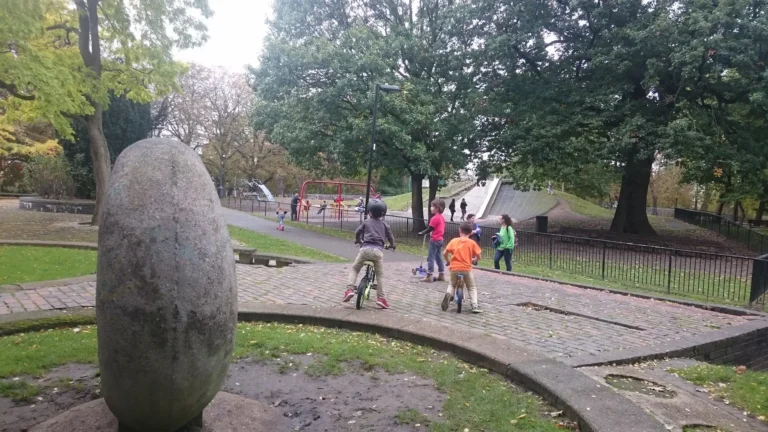
Designed to improve our health and community cohesion, playgrounds began as ‘gymnasia’ for all to use.