Search

Playgrounds: a short history

Helping people lead healthy lives since the 19th Century.

Designed to improve our health and community cohesion, playgrounds began as 'gymnasia' for all to use.

Fresh air and exercise

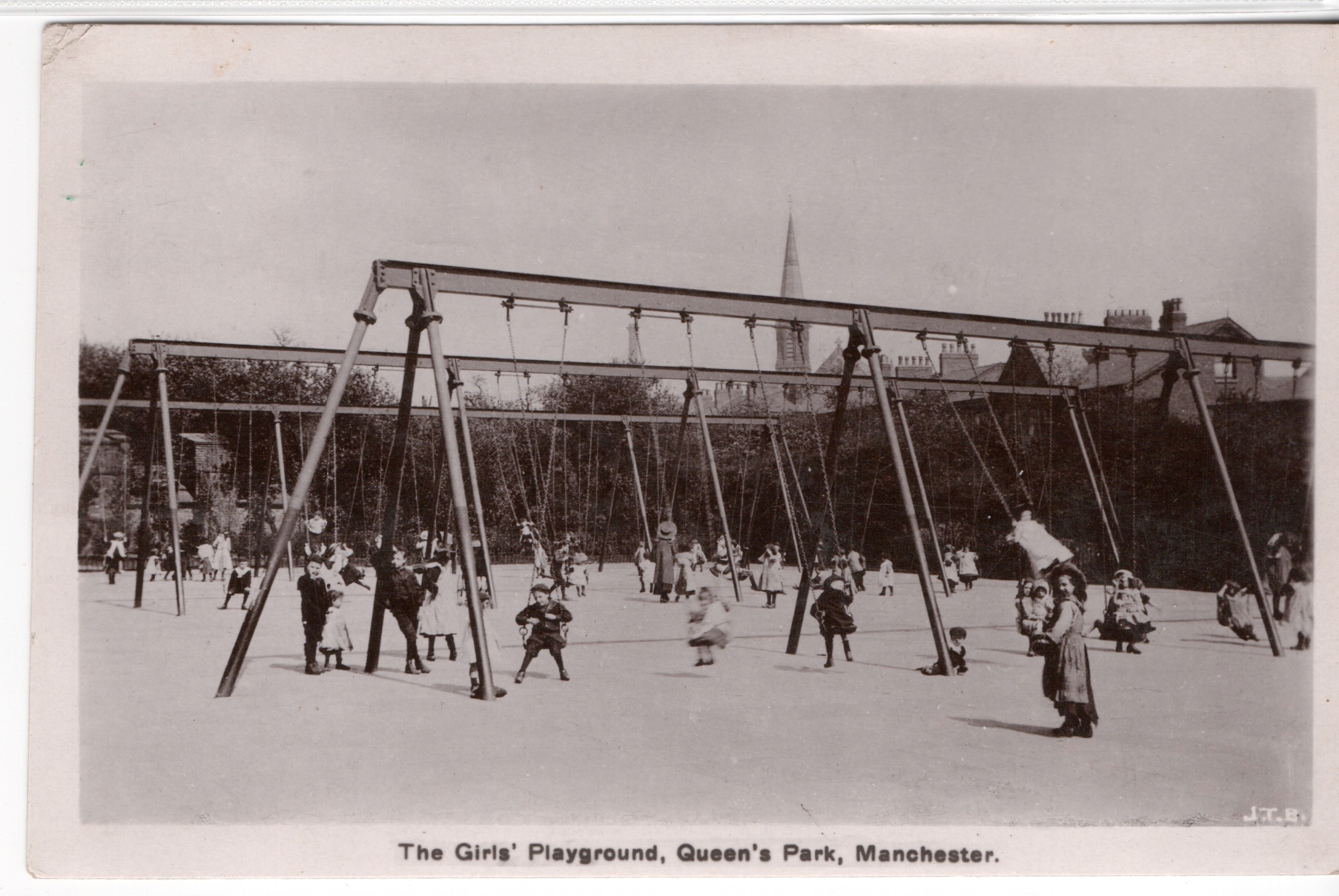
Playgrounds have a vital role in creating healthy lives and cohesive communities and were made for that reason first in the 19th century, with Manchester leading the way.

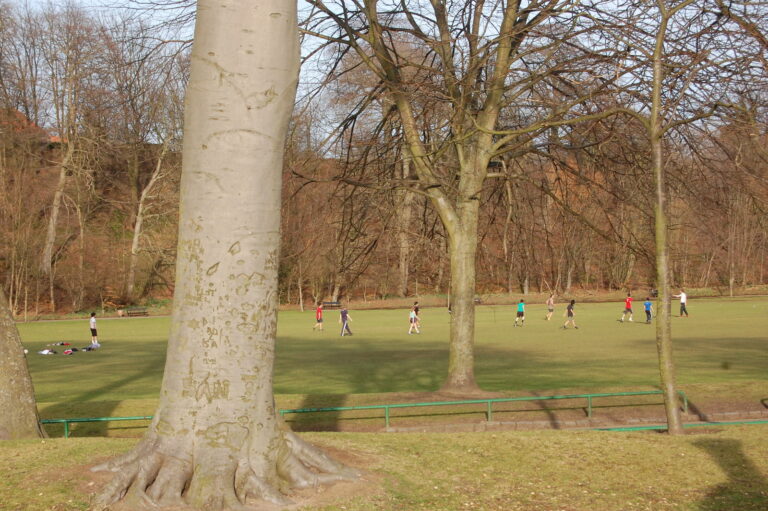
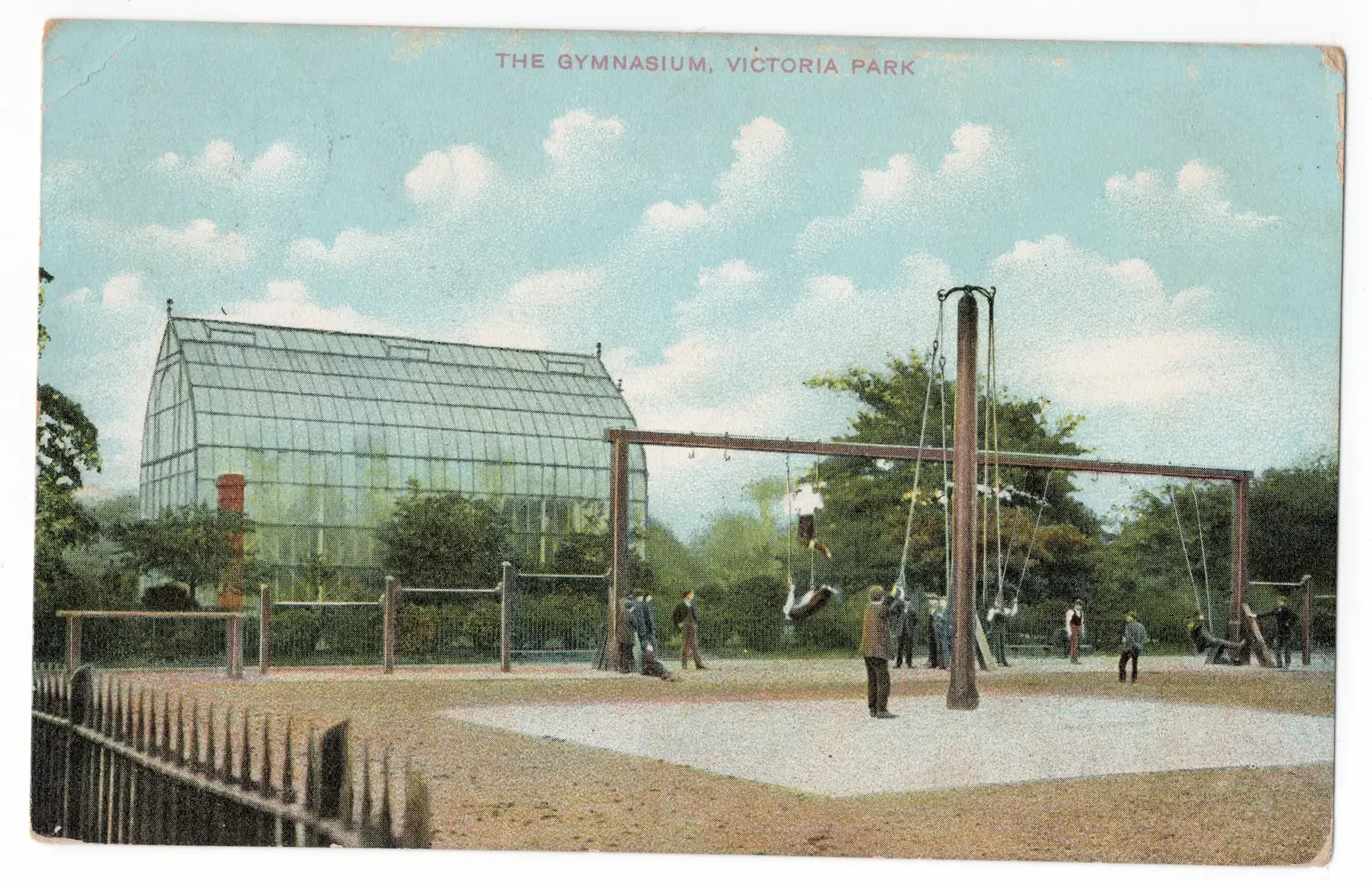
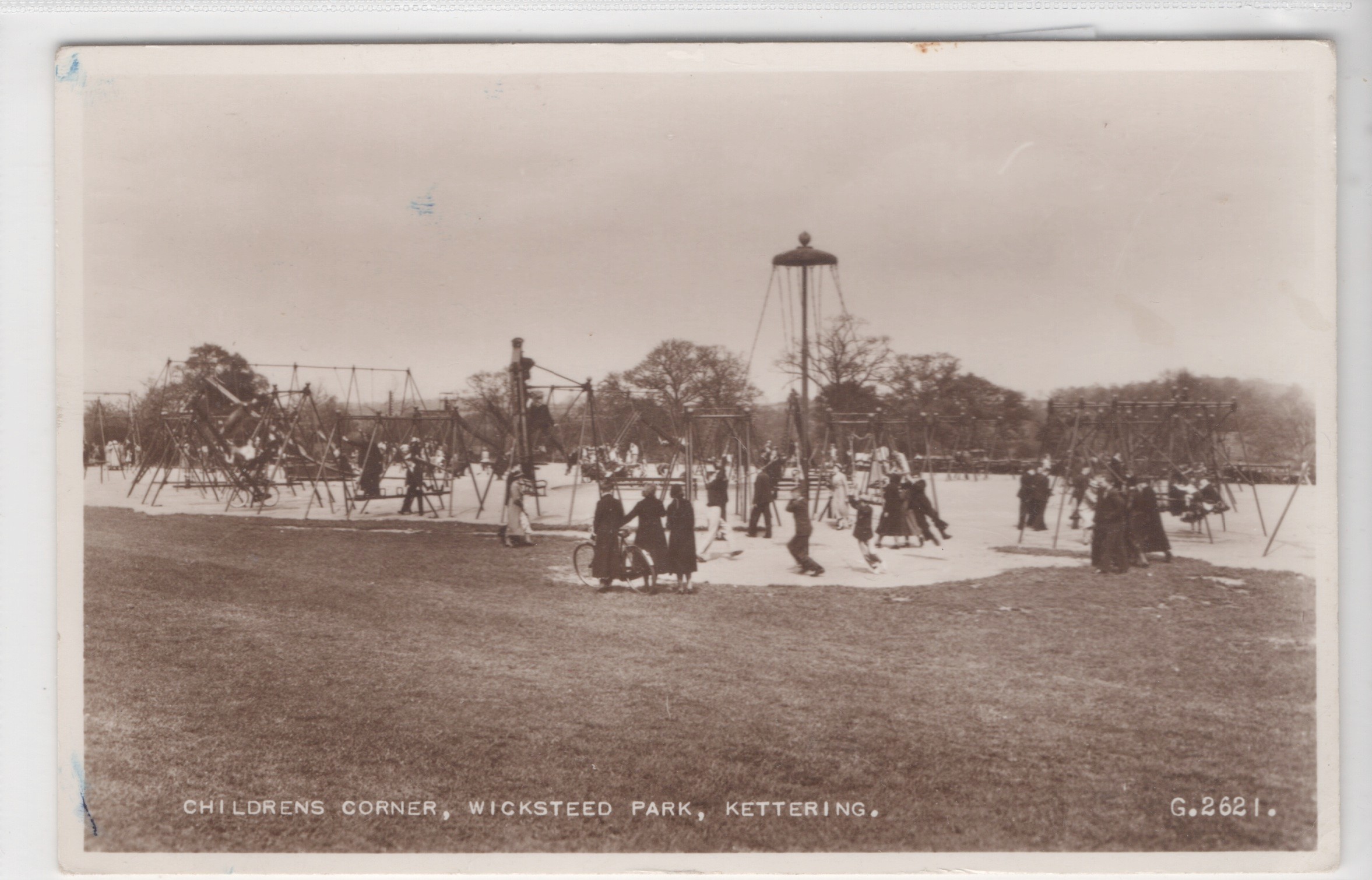
What were called ‘Playgrounds’ began not as a provision for children’s play, but for anyone wanting fresh air and exercise. In those early days, often what was labelled a ‘playground’ was an empty space made available for sports such as football or archery and games such as marbles and skipping. In addition were ‘gymnasia’, which offered large pieces of equipment such as trapeze rings and horizontal bars to allow adults and youths to climb and swing, for exercise rather than play. Giant strides too were popular, a twist on the traditional maypole, but instead of merrily weaving with ribbons, users hung onto ropes to swing exuberantly around a pole.

Charles Wicksteed

By the inter-war period parks had proliferated and took the inclusion of playgrounds for children’s play as a given.

This was the period of the rise of mass-manufactured fixed equipment, which came to dominate. Charles Wicksteed was one of the first playground equipment manufacturers and through the next decades he and his firm promoted children’s outdoor play and equipment, helping ensure that today there is an assumption that parks include playgrounds, and that playgrounds include kit.

Yet there are always valuable alternative approaches to play, and in the post-war period an influential Adventure Play movement grew allowed children the freedom to build their own play with hammers and nails, supported by inspiring play workers.

Simultaneously, a new breed of architect and landscape architect emerged who didn’t simply mark out places for play within the environments they designed, but instead designed the landscape itself to facilitate play, sometimes beyond any playground boundary.

Modern playgrounds

My favourite is the one I grew up in in the 1970s at Alexandra Palace Park (‘Ally Pally’) in North London. This still largely survives and is an archetypal example of the period’s design at its best.

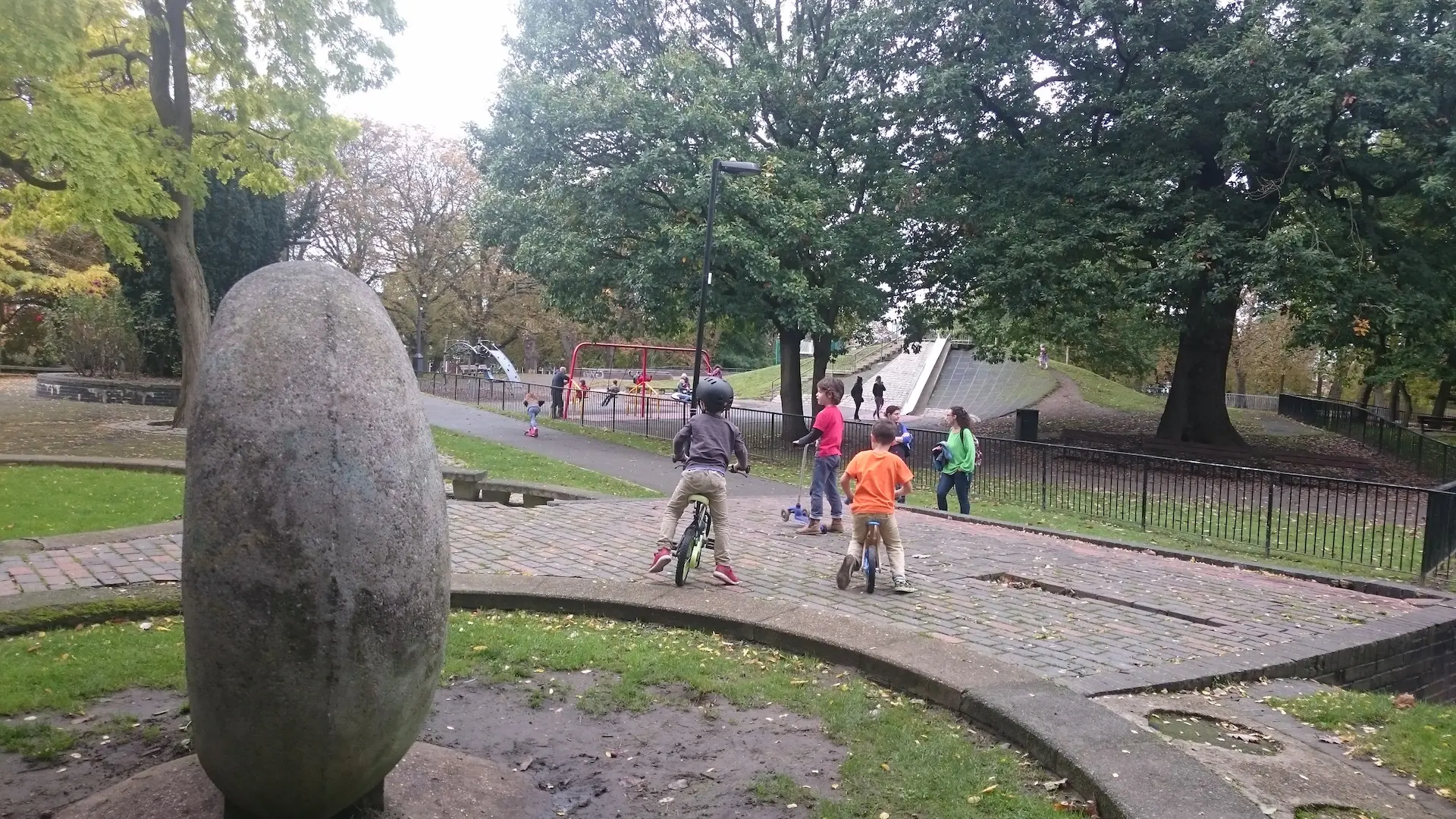
Around the edge are circular brick-edged planting beds weaved through with low concrete benches or, depending on your perspective, raised pathways for adventuring and balancing on. To one side is a locally-iconic concrete doughnut play sculpture over which generations of children have scrambled. Within the main play area, which is spacious, and fenced, there are more low concrete benches or balancing walkways. There is also a circular sandpit, which always teems with small children. Perhaps the star of the show at the Ally Pally playground is a long slide, which runs from top to bottom of an artificial mound, with gentle slopes of muddy grass on three sides, and a near sheer face at the front, down which the slide runs. The ‘large sized hill or mound’ is perhaps the single most defining play feature of that time, coming after a century of playgrounds being notably flat!

In the 1980s playgrounds took a dreadful hit in the budget cuts of Thatcher’s government that took several decades to recover from, but in the early-21st century they enjoyed a resurgence, with a Labour government that invested in public open space and children’s outdoor play. The playgrounds created to mark the 2012 Olympics at the Queen Elizabeth II Park are truly superb, with a string of play moments threads its beautiful way through the whole park, combining equipment with landscape, water with sand, big adventures with gentle moments, physical challenge regardless of ability or disability, and continue to inspire today.

Playgrounds: a short history

Topics

The Inventory is a freely available online resource dedicated to recording and understanding Suffolk’s rich and varied historic gardens, parks and designed landscapes.

People

After her career as a World War II codebreaker, Mavis went on to be at the forefront of the movement to protect historic designed landscapes, helping to ensure the survival of many important gardens for the future.

Places

Horatio’s Garden supports the recovery and wellbeing of people with spinal injuries within NHS healthcare settings