Search

The Importance of Setting

The surroundings of a historic park or garden play an important role in how it is experienced

A park or garden is more than a single focal point like a fountain, their true charm lies in the full sensory experience of a place including distant views, soothing sounds, and crisp, fresh air.

What is meant by ‘setting’?

Setting is the surroundings in which a historic park or garden is experienced and it can include both tangible and abstract elements.

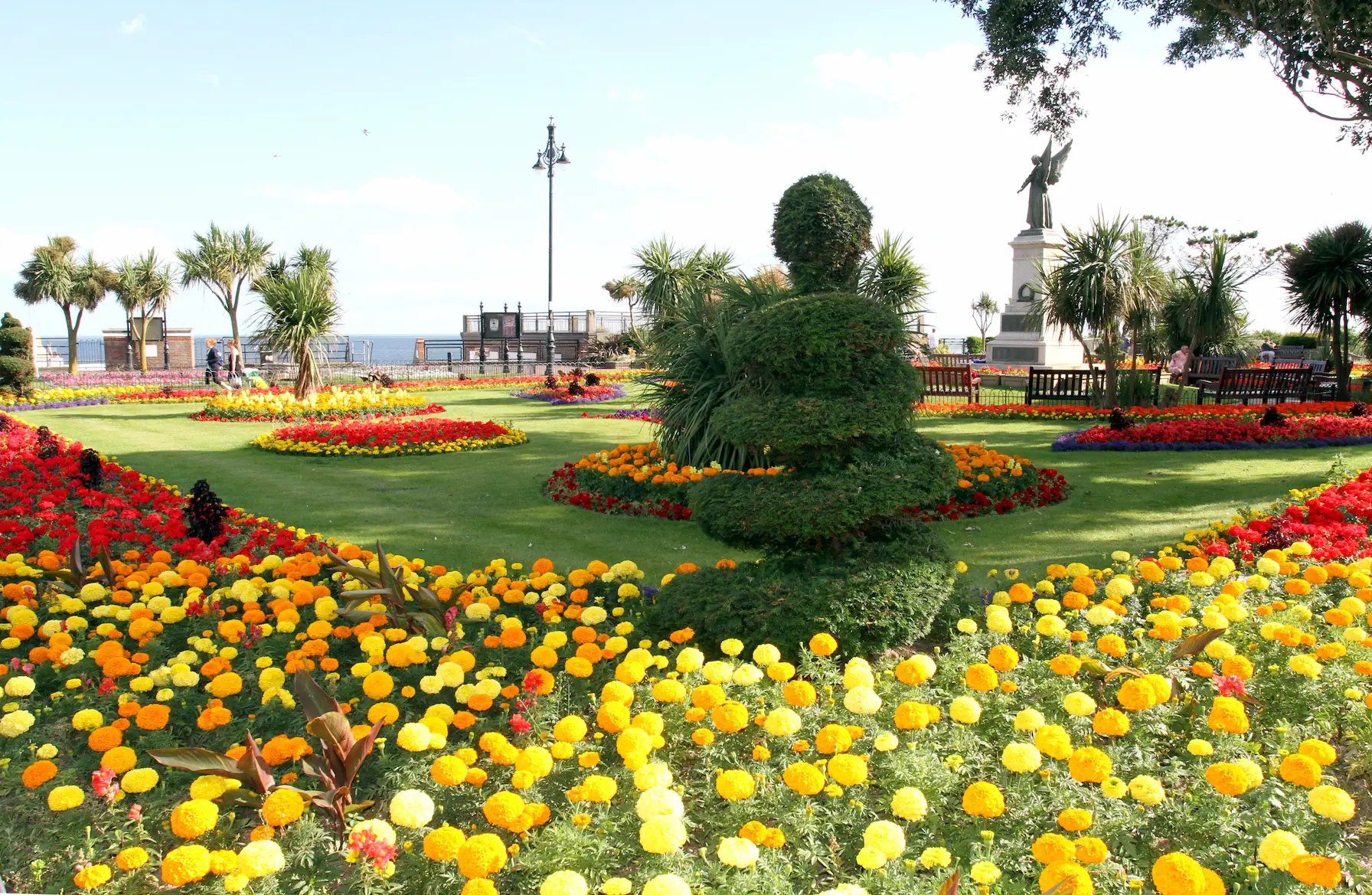
For example, when visiting a park or garden, a lot of the time people are not simply looking at the water fountain in front of them, but are instead enjoying the sound of birds and nature, the views of distant trees and rooftops, and the fresh-smelling air. These things all help make up the setting of the park or garden.

The extent of setting around a park or garden is not fixed and may change as its surroundings evolve. As a result, setting can’t be exactly mapped.
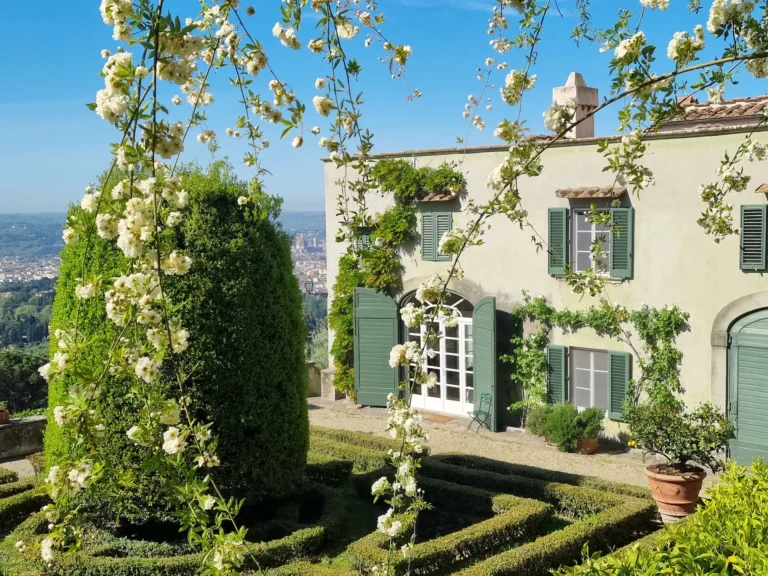
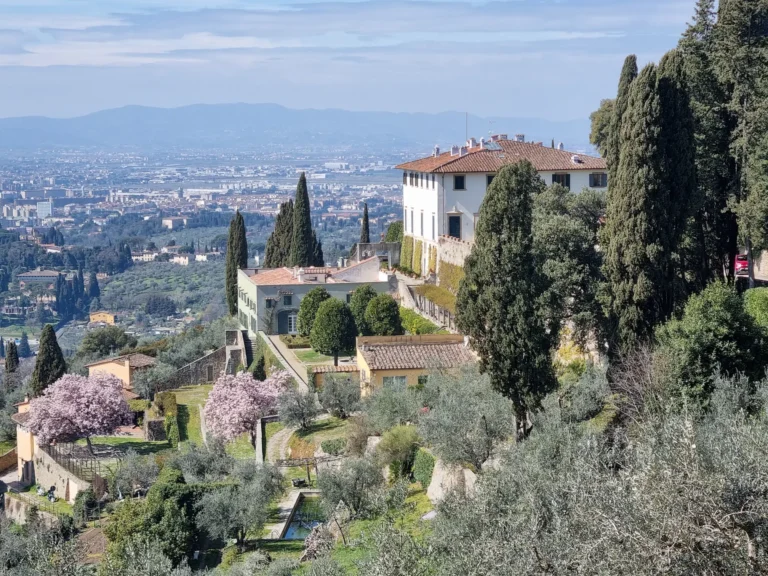
What kind of thing might be included in the setting of a park or garden?

Views of or from a park or garden will play an important part, but the way in which we experience a park or garden in its setting is also influenced by other environmental factors such as noise, dust and vibration from other land uses in the vicinity, and by the historic relationship between places.

Views are the most obvious elements of the setting. They can be both designed and ‘accidental’, and both from and into the park or garden.

Views which contribute particularly to setting include those:

– with a relationship to the park or garden, for example if a Victorian park was created next door to a factory so the workers could use it;
– with historical associations, for example if a park is called ‘Poet Park’ because it has a fantastic view of a famous poet’s house;
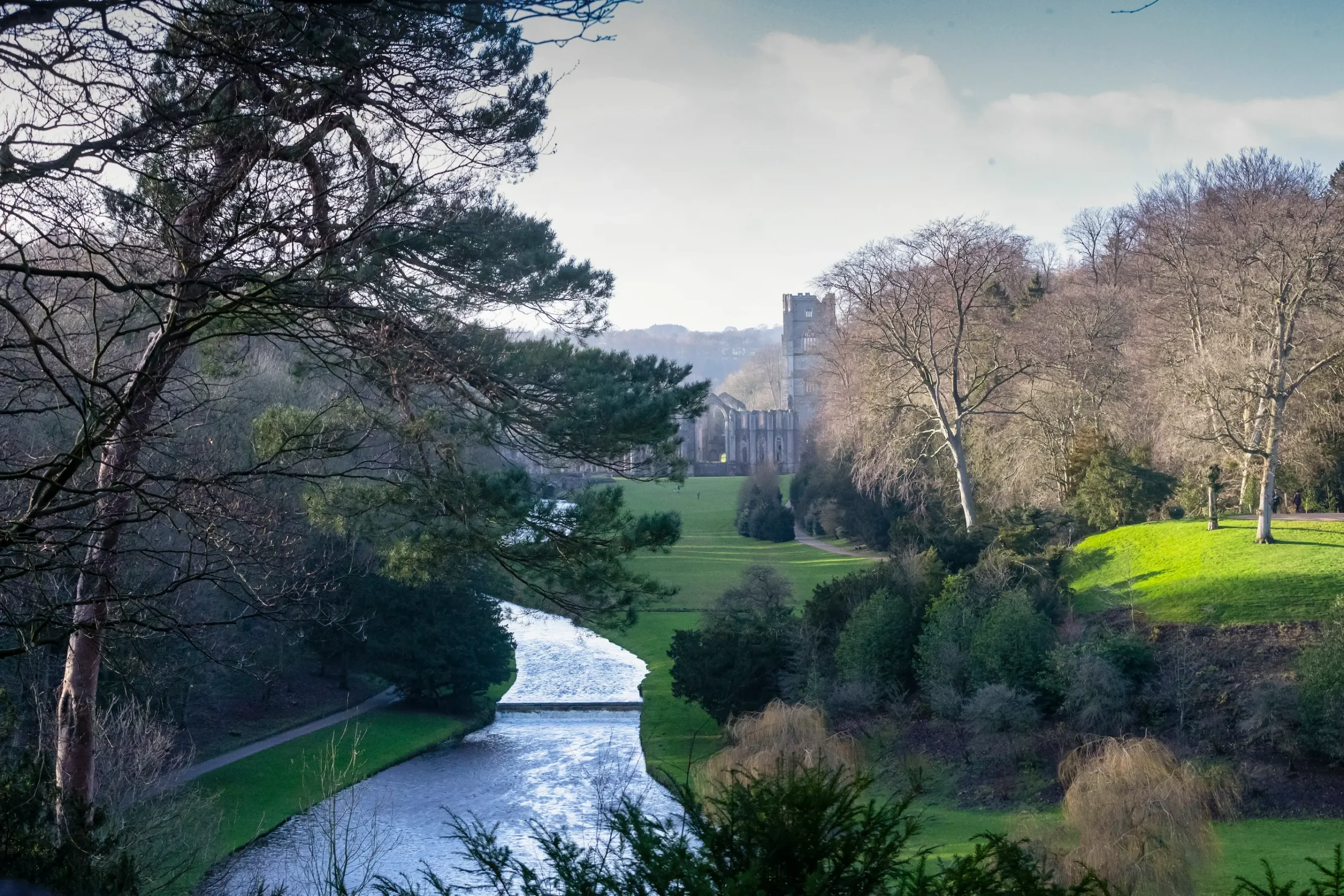
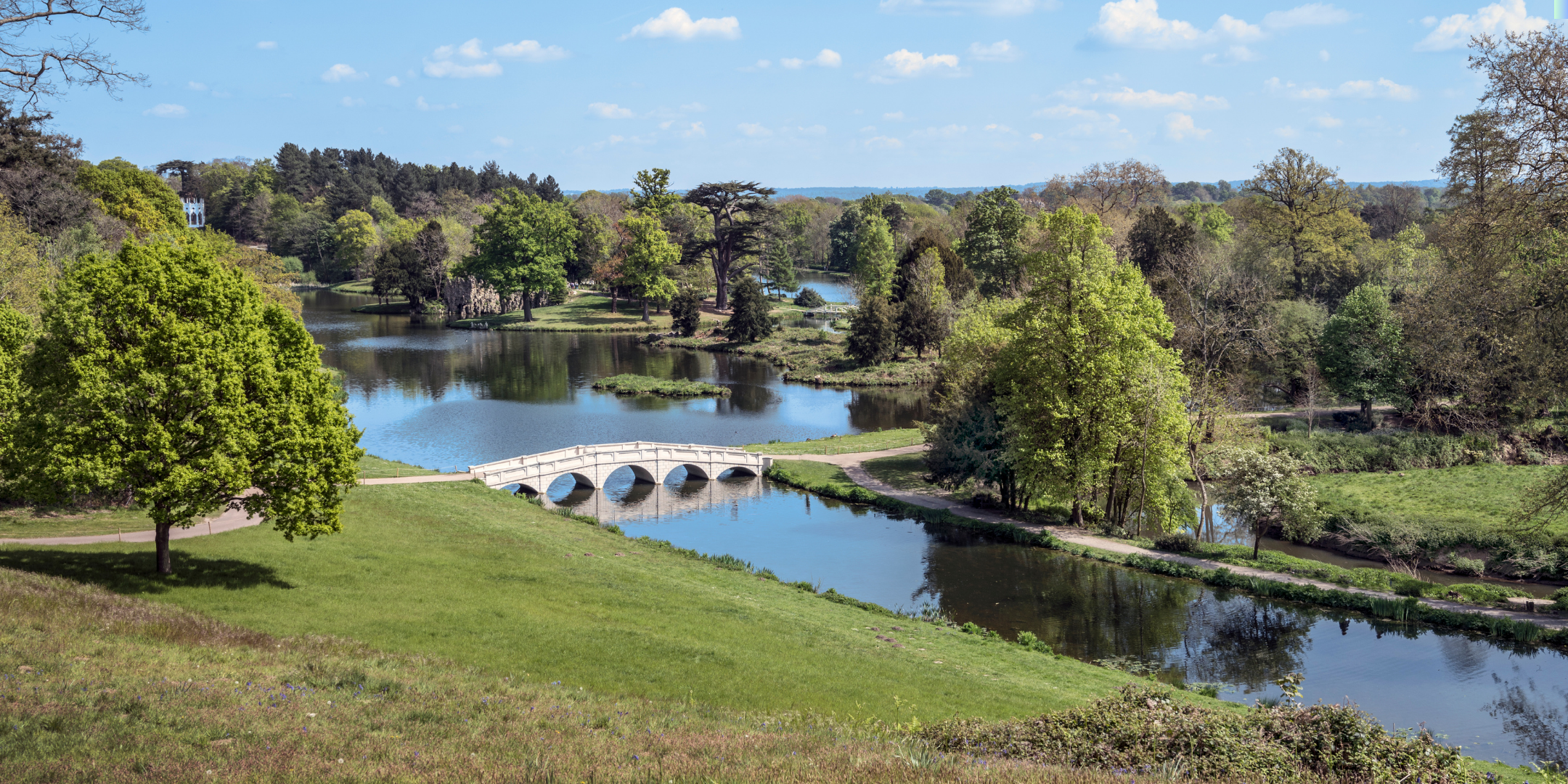
– where the view was a fundamental aspect of the original landscape design, for example if an 18th century English landscape garden was designed to intentionally make the most of views to and from a ruined castle in the distance;
– between the site and natural or topographic features, for example if a garden was designed to show off views of a beautiful moorland on a nearby hillside.

Other things that contribute to setting include:

– Sound – for example if one of the attractions of garden is that it celebrates the sounds of a nearby river, or that a park is very quiet and filled only with bird and tree sounds because it was created as a retreat from urban noise.
– Tranquillity or remoteness – for example if a park or garden was created to feel very far from ‘civilisation’.
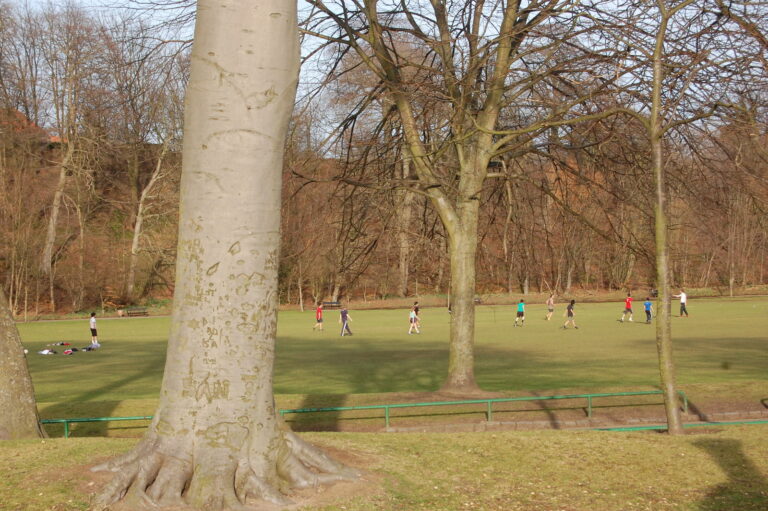
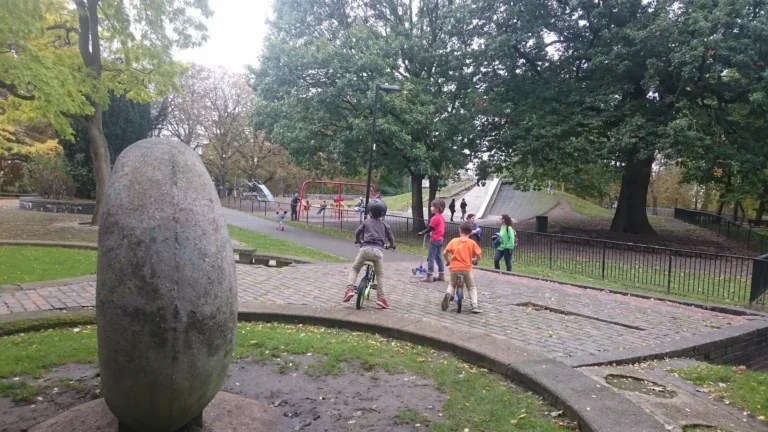
– Sense of bustle – for example in a park created as a place for sports, play, festivities, meeting friends, political demonstrations.
– Sense of enclosure or seclusion – creating intimate spaces where people can think their own thoughts or read a book or just sit in the sun or shelter out of it.
– Surrounding remoteness and challenging terrain on the approach to it, perhaps creating a sense of drama.
– Air quality – for example fresh, unpolluted air when visiting a rural designed landscape created as an idyllic escape from urban life.
– The historic relationship between places – buildings that are in close proximity but are not visible from each other may have a historic or aesthetic connection that amplifies the experience of the significance of each. For example if an orphanage was created at the same time as a children’s playground a mile away as part of a single scheme to improve the lives of children.

What kind of thing can impact the setting of historic parks and gardens?

Settings of parks and gardens will change over time and that change can be both positive and negative.

Changes in setting that can affect parks and gardens include:

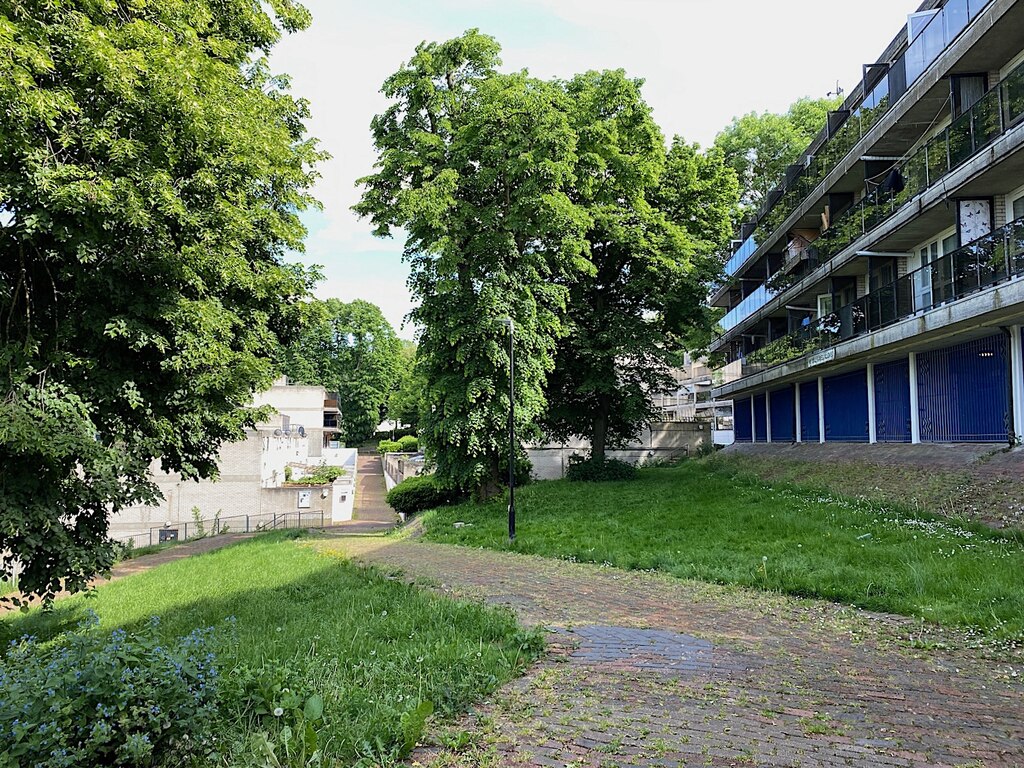
– The built surroundings and spaces around the landscape, for example a large new building dominating a view;
– Skyline and silhouette, for example with a new tall building looming over the park or garden;
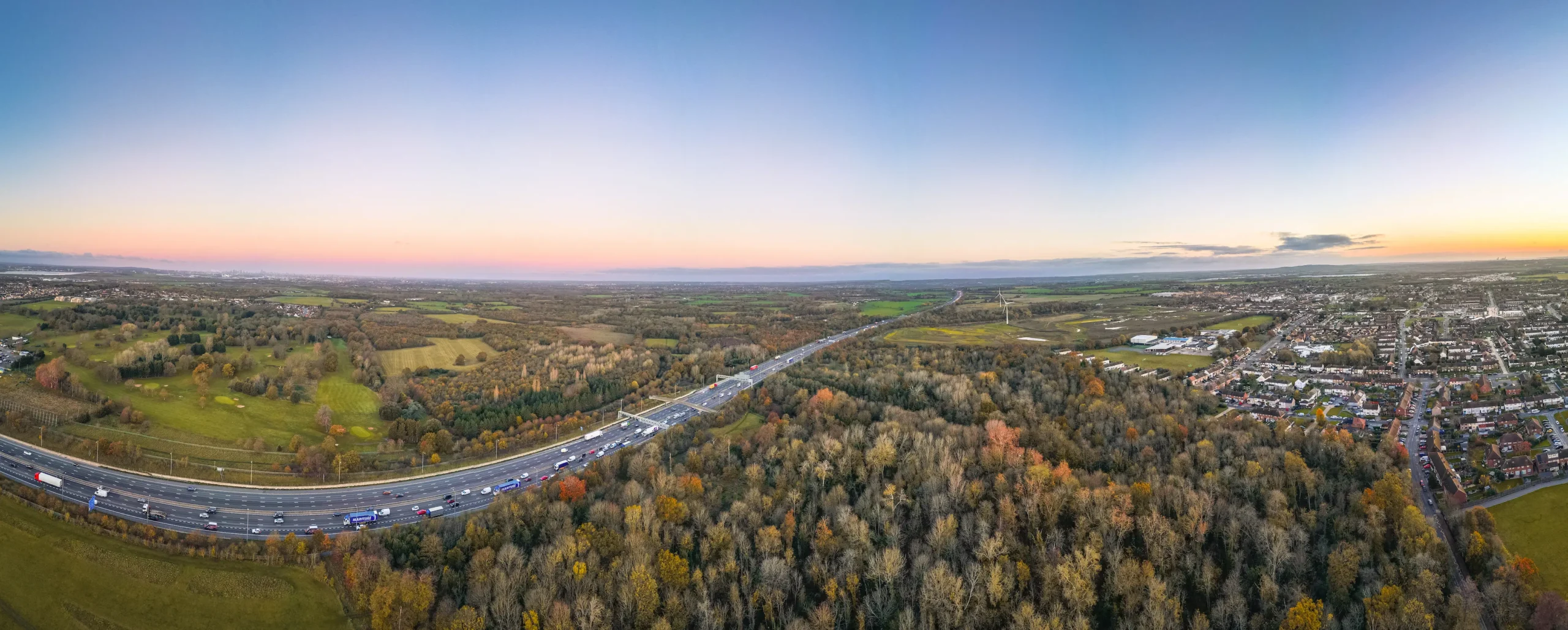
– Nearby activity that creates noise, odour, vibration, dust, such as an industrial unit;
– New lighting effects and ‘light spill’ so that a once serene dark space becomes brightly light;
– General character of the setting, for example if a public park was surrounded by mature trees which gave the pleasant sensation of being surrounded only by nature but then tall buildings were added to stand visible above those trees;
– Public access, use or amenity, for example if a public space was created to provide free-to-access sports facilities but became dominated instead by ticketed commercial use such as a corporate event;
– Land use, land cover or tree cover. For example if a hillside forming a valued view from a historic garden is no longer used for grazing cattle but instead becomes a motorcross venue;
– Access and the way you move through the site, for example if visitors can no longer approach a historic garden through the grand historic carriage drive as the original owners would have done but instead need to use the back entrance past the works depot;
– Ownership arrangements, for example if the setting is split between multiple owners then they may treat it differently to each other in a way that doesn’t reflect the needs of the landscape as a whole.

How is the setting of historic parks and gardens currently protected?

The government’s policy for the protection of heritage assets such as registered parks and gardens is based on protecting their ‘significance’ – in essence, what’s special about them. The government is clear that significance stems from both the park or garden itself and its setting.

Developers must understand setting, and its effect on the historic park or garden’s significance and local planning authorities must also understand this significance, as well as the potential impact of a developer’s proposals upon it.

If any harm is proposed to the significance of a registered park or garden – including from development within its setting (and not all changes in a park or garden’s setting will have an impact on its significance) – a ‘clear and convincing justification’ is required, and a number of stringent policy tests come into play.

Local planning authorities tend not to have enough staff with expertise in the historic environment (and particularly in relation to historic parks and gardens) and that’s why the Gardens Trust’s expert input is essential to help them assess significance and the impact of proposals upon it.

When looking at planning applications that may affect a historic park or garden’s setting, local planning authorities need to consider the implications of cumulative change. They may also need to consider the fact that developments which detract from a park or garden’s significance may also damage its economic viability now, or in the future, thereby threatening its on-going conservation.

Setting can be so important that it’s mentioned several times in the National Planning Policy Framework (NPPF), which sets out the government’s planning policies for England and how these are expected to be applied. It is also mentioned in the legislation that protects listed buildings (which also provides some protection for registered parks and gardens, where they form the setting to listed buildings).

Where can I learn more about setting?

The Setting of Heritage Assets, Historic England, 2017 contains general advice on understanding setting and how it may contribute to the significance of heritage assets, as well as information on how views contribute to the setting. https://historicengland.org.uk/images-books/publications/gpa3-setting-of-heritage-assets/heag180-gpa3-setting-heritage-assets/

The Importance of Setting

Topics

The Society has produced an Annual Report since 1833 and these invaluable records are now available online

Places / Topics

One of the city’s most enduring innovations has been quietly shaping lives for almost two centuries.

Garden Historians

Landscape Design Consultant John Harris describes his career helping to design and maintain designed landscapes