Search

Georgian Garden Design

Framing Nature: The Enduring Legacy of Georgian Garden Design

Rooted in Enlightenment thinking and the rise of the picturesque, Georgian gardens became spaces where nature was artfully framed rather than tamed.

Reimagined Landscapes

The Georgian era (1714–1830) ushered in a quiet revolution in British garden design. One that reimagined the landscape not as a rigid display of regulation but as a living canvas for emotional and philosophical reflection. Rooted in Enlightenment thinking and the rise of the picturesque, Georgian gardens became spaces where nature was artfully framed rather than tamed.

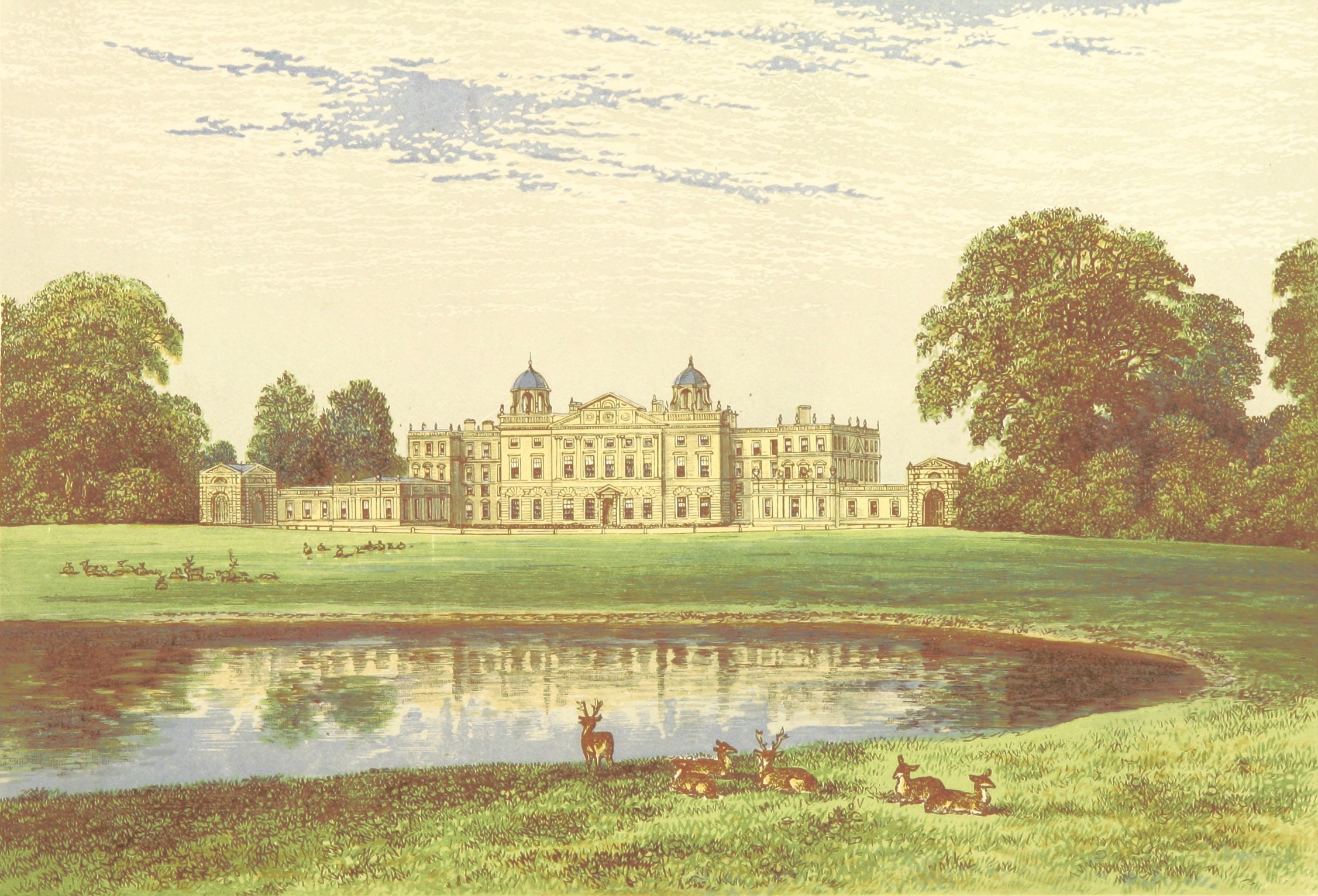
Early Georgian gardens retained formal elements – symmetry, axial paths, and clipped parterres – but these gradually gave way to more fluid compositions. Designers like William Kent and Lancelot ‘Capability’ Brown championed a new aesthetic: sweeping lawns, serpentine lakes, and strategically placed groves that guided the eye and stirred the soul. Their work echoed the ideals of classical Arcadia and Elysium, blending ecological subtlety with theatrical grandeur.

Ha-has, Temples and Grottoes

The introduction of the ‘ha-ha’ (a recessed wall that preserved uninterrupted views while keeping livestock out) epitomised the Georgian commitment to illusion and openness. Garden buildings, from temples to grottoes, offered moments of pause and narrative, inviting visitors to engage with the landscape as a sequence of experiences.

This shift was more than stylistic. Georgian gardens reflected changing attitudes toward nature, liberty, and identity. As Horace Walpole observed, Kent “leapt the fence and saw that all nature was a garden.” It was a radical departure from the enclosed formality of earlier periods, embracing emotional resonance and spatial freedom.

In urban contexts, Georgian principles adapted to smaller scales. Townhouse gardens featured curving paths, ornamental shrubs, and productive borders, balancing beauty with utility. Even modest plots aimed to “surprise, vary, and conceal the bounds,” echoing Alexander Pope’s poetic guidance.

The Georgian Legacy

Today, the Georgian legacy persists not only in historic estates but also in modern practices. Its focus on harmony, storytelling, and sensory experience continues to shape how we design, interpret, and preserve gardens.

For heritage professionals, the Georgian garden provides a model of inclusive storytelling, where landscape becomes a medium for memory, identity, and healing.

As we face new challenges – climate resilience, accessibility, and emotional well-being – the Georgian ethos invites us to look again. To see gardens not just as historic artefacts, but as dynamic spaces of connection and care.

Georgian Garden Design

Topics

The Inventory is a freely available online resource dedicated to recording and understanding Suffolk’s rich and varied historic gardens, parks and designed landscapes.

People

After her career as a World War II codebreaker, Mavis went on to be at the forefront of the movement to protect historic designed landscapes, helping to ensure the survival of many important gardens for the future.

Places

Horatio’s Garden supports the recovery and wellbeing of people with spinal injuries within NHS healthcare settings