Search

What Yoruba Plants Tell Us About Gardens

Two Leaves, Many Lives: a personal history of how gardening knowledge is passed down through generations

Not every important landscape has a celebrated designer. Some survive, for a while, in the names of leaves and in the memories of people who tended them.

Generational knowledge

At fifteen, I remember being given a cup of agbo, a bitter Yoruba herbal preparation made by my mother.

That memory cannot tell us whether the mixture helped my illness. But it eventually led me to a different question: where was the knowledge behind such preparations kept?

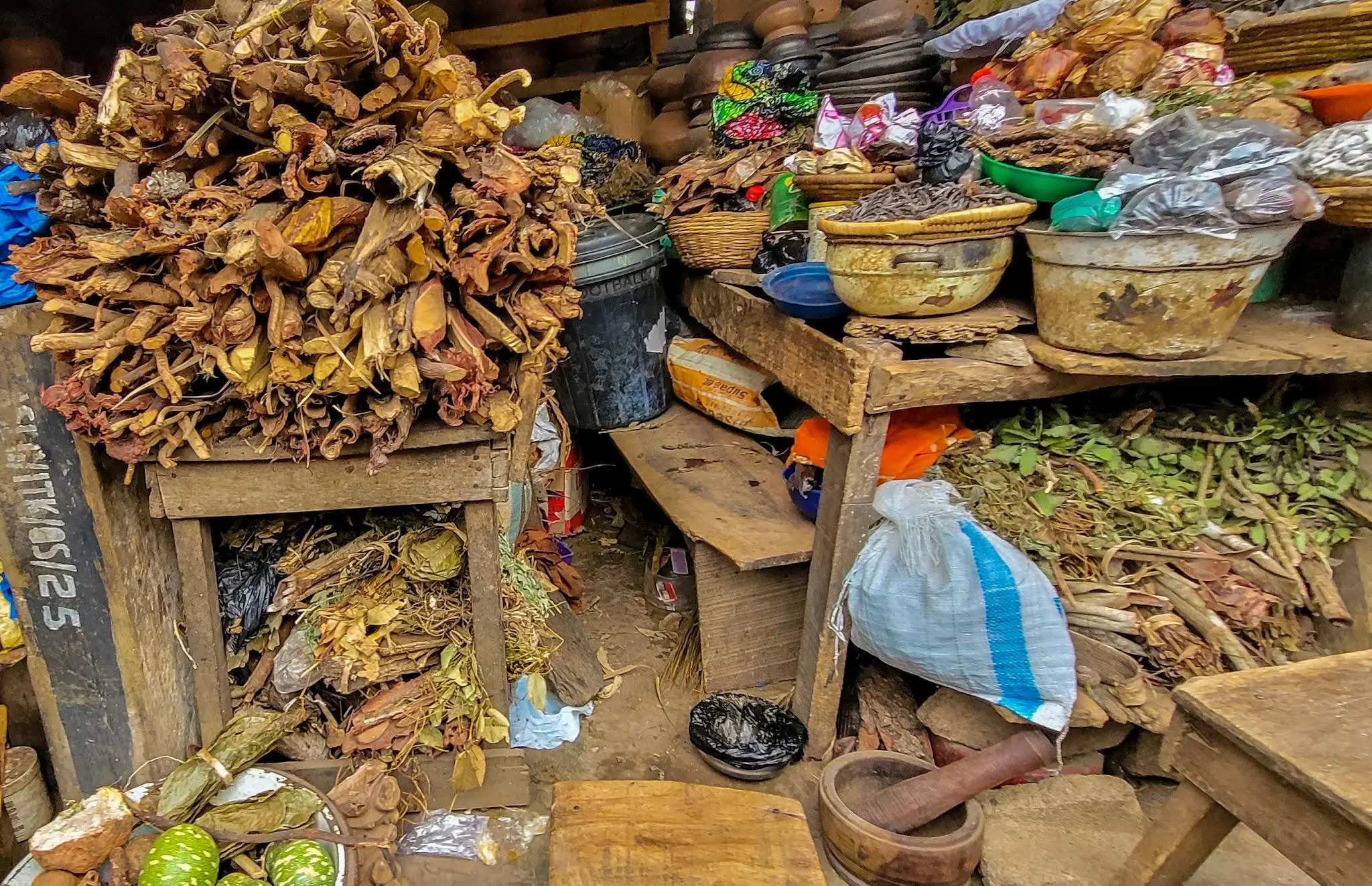
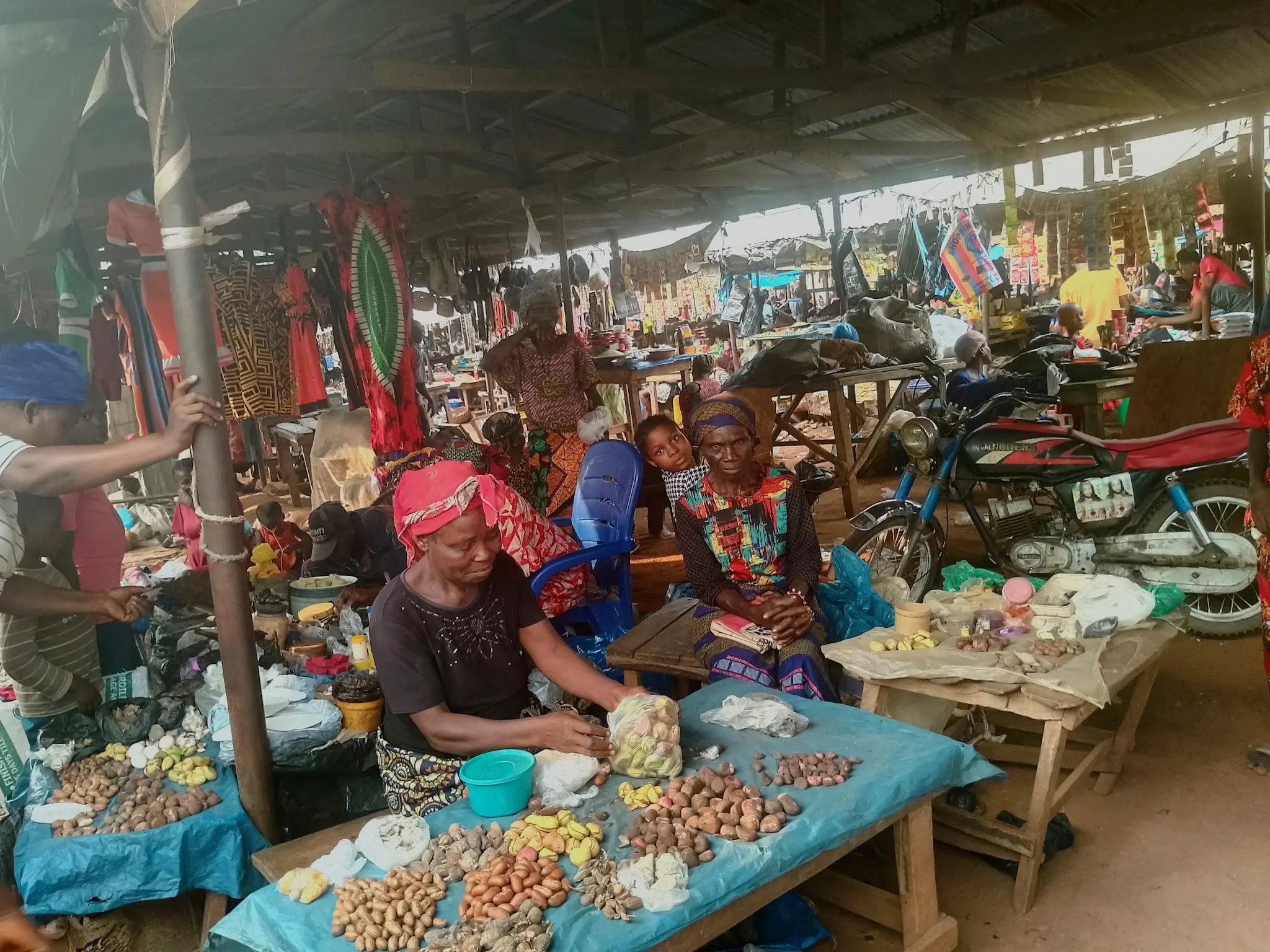
My father spent more than a decade of his childhood with his grandmother in Olukoko, a village in Osun State, southwestern Nigeria. His family farmed, and he remembers her tending medicinal plants in a garden. I have no photograph, planting plan or reliable inventory of its species. What I have is his account of a woman who cultivated useful plants and passed on what she knew.

That is a difficult sort of garden to put into a history book. Famous gardens leave plans, bills and portraits of their owners. A working plot beside a family home may leave little paper. Its design is found instead in choices: what to plant, what to protect, what to keep within reach and whom to teach.
Yoruba plants

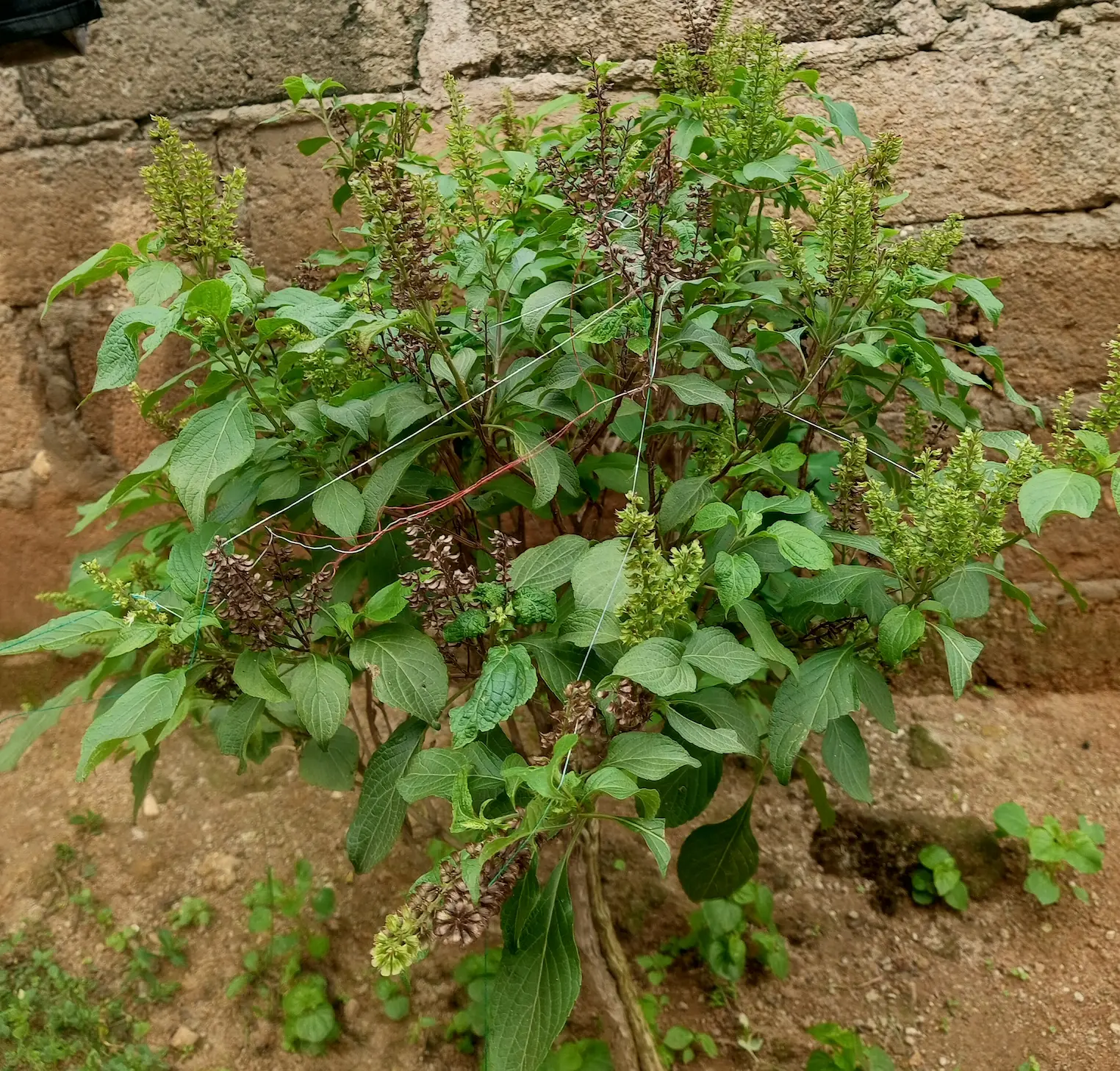
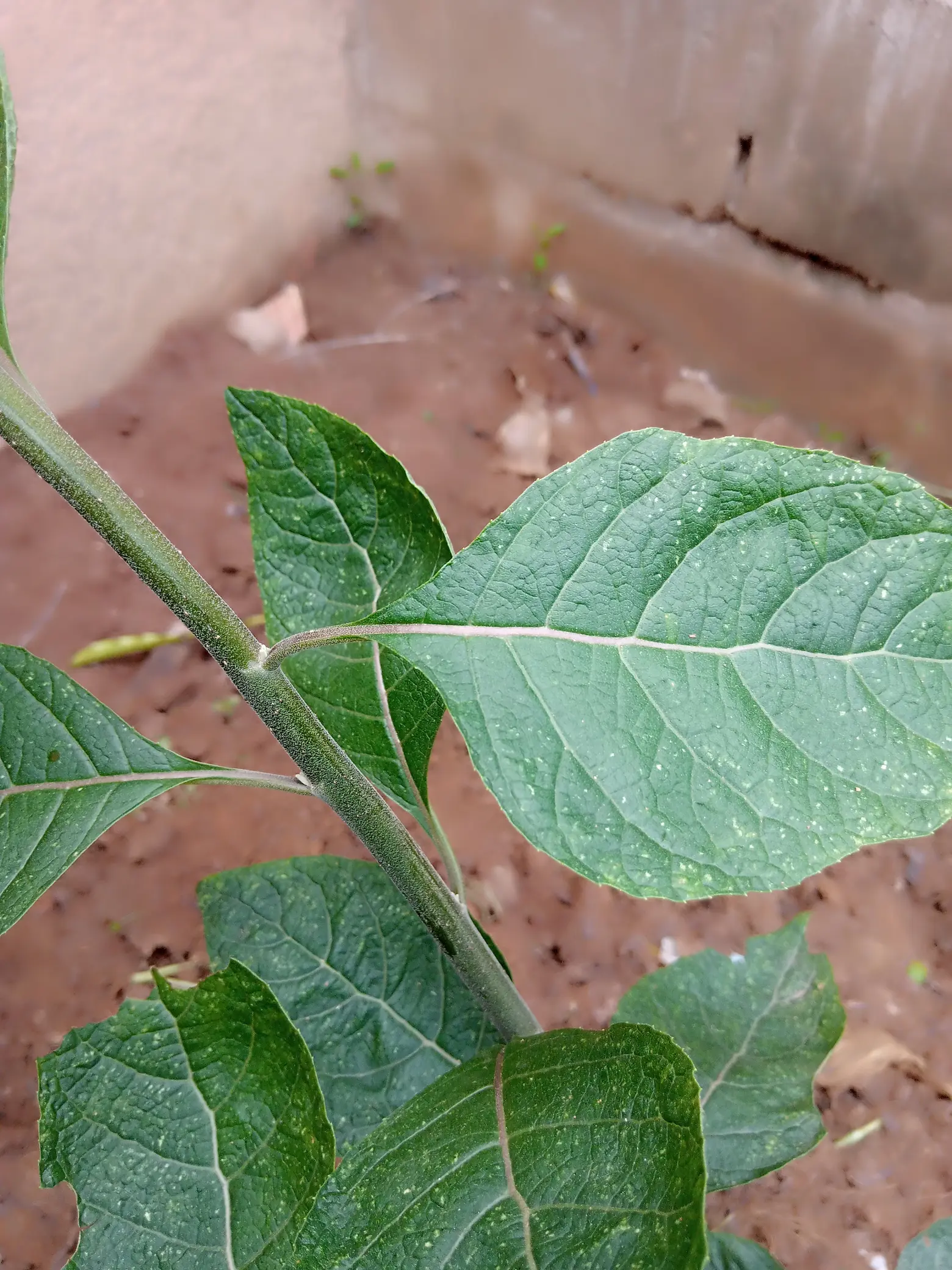
Consider two familiar Yoruba plants. Efinrin (Ocimum gratissimum), often called scent leaf, is known for its distinctive aroma. Ewuro, or bitter leaf (Vernonia amygdalina), has a place in cooking as well as accounts of traditional plant use.

I cannot claim that either grew in my great-grandmother’s garden; the photographs accompanying this article show present-day specimens elsewhere. They are examples of a much wider world of practical botanical knowledge.

That world is large. In a survey of published and recorded Yoruba plant knowledge, Ajao, Mukaila and Sabiu documented 493 useful flowering-plant species, including 418 reported in medicinal contexts. Those numbers tell us what people have used and recorded, not which remedies have been clinically proved safe or effective. Garden history can take the knowledge seriously without confusing tradition with medical evidence.

Preservation of family stories

A household garden is an unusual archive. Its records grow, need care and sometimes disappear when a family moves or a gardener dies.

A scientific collection can preserve a labelled specimen; a family story may preserve who looked after the living plant, and why. Neither tells the whole story alone.

I cannot draw my great-grandmother’s garden for you. I can, however, ask that we see places like hers in the history of gardens. Not every important landscape has a celebrated designer. Some survive, for a while, in the names of leaves and in the memories of people who tended them.

Olaosebikan Olamiposi Elijah received the Mavis Batey Essay Prize in 2026 for his work titled ‘Cultivating Cure: Women, Medicinal Gardens and the Translation of Yoruba Healing Knowledge’.

People

The Hermitage was Elsie Wagg’s much-loved Sussex home, but her garden inspired something much bigger. In 1926, she came up with an idea that would open hundreds of gardens across England and Wales

People

In the late 17th century, Mary Somerset, Duchess of Beaufort, described gardening as her “innocent diversion”, yet this apparently genteel pastime became an ambitious enterprise of cultivation, collecting and botanical investigation.

Topics

In 1927, something rather unusual was happening in gardens across England and Wales. Private gardens, normally hidden behind gates and walls, were opening their doors to the public – all in aid of nursing charities.

People

Without any previous experience of gardening, Margery Fish made one of the most celebrated informal gardens of the mid-20th century and used her writing skills to share what she had learnt in the process

Places

When she created East Lambrook Manor Garden, from a farmyard and a rubbish heap, Marjorie Fish developed a new cottage garden style that had a huge influence on garden owners of the time and is still relevant today

Places

The Edwardian gardens at Upton Grey Manor House in Hampshire display the talent and artistry of the garden designer Gertrude Jekyll and remain a delight to wander round and explore