Search

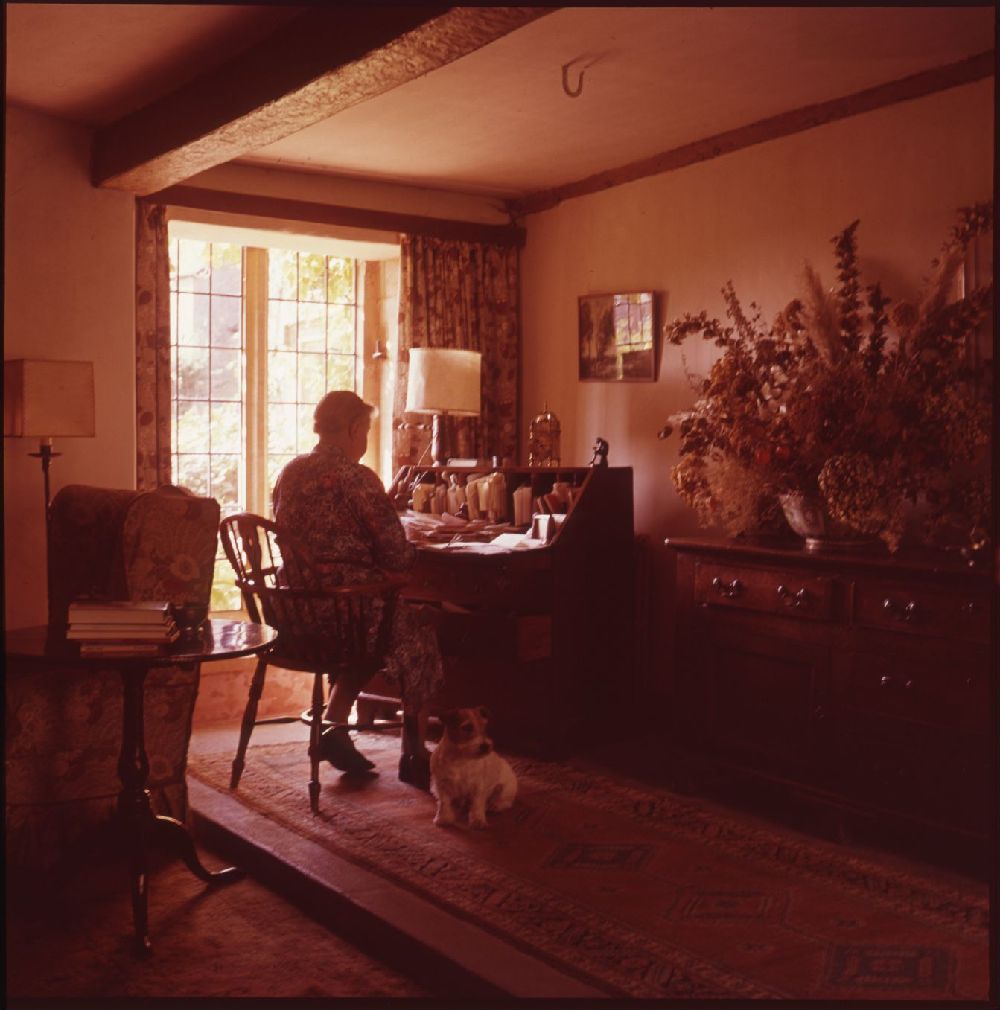
Margery Fish

Creator of a new style of cottage garden, plantsperson and influential garden writer

Without any previous experience of gardening, Margery Fish made one of the most celebrated informal gardens of the mid-20th century and used her writing skills to share what she had learnt in the process

Who was Margery Fish?

Margery Townshend was born on 5 August 1892 in Stamford Hill, Hackney, London. Following secretarial college, she started working in Fleet Street, where she remained for over 20 years.

Initially she worked with countryside magazines then she moved to Associated Newspapers, where she was secretary to six successive editors of the Daily Mail. The last of these was Walter Fish and in 1933 Walter and Margery married. While at Associated Newspapers Margery also wrote for several other papers and periodicals.

So how did this Londoner and career woman become an influential country gardener and garden writer?

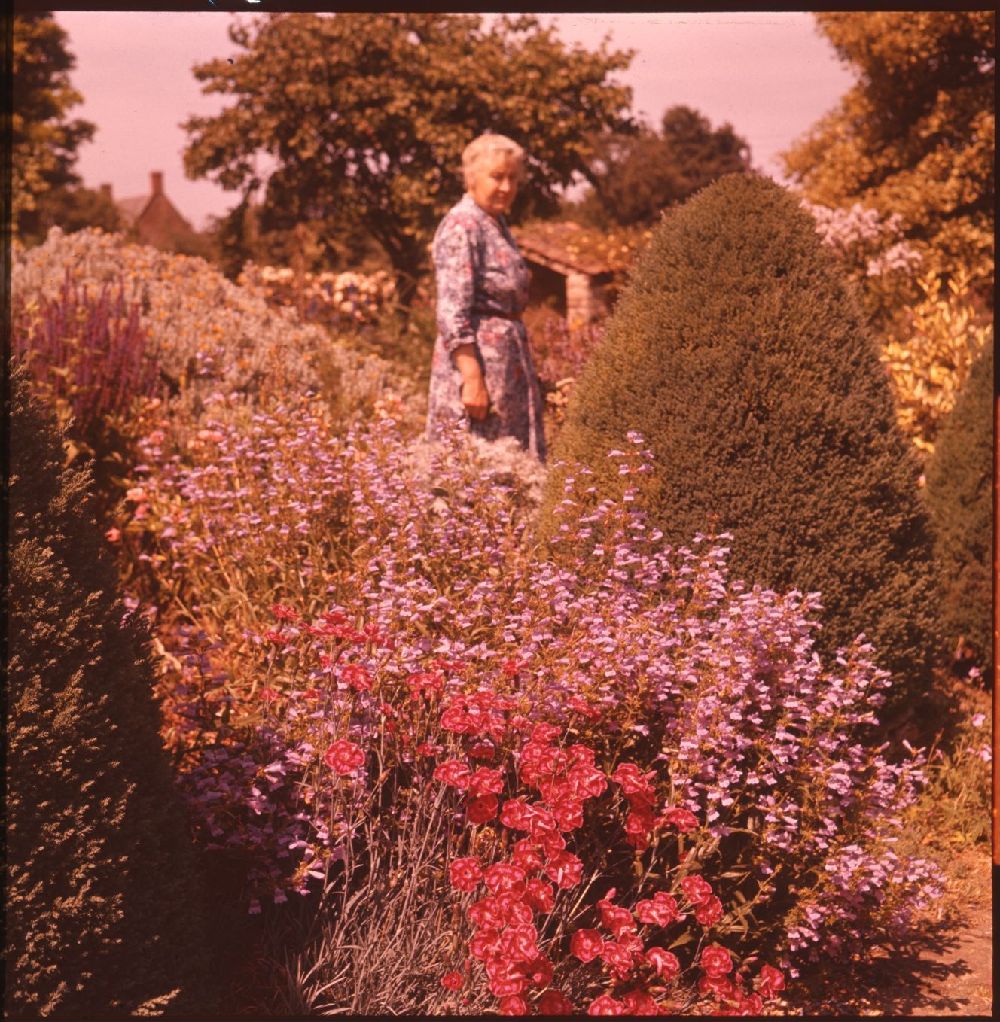
East Lambrook Manor Garden

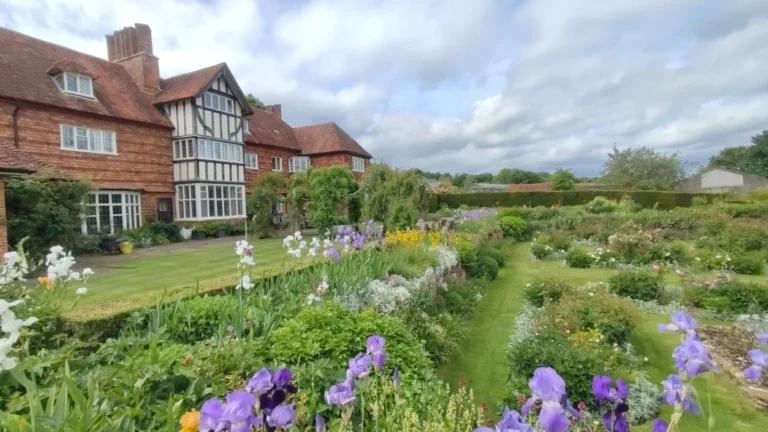
In 1937, with war looming, Walter and Margery bought the crumbling East Lambrook Manor, in Somerset, plus some adjoining land to increase the site to about two acres.

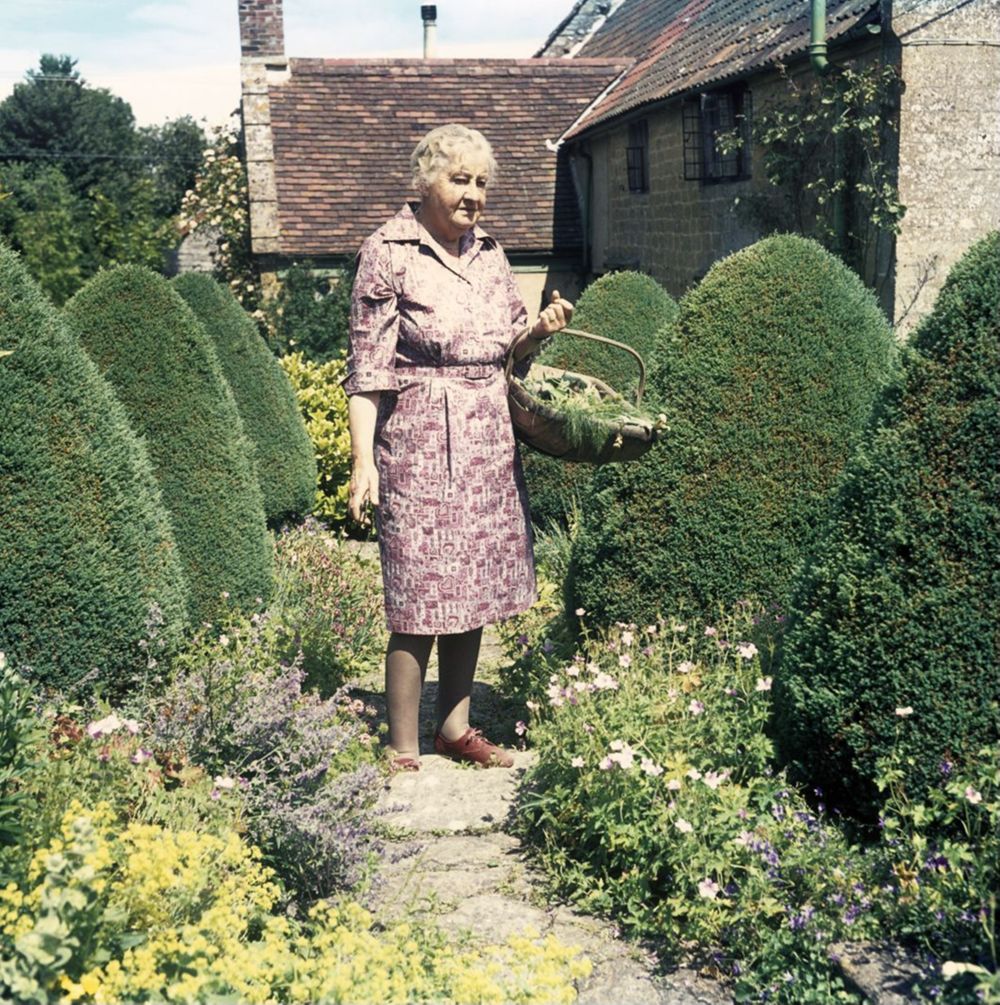
Having made the house habitable, they cleared the neglected land and created the basic structure of the garden, including using stone that was found in the garden to build dry stone walls and create terraces.

Mrs. Fish was a complete novice when it came to gardening but her husband was not and she soon discovered that he had very firm ideas about how things should be done and what the garden should look like. He liked formality, and wanted the terrace garden to be a summer show piece of traditional plants; he was not interested in what the garden looked like in winter.

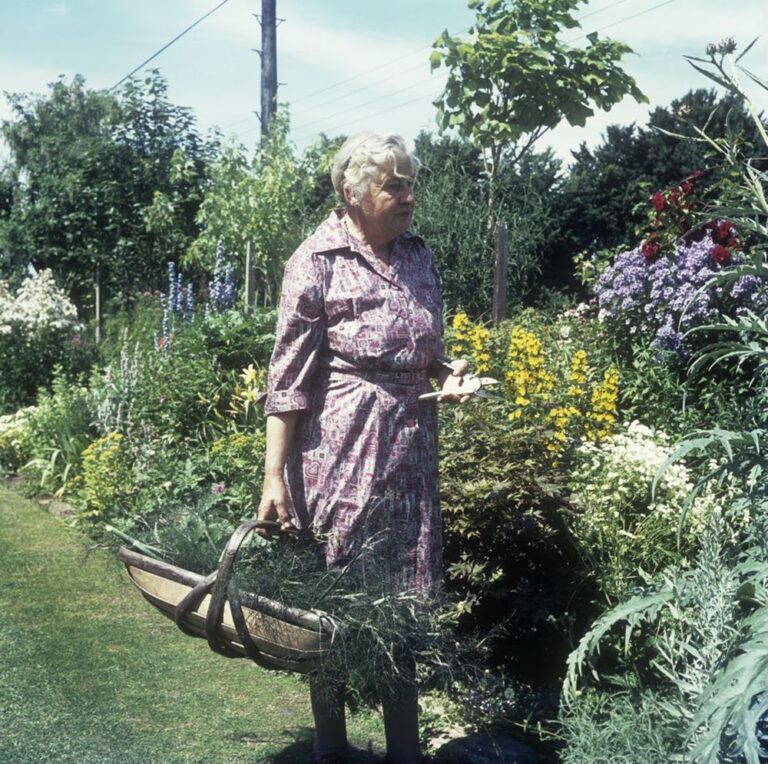
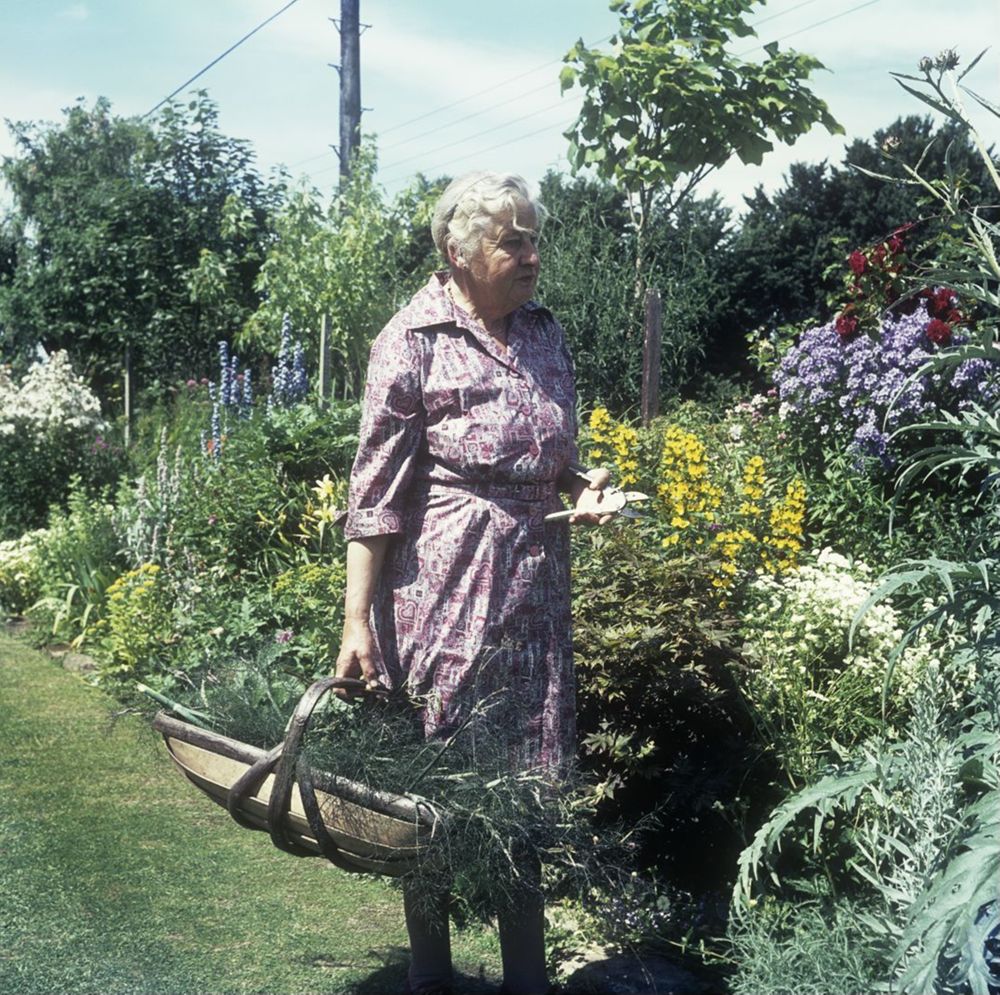
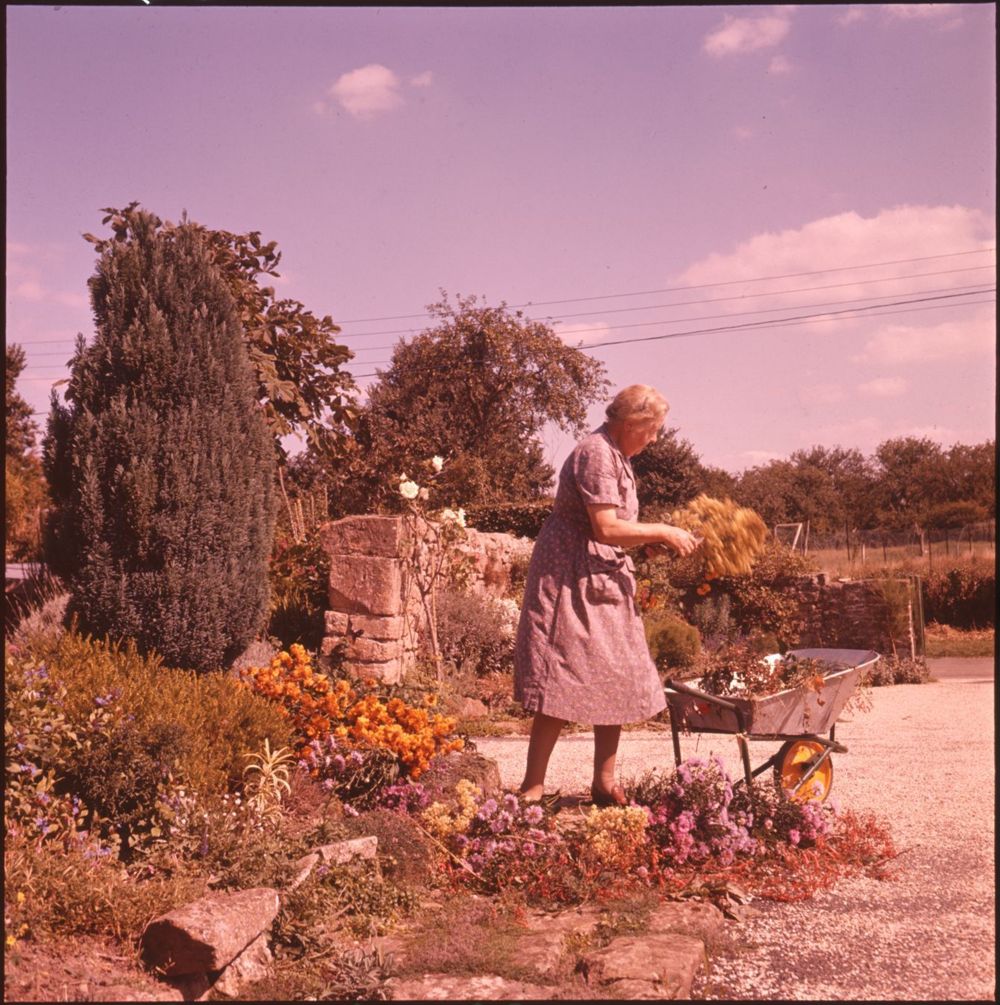
At first, Mrs. Fish had to work round Walter’s ideas and plants but after he died in 1947 she began to make changes and over the next two decades she created an influential modern cottage garden. Narrow winding paths surrounded and crossed themed areas with planting carefully chosen to suit the conditions, whether sun-baked, shady or damp, and that gave colour and interest all year round. Low growing plants spilled over paths and softened edges. It was a style that meant that she could do most of the work herself, without having to rely on paid help.

Sharing her knowledge

Having learnt so much about plants and gardening, Mrs. Fish was keen to share her knowledge and personal experience with others.

To do this she gave talks and broadcasts and wrote articles for periodicals including Amateur Gardening and Popular Gardening. She contributed to reference books and also wrote eight books of her own.

Her first book, We Made a Garden (1956), described how the garden at East Lambrook Manor came into being and subsequently developed and in it she not only shared the successes but also the mistakes that were made along the way. Subsequent books focussed more on specific topics such as Cottage Garden Flowers (1961), Ground Cover Plants (1963) and Gardening in the Shade (1964).

The garden at East Lambrook was first opened for charity in the 1950s. Today it continues to welcome and inspire visitors who can wander along the narrow paths admiring Mrs. Fish’s choice of plants and the way she laid out the beds.

Mrs. Fish became a keen plantsperson and sought out many old and unusual specimens, often obtaining them from other great gardeners and plantspeople of the day. She opened a small nursery to sell some of these which she propagated herself.

In 1963, Mrs. Fish was awarded a Silver Veitch Memorial Medal by the Royal Horticultural Society recognising her outstanding contribution to the advancement of the science and practice of horticulture.

Margery died in 1969.

Related articles by topic :

Places

When she created East Lambrook Manor Garden, from a farmyard and a rubbish heap, Marjorie Fish developed a new cottage garden style that had a huge influence on garden owners of the time and is still relevant today

Places

The Edwardian gardens at Upton Grey Manor House in Hampshire display the talent and artistry of the garden designer Gertrude Jekyll and remain a delight to wander round and explore

People

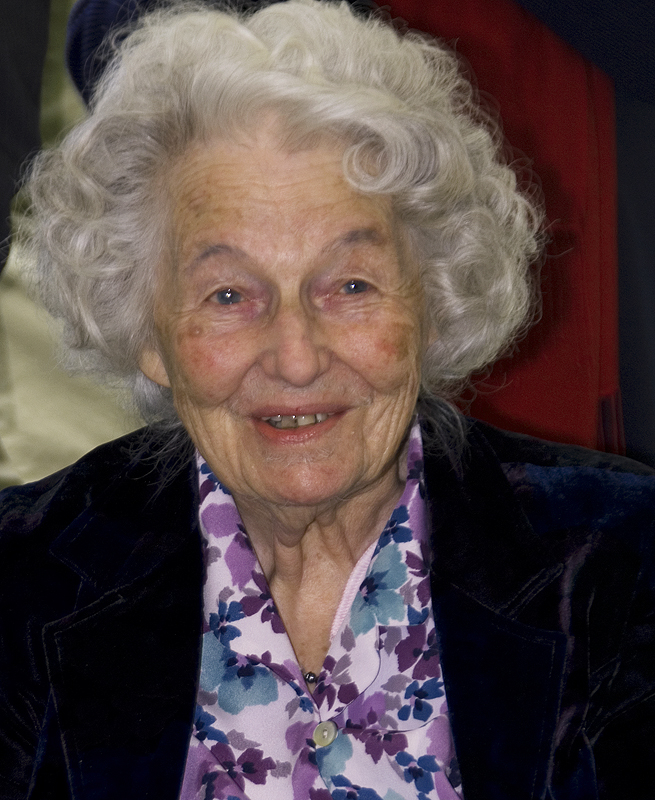
After her career as a World War II codebreaker, Mavis went on to be at the forefront of the movement to protect historic designed landscapes, helping to ensure the survival of many important gardens for the future.

Topics

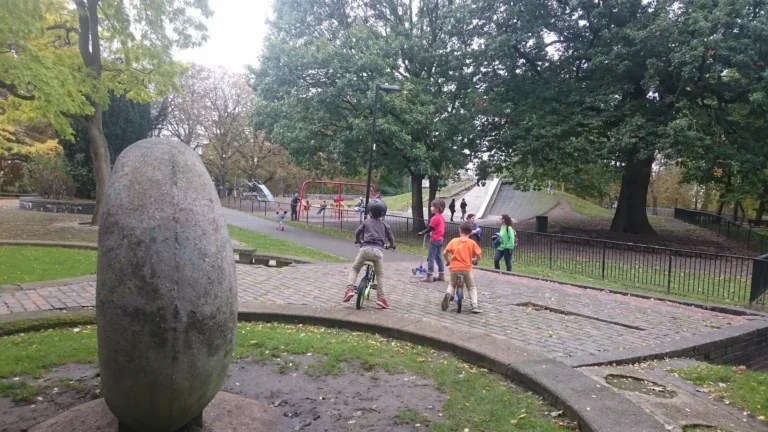
Designed to improve our health and community cohesion, playgrounds began as ‘gymnasia’ for all to use.

Periods

The Interwar Years (1918–1939) marked a pivotal shift in garden design, as landscapes responded to both personal grief and broader cultural transformation.

People

In a time when women were expected to stay in the drawing room, Ellen Ann Willmott (1858–1934) was digging in the dirt, often quite literally reshaping the landscape of British gardening.