Search

Interwar Gardens

Quiet Revolutions: Garden Design in the Interwar Era

The Interwar Years (1918–1939) marked a pivotal shift in garden design, as landscapes responded to both personal grief and broader cultural transformation.

The Interwar Garden

Between the devastation of World War I and the upheaval of World War II, British gardens became sanctuaries of solace, self-expression, and social change.

The Interwar Years (1918–1939) marked a pivotal shift in garden design, as landscapes responded to both personal grief and broader cultural transformation.

In the wake of WWI, gardens took on a therapeutic role. Many families created memorial spaces at home – quiet corners planted with roses, poppies, and yew to honour lost loved ones. Public parks and commemorative gardens also emerged, blending horticulture with remembrance. This emotional resonance shaped design choices, favouring intimate, enclosed spaces over previous grand Victorian formality.

Arts and Crafts meets Modernism

At the same time, the Arts and Crafts movement continued to influence garden aesthetics.

Designers like Gertrude Jekyll and Edwin Lutyens continued championing harmony between house and garden, using native plants, natural materials, and informal layouts. Herbaceous borders, clipped hedges, and cottage-style planting became hallmarks of this period, reflecting a nostalgic yearning for pre-industrial simplicity.

Yet the Interwar Years were not solely defined by tradition. Modernism began to take root, especially in urban settings. Influenced by continental design and Bauhaus principles, some gardens embraced geometric lines, abstract forms, and new materials like concrete and steel. These spaces reflected a forward-looking optimism, even as political tensions simmered.

Gardens of Domestic Pride

Social change also shaped garden use. With more women entering public life and suburban housing expanding, gardens became sites of domestic pride and leisure.

Magazines like ‘The Garden’ and ‘Home & Garden’ offered practical advice, while nurseries and seed catalogues made exotic plants more accessible. Hydrangeas, hostas, and Japanese maples gained popularity, adding colour and texture to modest plots.

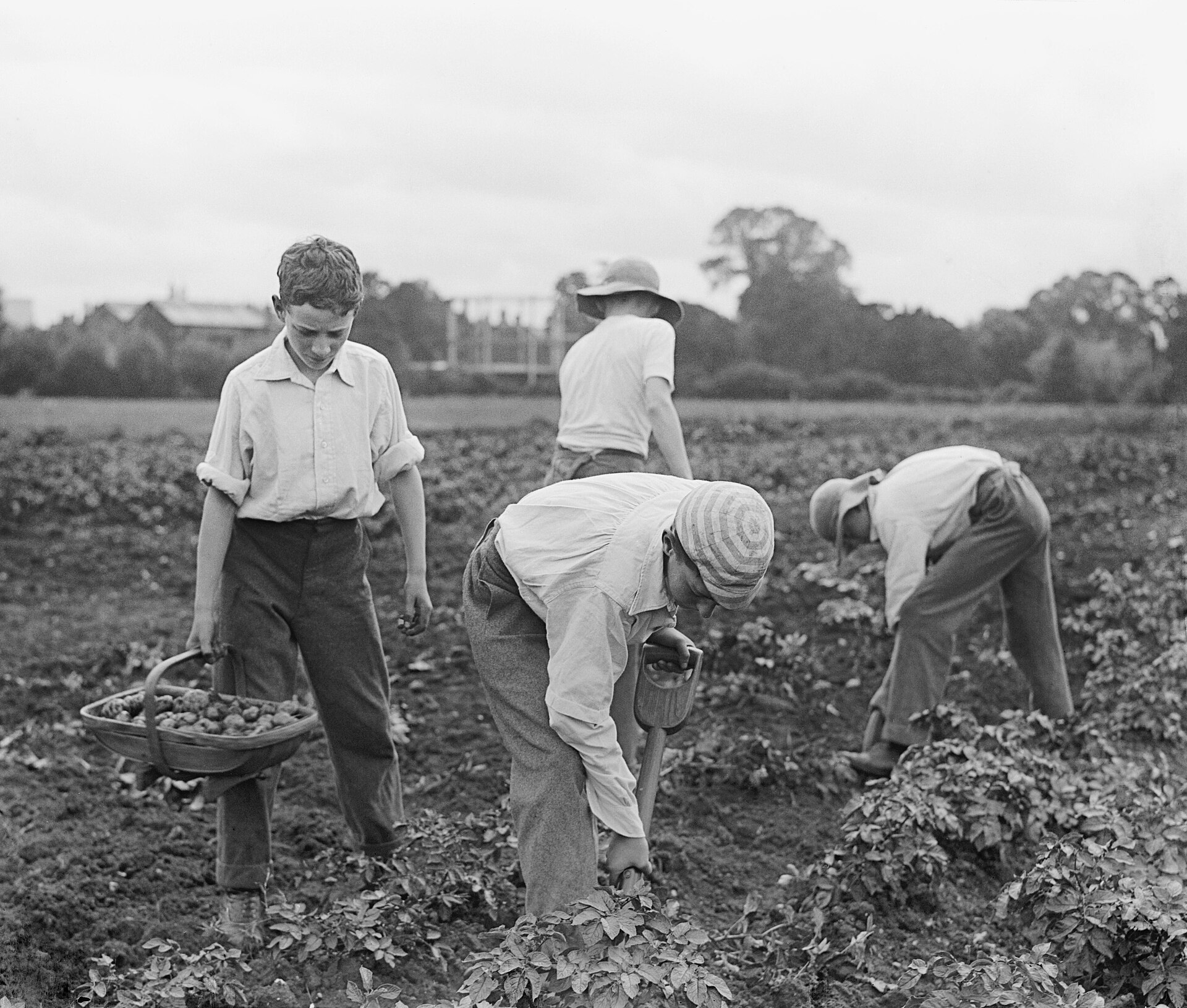
By the late 1930s, as war loomed again, gardens shifted toward utility. The groundwork was laid for the “Dig for Victory” campaign, with vegetable beds and fruit trees quietly replacing ornamental borders. But even then, the Interwar garden remained a space of beauty, memory, and quiet resistance – a testament to the enduring power of cultivated land in uncertain times.

People

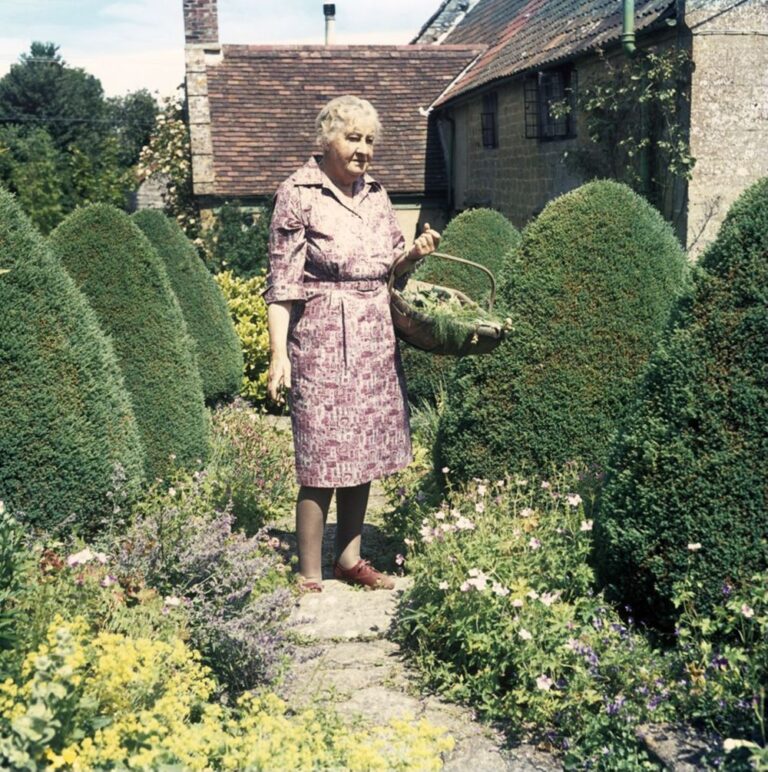
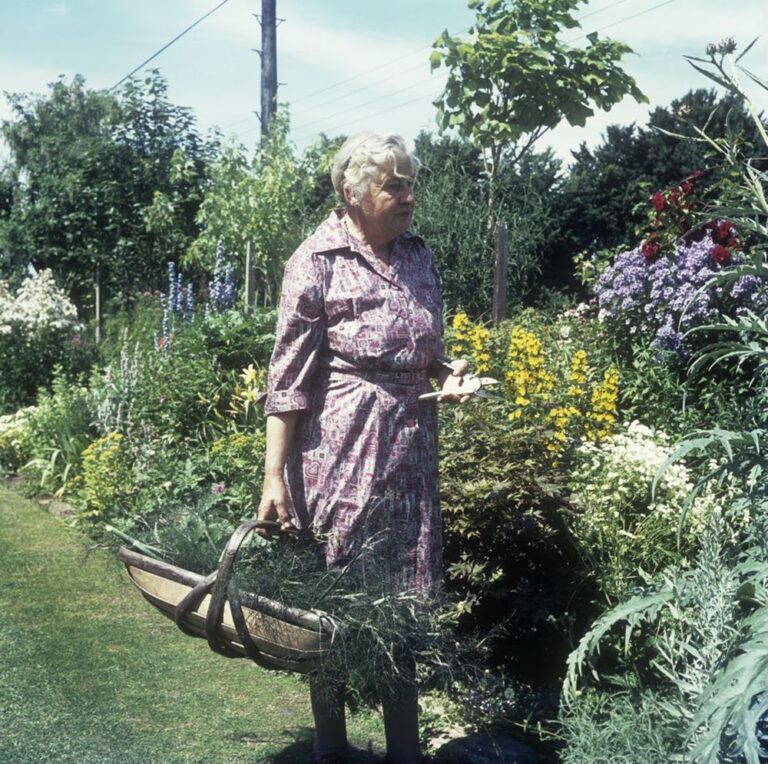
Without any previous experience of gardening, Margery Fish made one of the most celebrated informal gardens of the mid-20th century and used her writing skills to share what she had learnt in the process

Places

When she created East Lambrook Manor Garden, from a farmyard and a rubbish heap, Marjorie Fish developed a new cottage garden style that had a huge influence on garden owners of the time and is still relevant today

Places

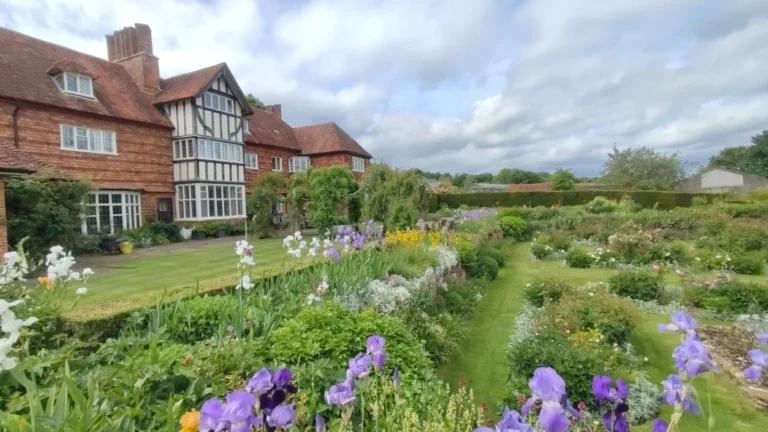
The Edwardian gardens at Upton Grey Manor House in Hampshire display the talent and artistry of the garden designer Gertrude Jekyll and remain a delight to wander round and explore

Topics

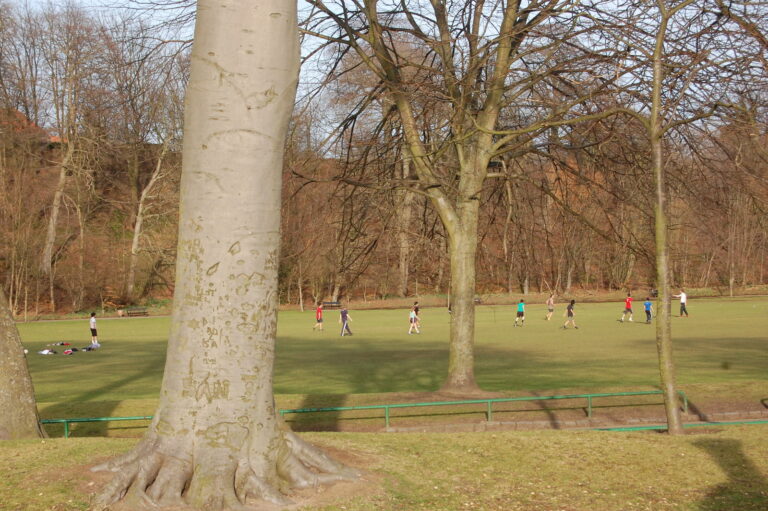
The rise of football in Britain coincided with one of the great social innovations of the nineteenth century – the creation of public parks.

Topics

The first football pitches of the 1800s were scythed or grazed but over time evolved into highly maintained landscapes incorporating drainage, heating and new technology such as Astroturf

Topics

Landscape Design Consultant John Harris recounts his career in Wigan Council’s Landscape Department helping to design and maintain designed landscapes