Search

How Public Parks Built the Beautiful Game

Jumpers for goalposts: how access to public space revolutionised the beautiful game

The rise of football in Britain coincided with one of the great social innovations of the nineteenth century – the creation of public parks.

Breathing places for an industrial nation

Football's history is usually told through clubs, cups and famous players. We celebrate great goals, legendary managers and iconic stadiums. Yet the story of the beautiful game begins somewhere much more ordinary: in public parks.

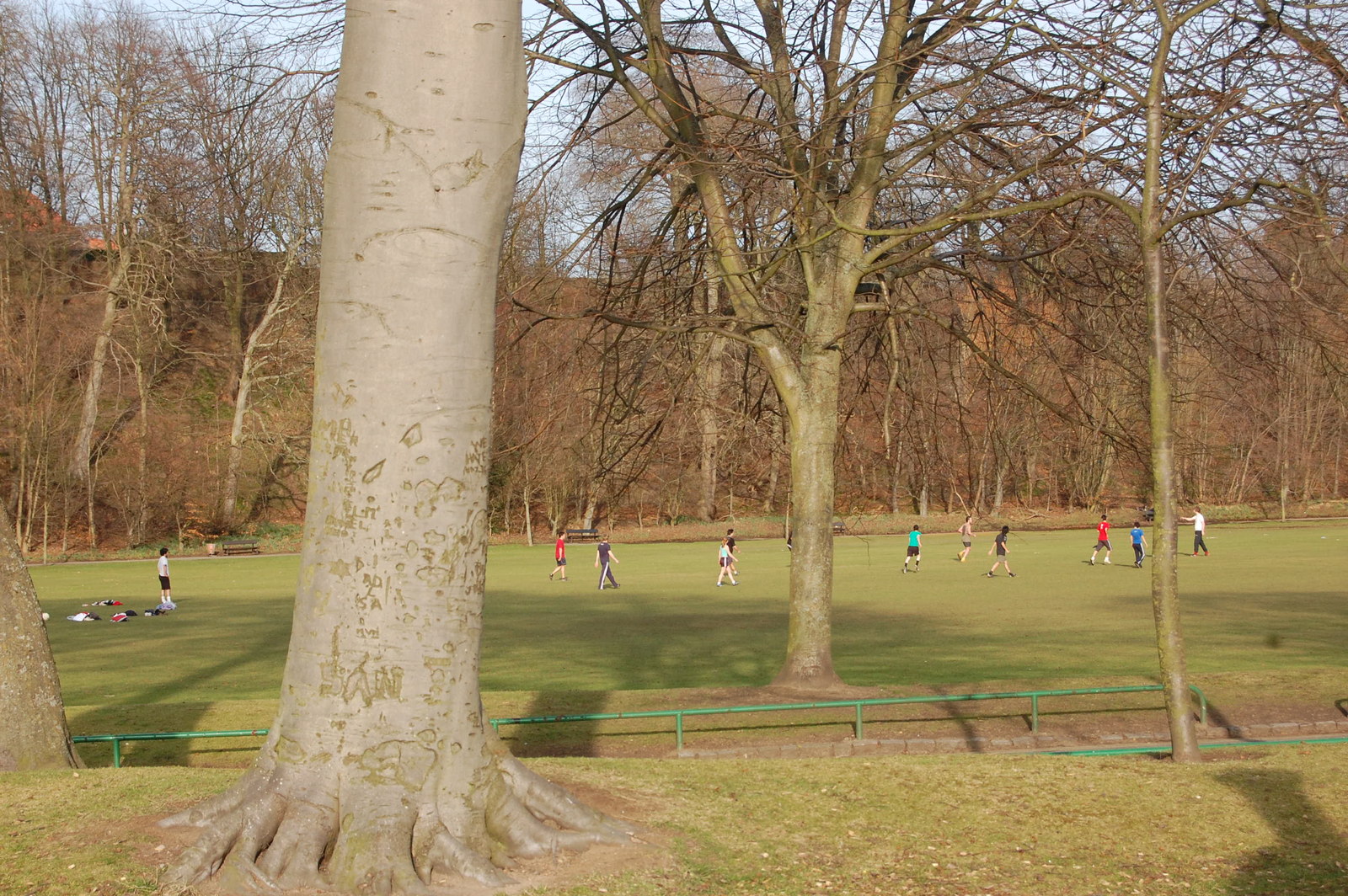
Long before football became a global spectacle watched by billions, it was played on open ground, recreation fields and municipal parks. For generations of children and adults alike, the game started with little more than a patch of grass and two jumpers for goalposts. Those informal matches depended on something revolutionary: access to public space.

The rise of football in Britain coincided with one of the great social innovations of the nineteenth century – the creation of public parks.

By the early nineteenth century, Britain’s towns and cities were growing at an unprecedented rate. Industrialisation brought prosperity for some, but it also created overcrowding, pollution and poor living conditions for many. Reformers increasingly worried about the physical and moral wellbeing of urban populations.

In 1829, landscape designer and writer J. C. Loudon called for the creation of public parks as “Breathing Places” for towns and cities. At the time, London possessed the Royal Parks, but these were largely inaccessible to ordinary people. Elsewhere, there were few public green spaces at all. The idea that beautiful landscapes should be available to everyone was a radical one.

The campaign gathered momentum. A parliamentary report on Public Walks in 1833 argued that parks would improve public health and encourage more positive use of leisure time. Recreation was not viewed as a luxury but as an essential part of a healthy society.
Birkenhead and a new vision

The idea became reality in 1847 with the opening of Birkenhead Park, designed by Joseph Paxton. It was the first great municipal park created using public funds specifically for public use.

Today, Birkenhead Park is often celebrated for its influence on landscape design. Less often discussed is its social significance. It embodied a new belief that parks should be places where people could gather, stroll, exercise and enjoy recreation regardless of wealth or status.

This vision quickly spread. Across Britain, towns and cities began creating public parks that combined ornamental landscapes with facilities for leisure and recreation. They were designed not only to be admired but to be used. Recreation was increasingly seen as an essential function of public parks. What nineteenth-century planners often called “playgrounds” were not simply children’s play spaces in the modern sense. They were areas set aside for games and exercise, including football, helping to establish a tradition of organised recreation within public landscapes.

Manchester’s sporting landscapes

Few cities embraced this idea more enthusiastically than Manchester.

As one of the world’s first industrial cities, Manchester faced many of the social challenges that public parks were intended to address. Open space was scarce, while opportunities for recreation were often limited.

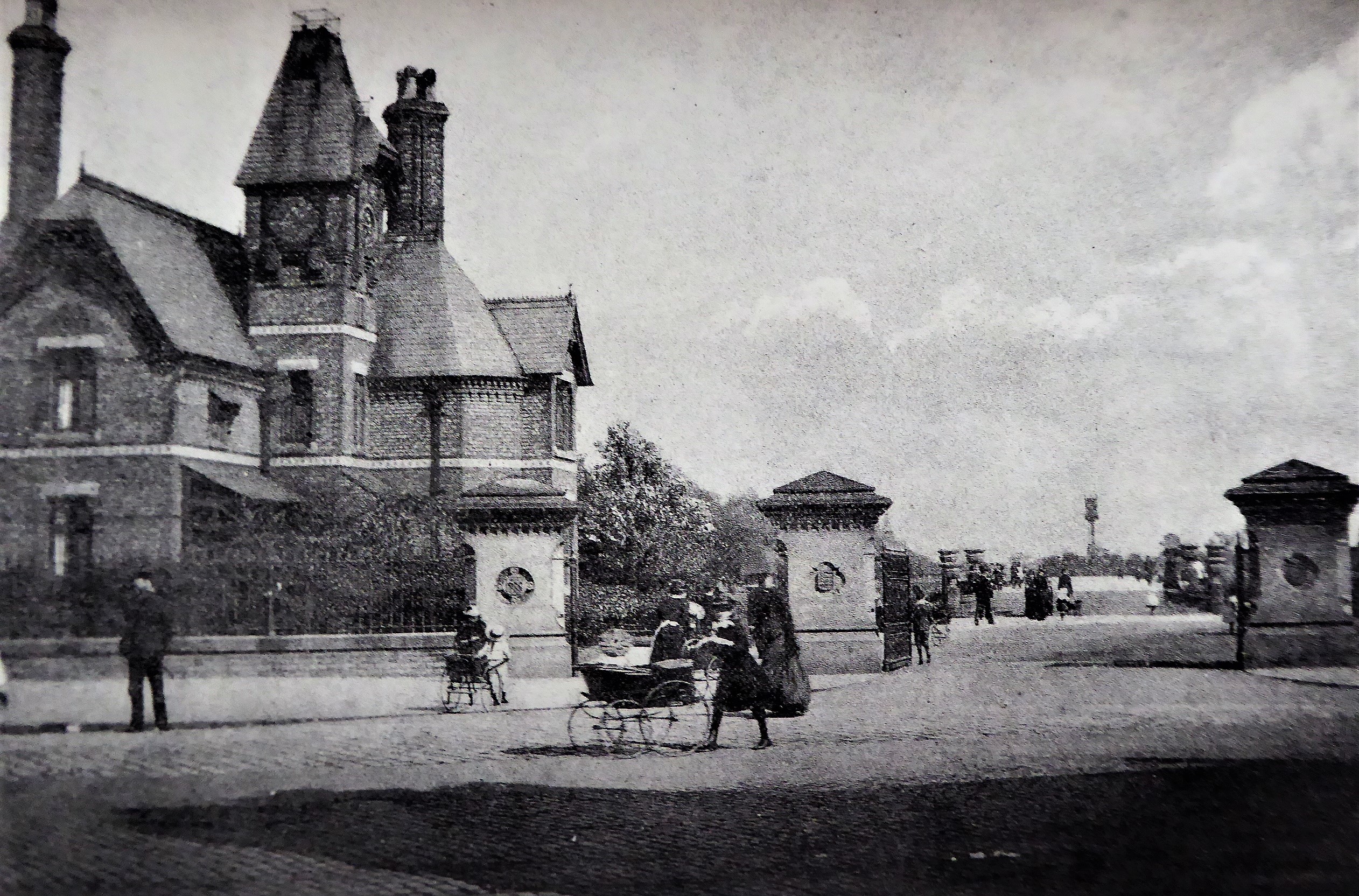
The city’s Victorian parks offered a solution. Among the most important was Alexandra Park, opened in 1870. Today it is recognised for its landscape design and historic significance, but it was also conceived as a place for active recreation. Tennis courts, recreation grounds and sporting facilities formed part of a broader vision in which parks could improve both individual wellbeing and community life.

And football was particularly well suited to public parks. It required relatively little equipment, could be organised quickly and appealed across social boundaries.

In parks such as Alexandra Park, organised sport and informal recreation existed side by side. The carefully designed landscape provided the setting, but it was people who brought it to life.

The people's pitch

The earliest football pitches looked very different from those we know today. There were often few markings, inconsistent dimensions and rudimentary goalposts. Mud, uneven surfaces and poor drainage were common features. Yet technical perfection was never what mattered most - the real innovation was access.

A child growing up in Victorian Manchester may never have owned land or belonged to an exclusive sporting club, but they could visit a public park. There they found space to run, play and compete. Across Britain, municipal parks and recreation grounds provided the settings in which football became woven into everyday life.

Many of the game’s earliest participants encountered football not through famous clubs but through local fields, school grounds and public parks.

The history of football therefore belongs not only to stadiums and sporting institutions, but also to landscape designers, park superintendents and civic leaders who believed recreation should be available to everyone.

A legacy that endures

Today the World Cup is played on meticulously engineered pitches, maintained using sophisticated drainage systems, hybrid turf and advanced groundskeeping techniques. Yet the game’s foundations remain surprisingly close to those nineteenth-century ideals.

Every professional footballer begins somewhere. For generations, that starting point was often a local park, recreation ground or community playing field. So when we gather to watch football’s biggest tournaments, it is worth remembering the landscapes that helped make them possible. From Birkenhead Park to Manchester’s recreation grounds, public parks gave ordinary people room to play, compete and belong.

Jumpers for Goalposts: How Public Parks Built the Beautiful Game

Topics

The Society has produced an Annual Report since 1833 and these invaluable records are now available online

Topics

A park or garden is more than a single focal point like a fountain, their true charm lies in the full sensory experience of a place including distant views, soothing sounds, and crisp, fresh air.

Places / Topics

One of the city’s most enduring innovations has been quietly shaping lives for almost two centuries.