Search

Threats to Parks and Gardens

An overview of the common risks parks and gardens face throughout Britain.

Each year parks and gardens face a range of modern-day threats that can compromise their value and long-term survival.

Examples of Threat

Historic parks and gardens are more than beautiful landscapes—they are rich cultural assets, reflecting centuries of design, planting, and care. Yet these spaces face a range of modern-day threats that can compromise their value and long-term survival.

  • Neglect is one of the most common risks. It might show up as litter, overgrown paths, damaged signage, or deteriorating planting schemes. Even when loved by the community, signs of neglect can make a place feel forgotten and reduce public enjoyment.


  • Vandalism, including graffiti, damaged features, or trampled planting beds, not only causes physical harm but can have emotional and financial impacts—restoring historical elements is costly and often difficult.


  • Development pressure is another threat. New roads, housing, or commercial buildings near or within historic landscapes can disrupt views, layouts, and ecological balance. However, historic parks and gardens can help to support appropriate, good quality development by providing accessible green space for local residents and vital refuges for nature. Development can therefore also be a positive opportunity.


  • Climate change is having growing effects—more frequent flooding, droughts, or storms can damage planting schemes and threaten long-established trees.


  • Poor maintenance funding often leads to reduced staff, equipment, and planning, making it harder to care for these complex spaces.


  • Invasive species and pests also pose a significant challenge, affecting plant health and biodiversity.

How the Gardens Trust Helps to Protect Parks and Gardens Under Threat

Each of these threats, though different in nature, chips away at the integrity and significance of historic designed landscapes. Recognizing these challenges is the first step toward protecting the beauty, heritage, and community value they hold.

At The Gardens Trust, we work nationally to raise awareness of the value and vulnerability of historic parks and gardens. Through research, education, planning advice, and grassroots advocacy, we support the protection and celebration of these special places.

Volunteers and County Gardens Trusts help monitor threats, respond to planning applications, and share knowledge that can guide sensitive maintenance and restoration. We have always supported appropriate development and are keen to work with developers to secure their place in our built landscape. By championing best practice and working in partnership with owners, managers, and local communities, we aim to ensure that these historic landscapes continue to thrive—not just as green spaces, but as living connections to our shared heritage.

Read more about our conservation work and that of the County Gardens Trusts here.

Places

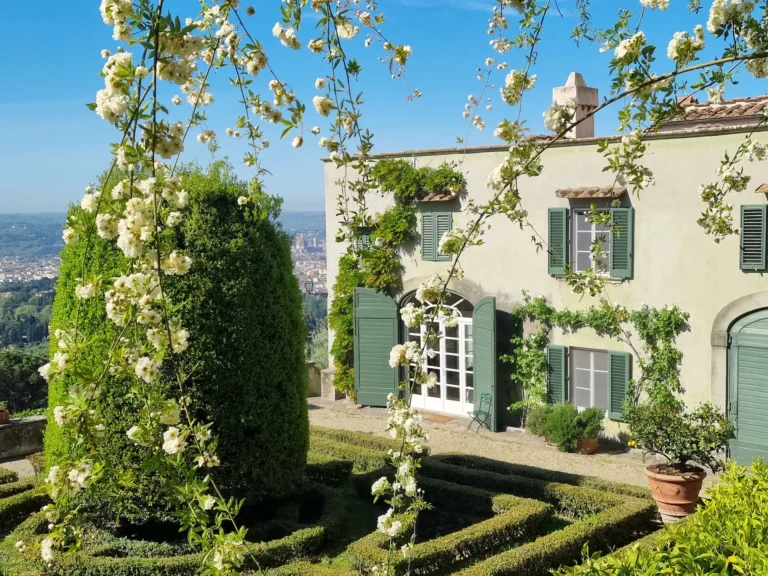
Eleonora Tonon takes us on a tour of Cecil Pinsent’s famous 20th Century gardens in Tuscany, from their inspiration to their creation.

People

Cecil Pinsent trained in London before settling in Florence, where he created symmetrical, geometrically ordered Tuscan gardens for the vibrant local Anglo-American expatriate community.

Topics

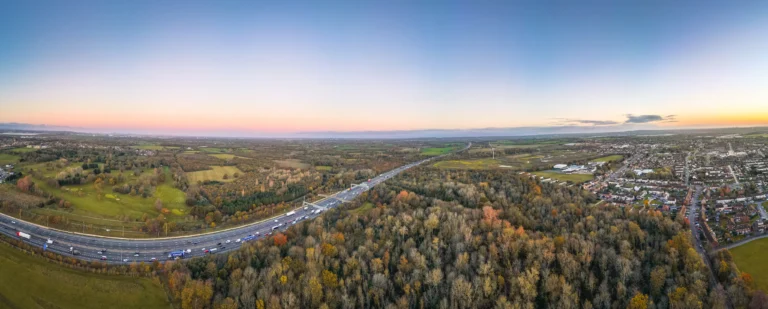
A park or garden is more than a single focal point like a fountain, their true charm lies in the full sensory experience of a place including distant views, soothing sounds, and crisp, fresh air.

Topics

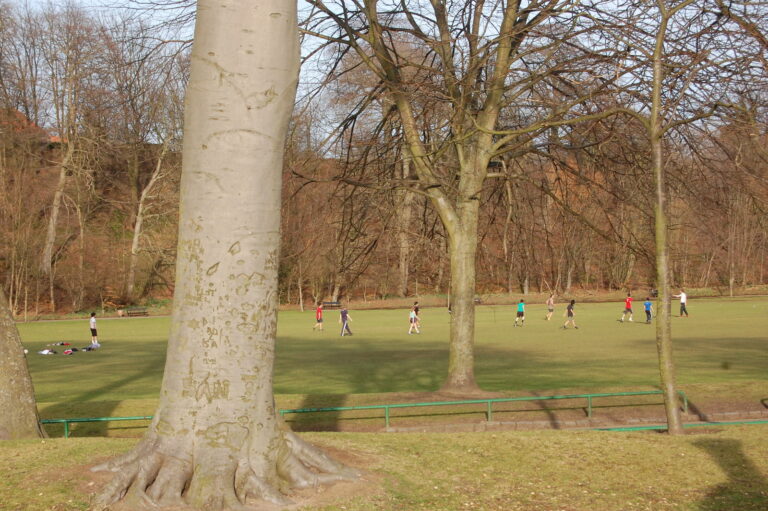
The rise of football in Britain coincided with one of the great social innovations of the nineteenth century – the creation of public parks.

Topics

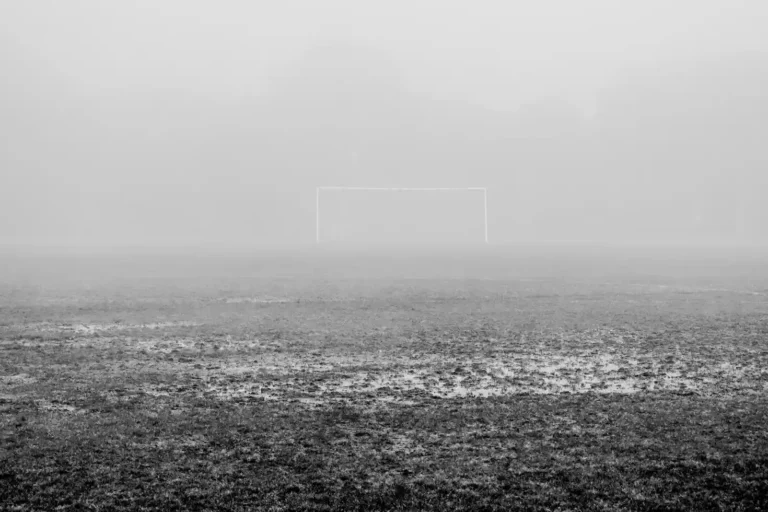
The first football pitches of the 1800s were scythed or grazed but over time evolved into highly maintained landscapes incorporating drainage, heating and new technology such as Astroturf

Topics

Landscape Design Consultant John Harris recounts his career in Wigan Council’s Landscape Department helping to design and maintain designed landscapes