Search

Horatio’s Garden and the Legacy of Restorative Landscapes

How centuries of therapeutic garden design have shaped the way we understand recovery today

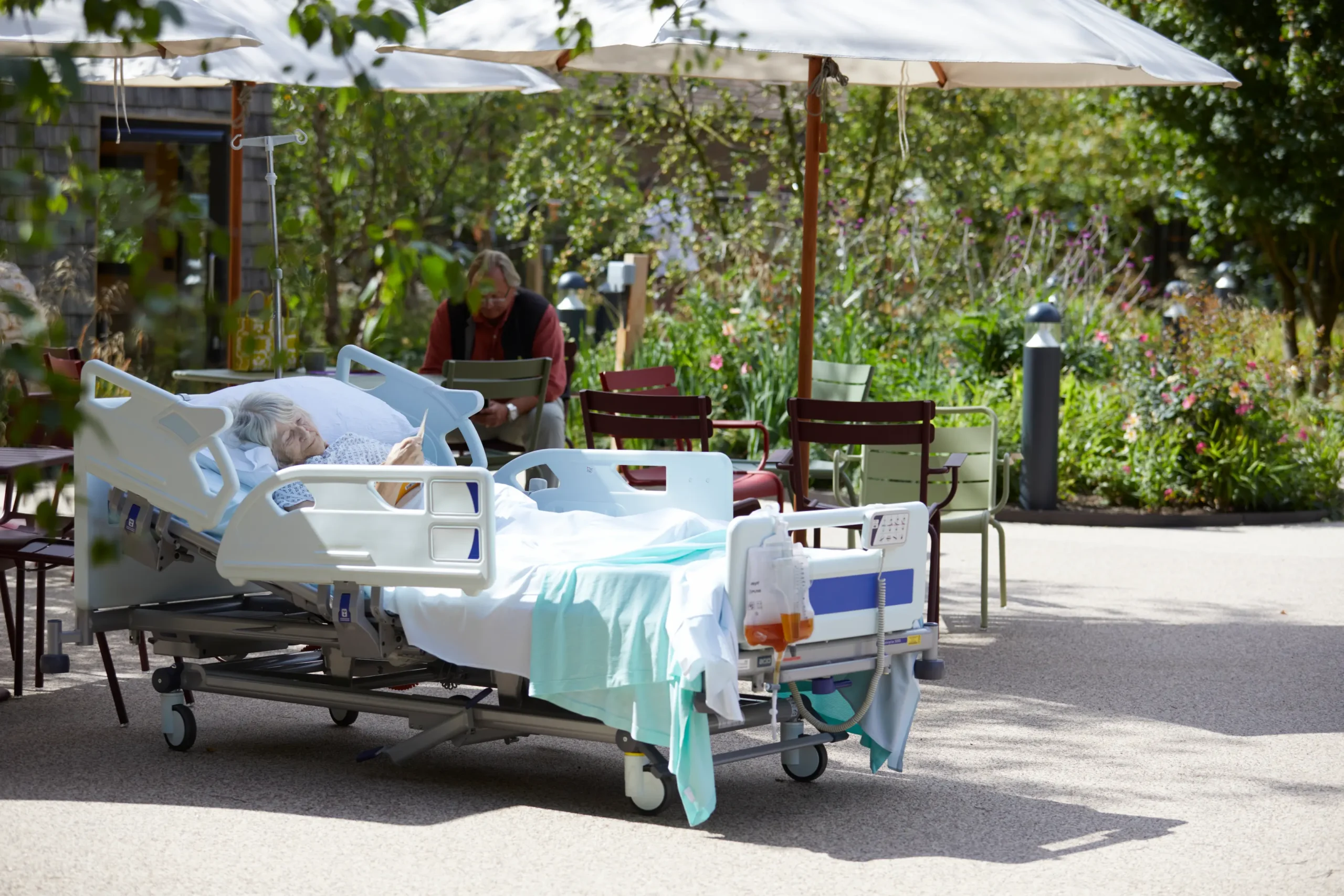
Horatio’s Garden supports the recovery and wellbeing of people with spinal injuries within NHS healthcare settings

The story of Horatio's Garden

Tucked within the grounds of NHS spinal injury centres across the UK, Horatio's Garden represents more than a contemporary healthcare initiative. It is part of a historical narrative about how gardens and designed landscapes have shaped ideas of care, recovery and wellbeing.

The charity was founded in memory of Dr Olivia Chapple’s son, Horatio, who volunteered at the Duke of Cornwall Spinal Treatment Centre in Salisbury. During this time, he observed the limited access patients had to outdoor space and began to develop the idea of creating a dedicated garden within the hospital grounds. Following his death at the age of 17, Horatio’s family established the charity to continue his vision and commitment to improving patient environments. Today, Horatio’s Garden creates beautiful, accessible, carefully designed landscapes that support the recovery and wellbeing of people with spinal injuries within NHS healthcare settings.

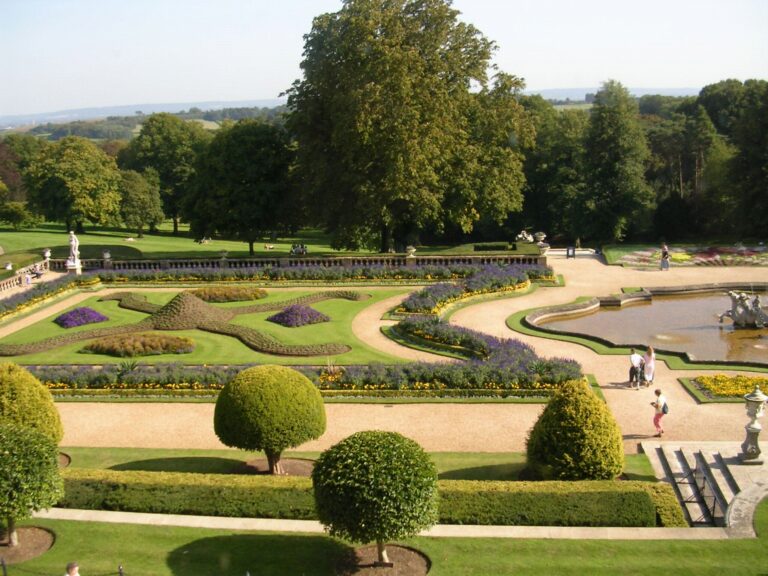
The role of historic gardens and landscapes is central to understanding why initiatives like this exist at all. Our expectations of what a “therapeutic garden” should be have evolved over centuries of design, practice, and medical understanding. From monastic cloister gardens designed for contemplation and order, to the increasing integration of hospital grounds and convalescent landscapes in the 19th century, gardens have long been associated with recovery and restoration.
Therapeutic gardens in the 20th century

By the early 20th century, gardens were being more deliberately incorporated into rehabilitation environments, where access to fresh air, structured outdoor activity, and horticultural work were understood as part of recovery.

This period helped consolidate many of the ideas that still underpin therapeutic landscape design today: that environment matters, access to nature supports wellbeing, and that recovery is shaped by more than clinical treatment alone.

What has changed is not the underlying belief that nature supports recovery, but the sophistication with which it is applied. Contemporary therapeutic landscapes are no longer simply green settings for rest; they are carefully designed environments that consider movement, autonomy, sensory experience and social interaction as part of the healing process.

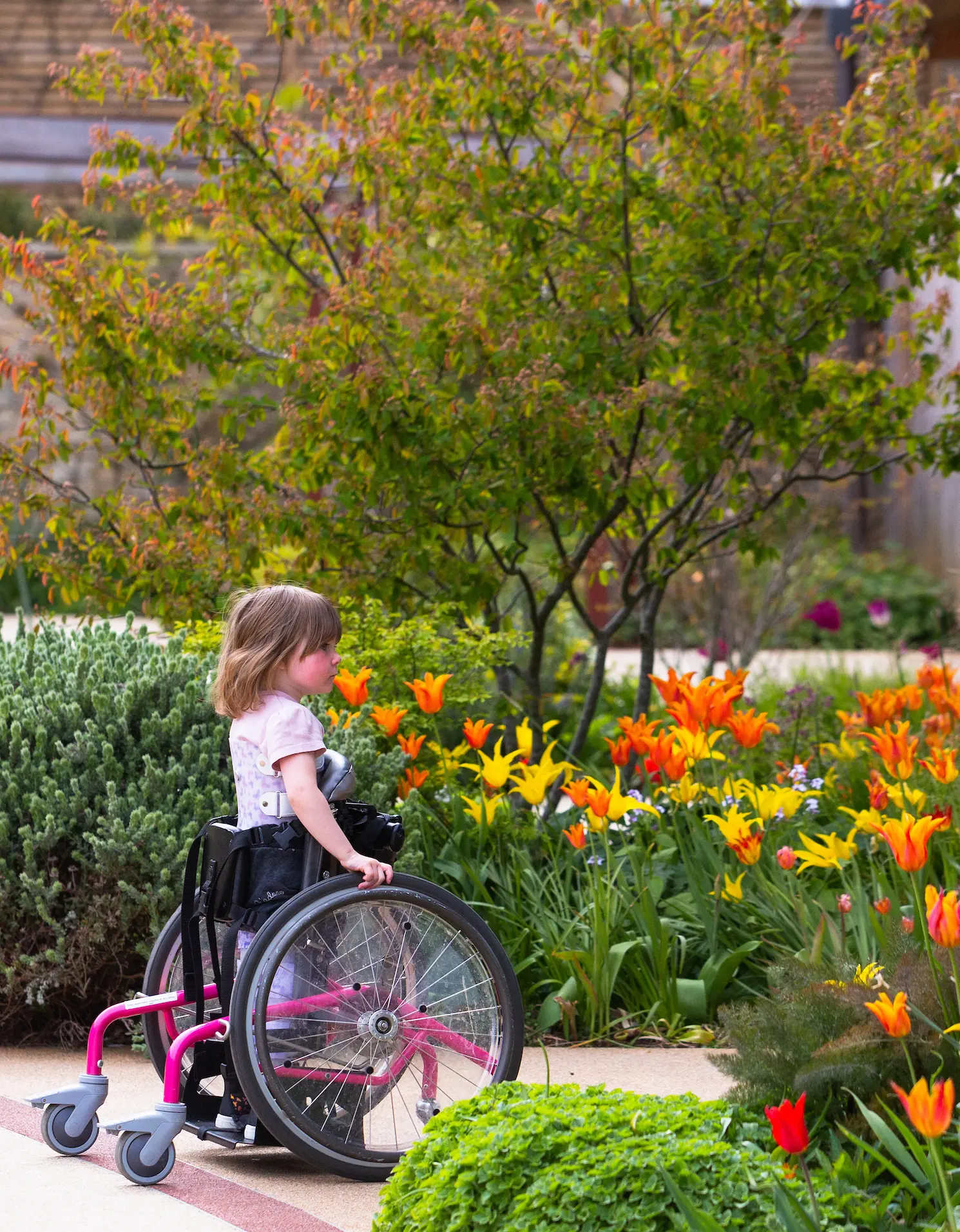
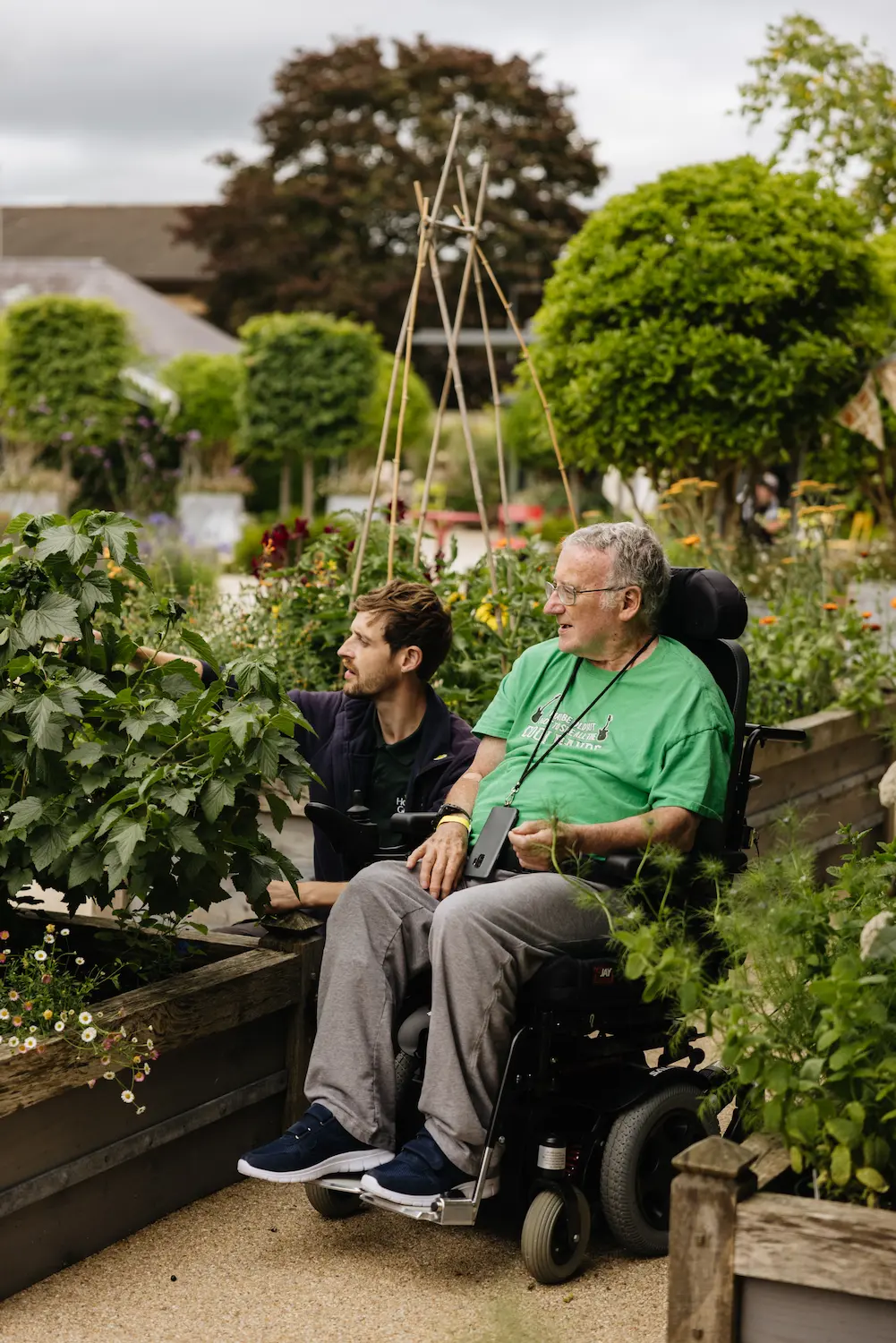
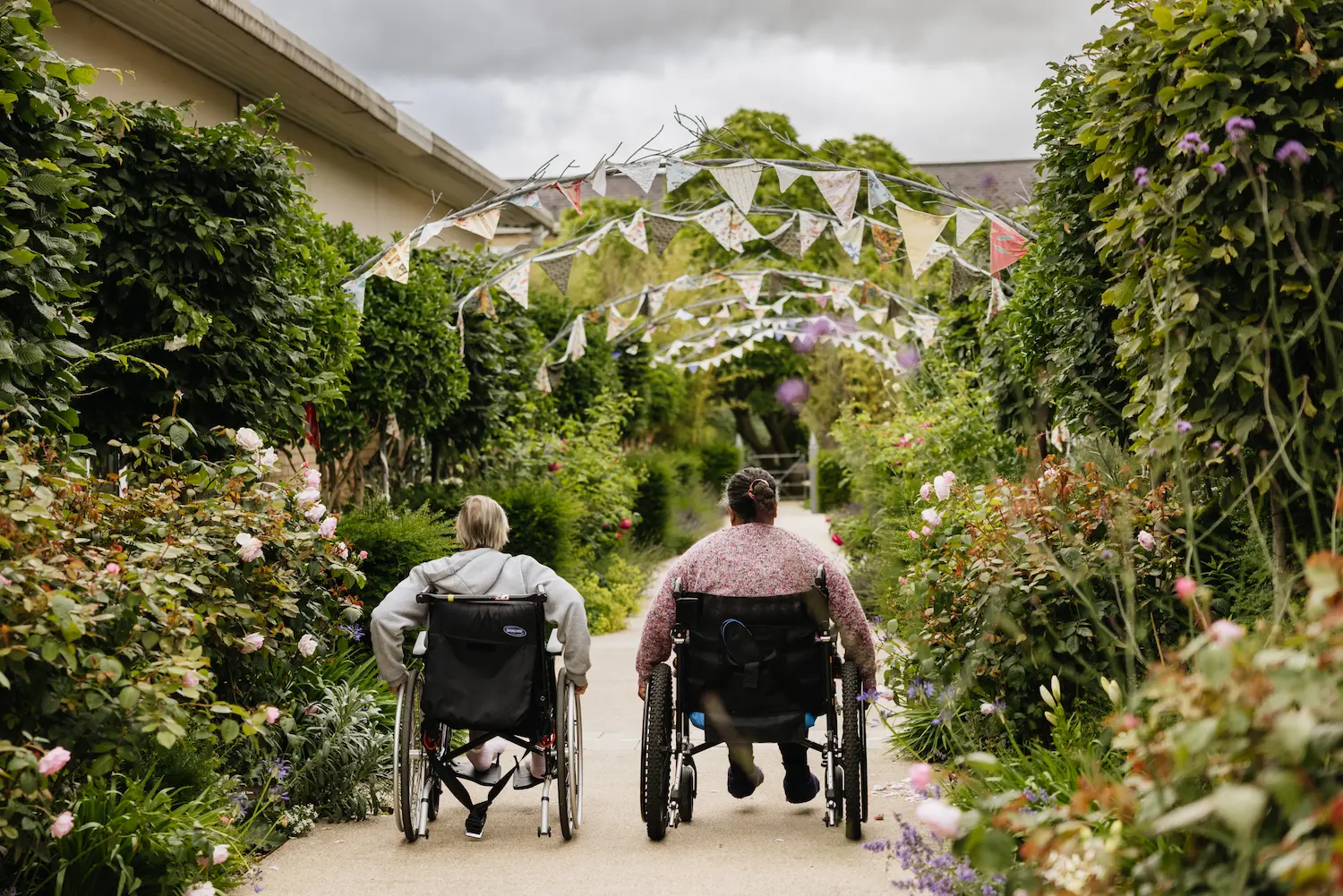
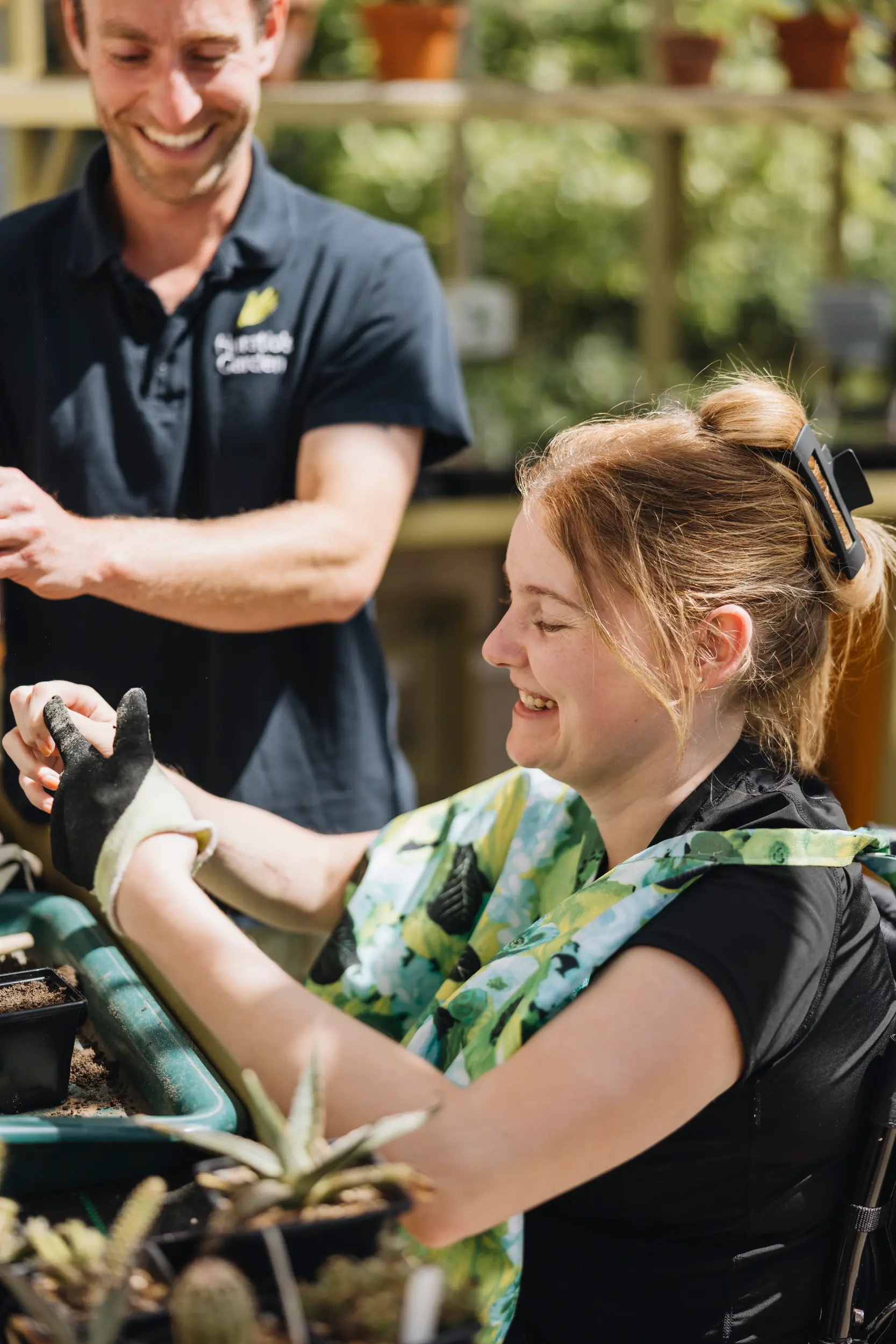
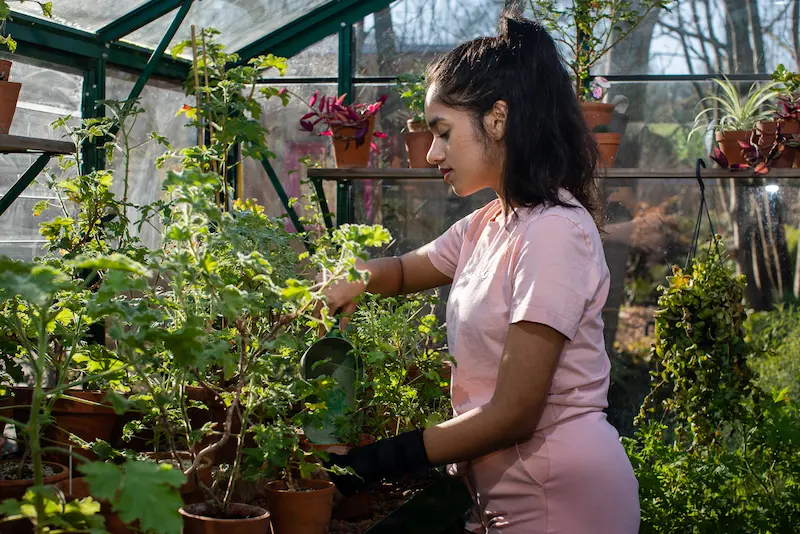
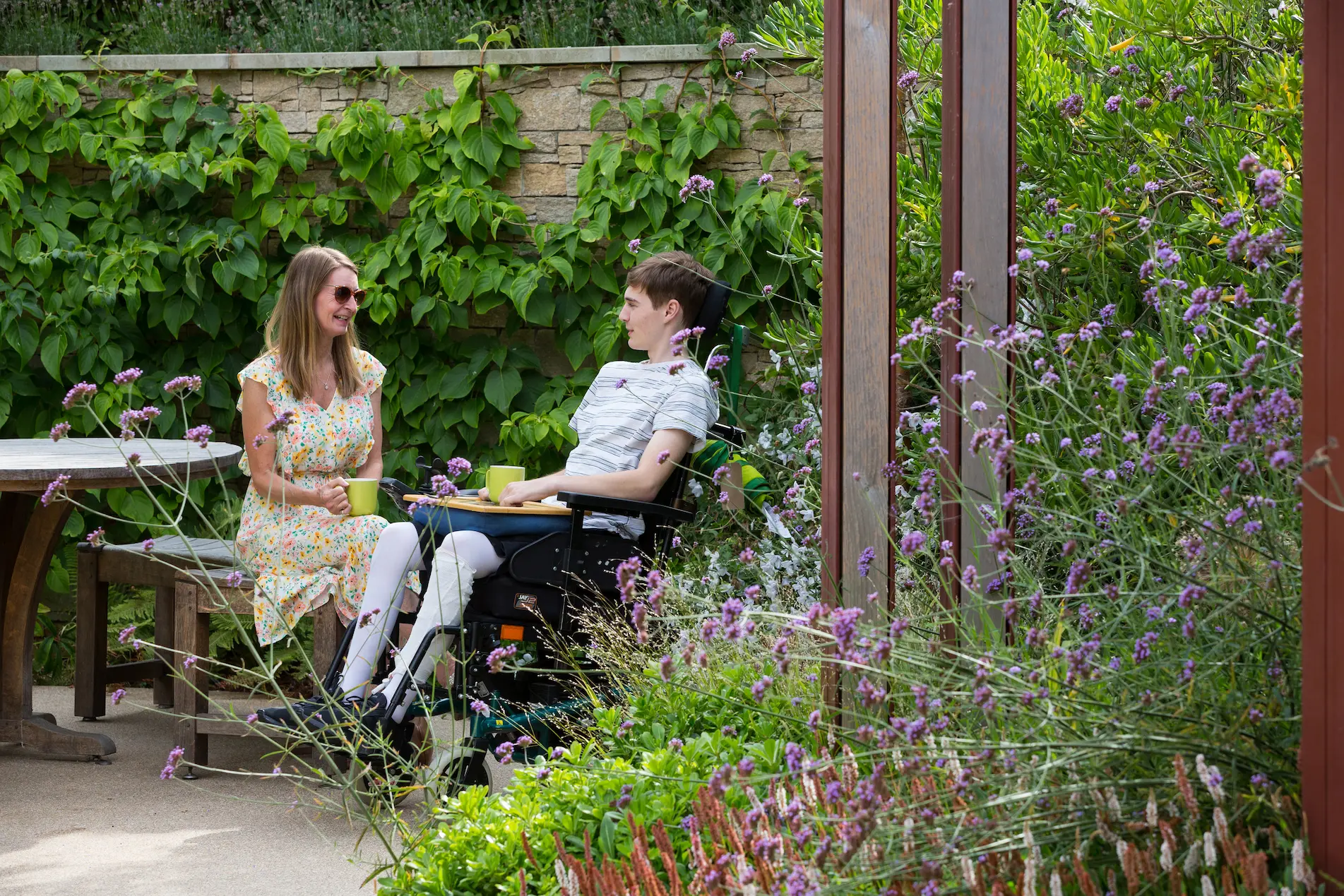
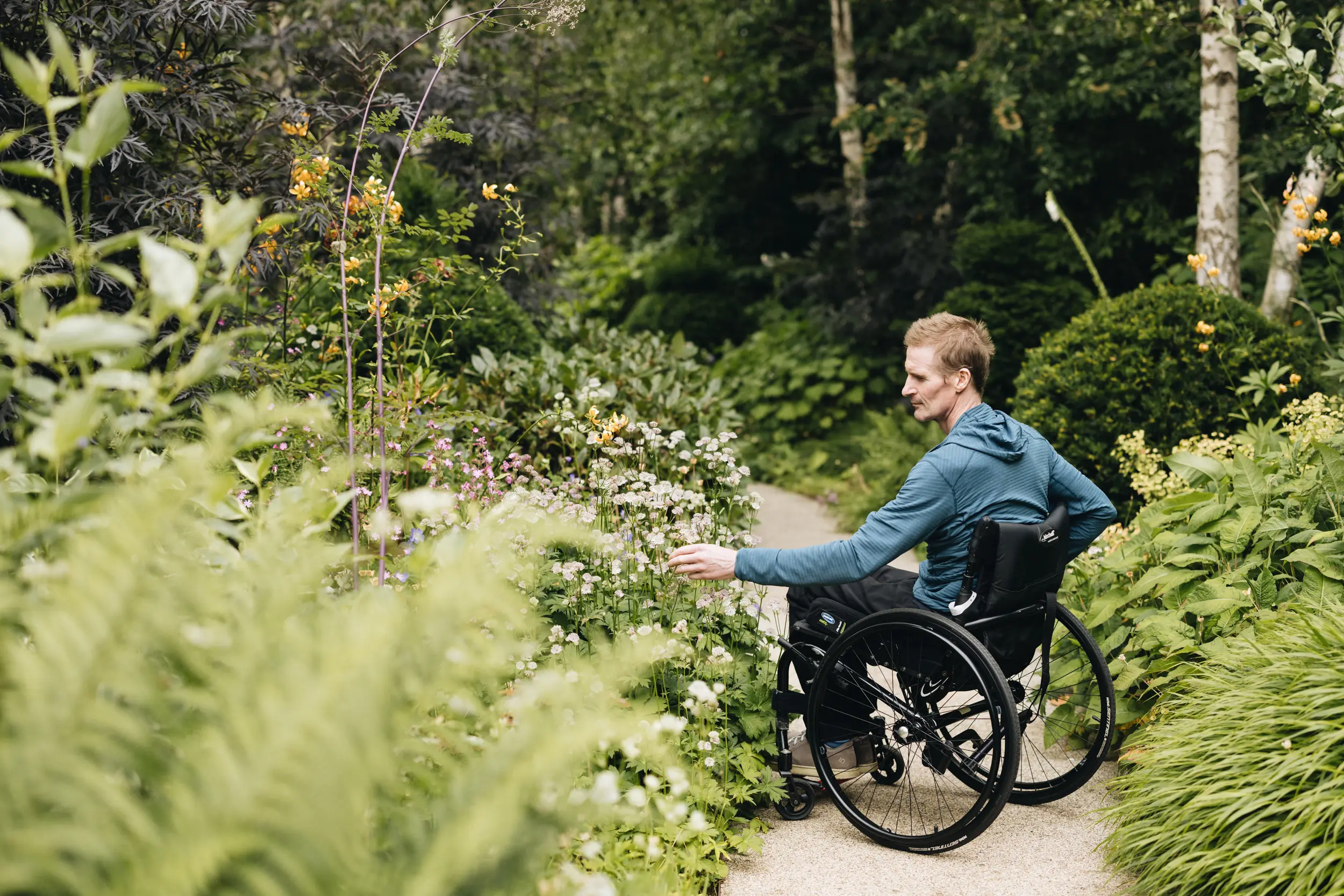
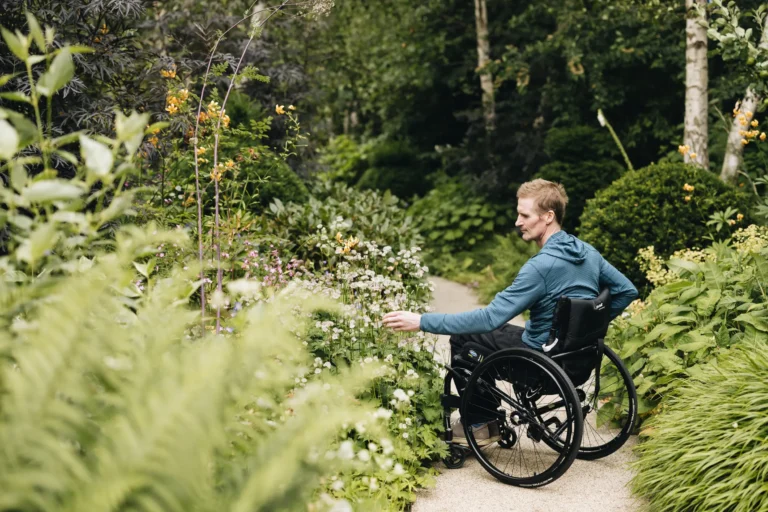
Horatio’s Garden reflects this accumulated understanding. Each garden is designed by leading landscape architects and tailored to its specific hospital setting. Level, accessible paths ensure that people in wheelchairs and beds can move freely through the space. In contrast, raised planting beds allow people to engage directly with gardening from a seated position. Planting schemes are carefully composed to provide year-round structure and seasonal change, with a strong emphasis on scent, texture and colour.

Importantly, these gardens are designed for flexible use. They support quiet reflection, informal conversation and shared time between patients, families, and staff.

The impact of Horatio's Garden

The adaptability of Horatio's Garden reflects a more contemporary understanding of recovery as something individual, non-linear and shaped as much by environment and experience as by clinical treatment.

“We know how essential it is for people to have transformative gardens right outside their hospital wards. A spinal injury can happen to anyone at any time and the results are life-changing and devastating. People typically spend between three to nine months in a specialist spinal injury centre and are 56% more likely to experience mental health issues.

Our research shows that restorative gardens make a real difference – 100% of people with a spinal injury reported improved wellbeing from spending time in our gardens, demonstrating how critical they are for people’s health. Everyone needs a place for reflection and adjustment, privacy and solace, joy and companionship, particularly people facing extraordinarily challenging times.” – Katie Tait, CEO of Horatio’s Garden

There is also a subtle continuity with earlier commemorative and convalescent landscapes. While Horatio’s Gardens are not memorials, they share an awareness of recovery as a gradual process, and of landscape as a medium through which change can be experienced over time.

Gardening itself – planting, tending, waiting – offers a quiet parallel to rehabilitation, where progress is often incremental and uneven.
Seen in this way, Horatio’s Garden is not an isolated innovation, but part of a long continuum in which landscapes have been designed, consciously or otherwise, to support human wellbeing. It reflects how historic approaches to gardens and green spaces continue to shape how we design for care today – quietly embedded in the expectations we bring to contemporary therapeutic landscapes.

To find out more and support Horatio’s Garden, visit horatiosgarden.org.uk

Horatio’s Garden and the Legacy of Restorative Landscapes

Topics

Gardens Trust Trustee Chris Blandford OBE takes us on a tour of those with historic designed landscapes in the UK and the benefit this status brings

Topics

The idea that gardens can support healing is not a modern innovation, but a recurring theme within the history of designed landscapes.

Topics

Designed to improve our health and community cohesion, playgrounds began as ‘gymnasia’ for all to use.