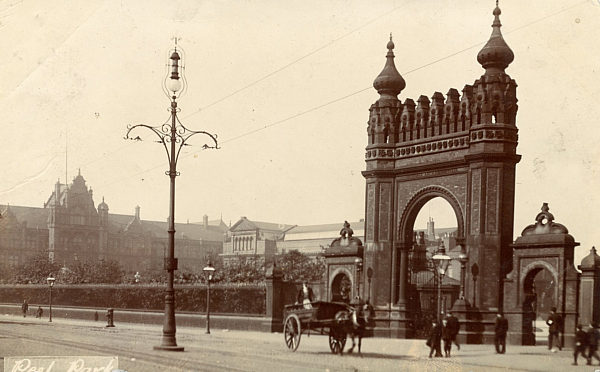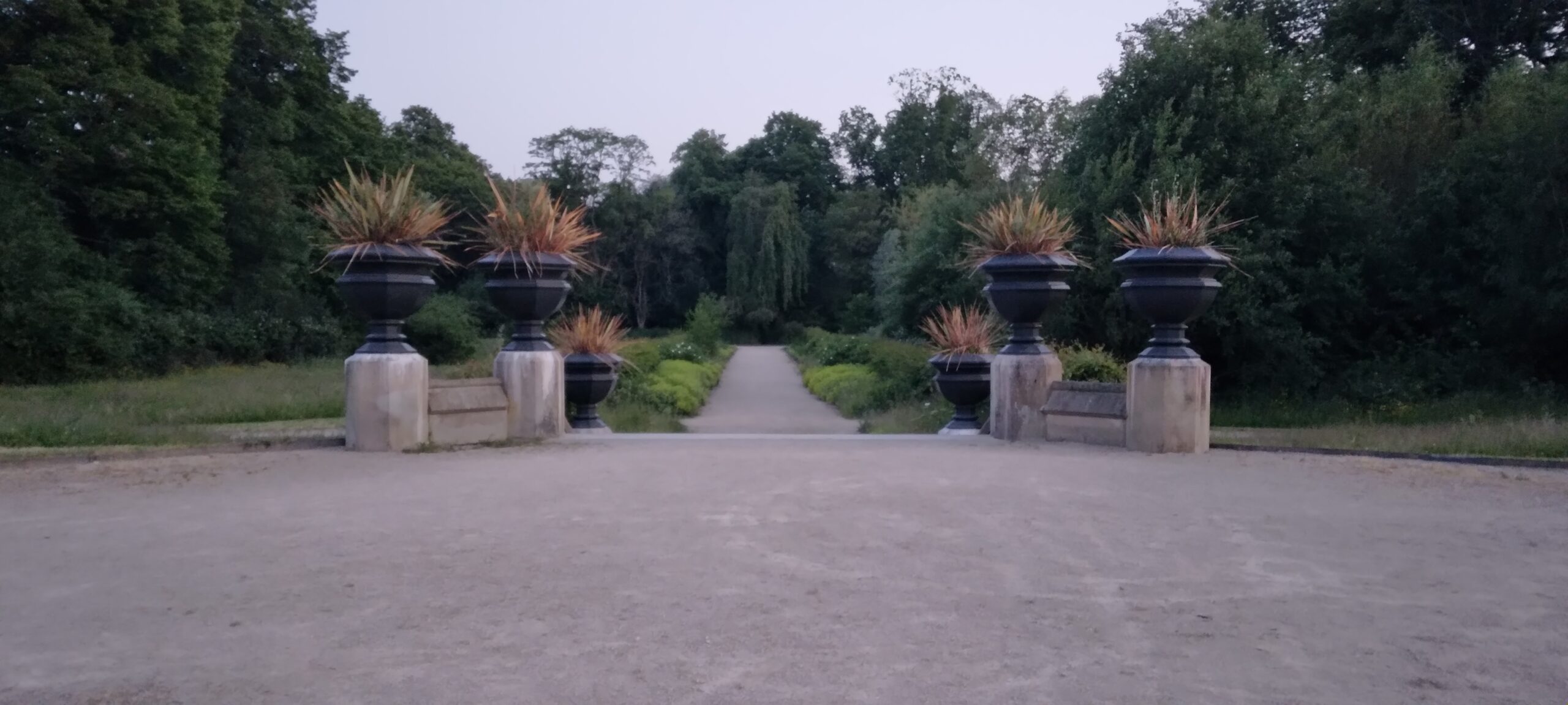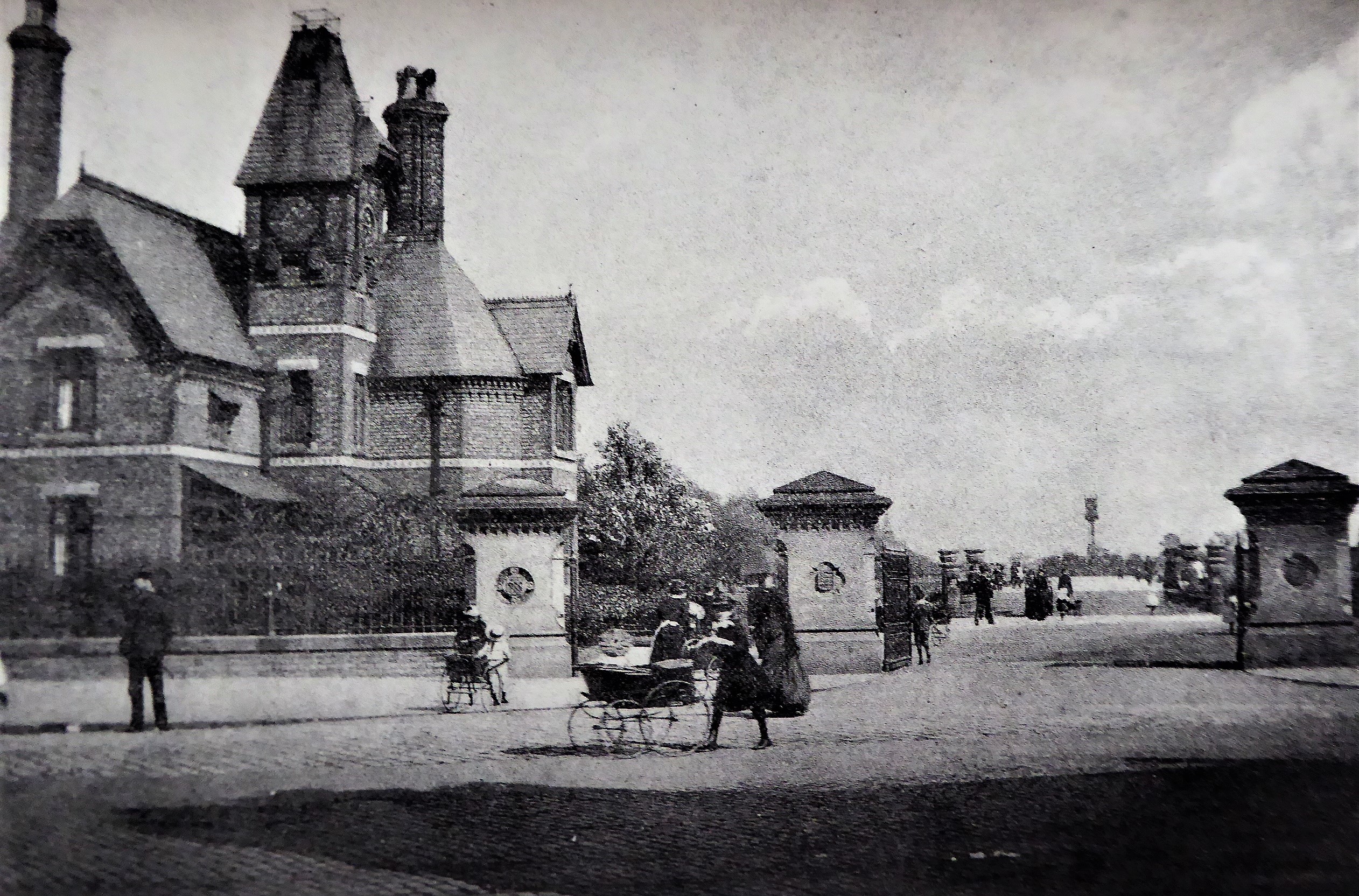
Yet one of the city’s most enduring innovations has been quietly shaping lives for almost two centuries.
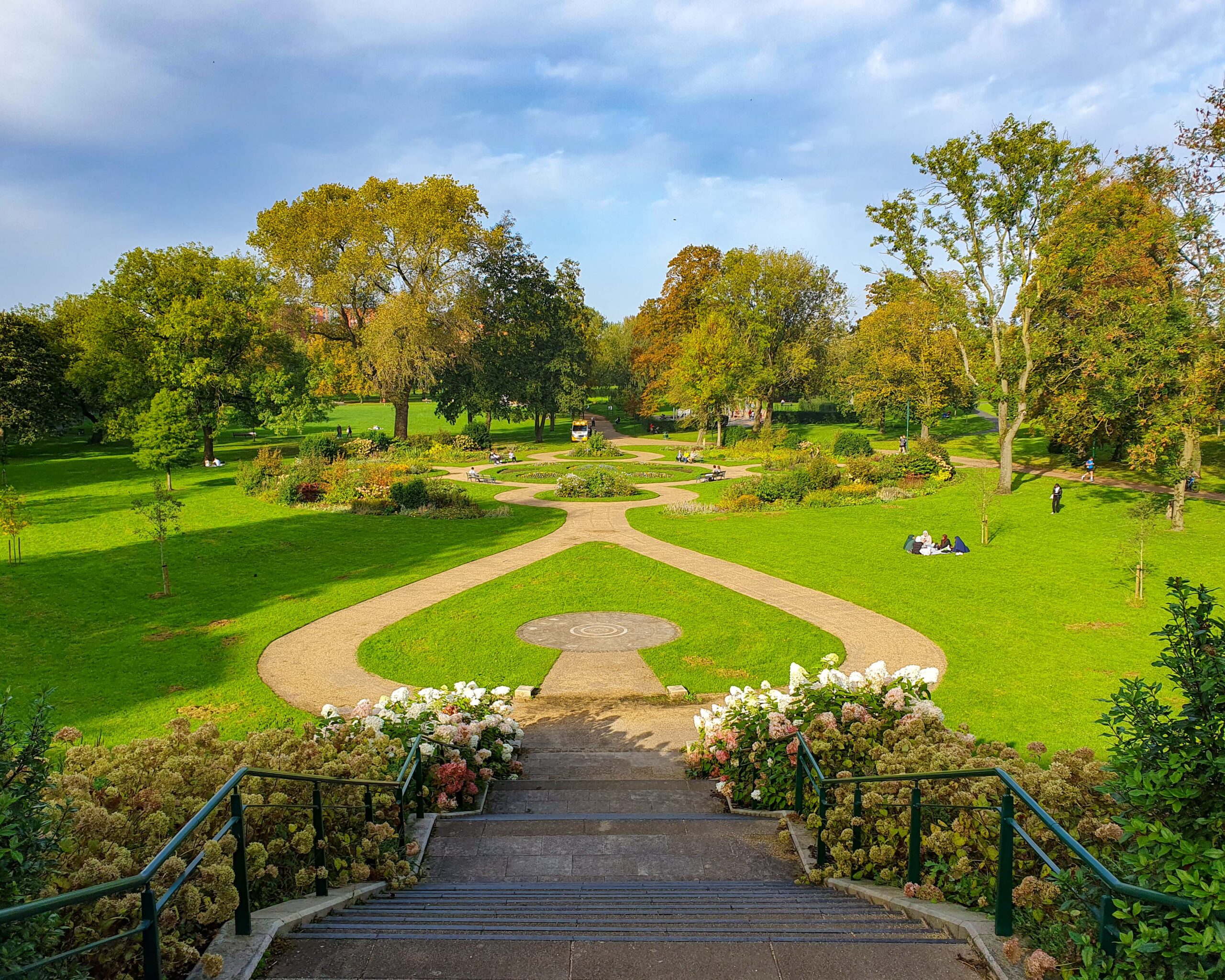
As factories multiplied and the population soared during the Victorian era, Manchester’s civic leaders increasingly recognised that a successful city needed more than industry, housing and transport. It needed parks.
These were never intended simply as attractive places to admire flowers or take a Sunday stroll. Manchester’s nineteenth-century parks were ambitious civic projects, created to improve public health, provide opportunities for recreation and bring communities together. They reflected a bold belief that access to beautiful, well-designed green spaces should be part of everyday urban life.
It is a vision that helped shape modern Manchester – and one that still feels remarkably relevant today.