Search

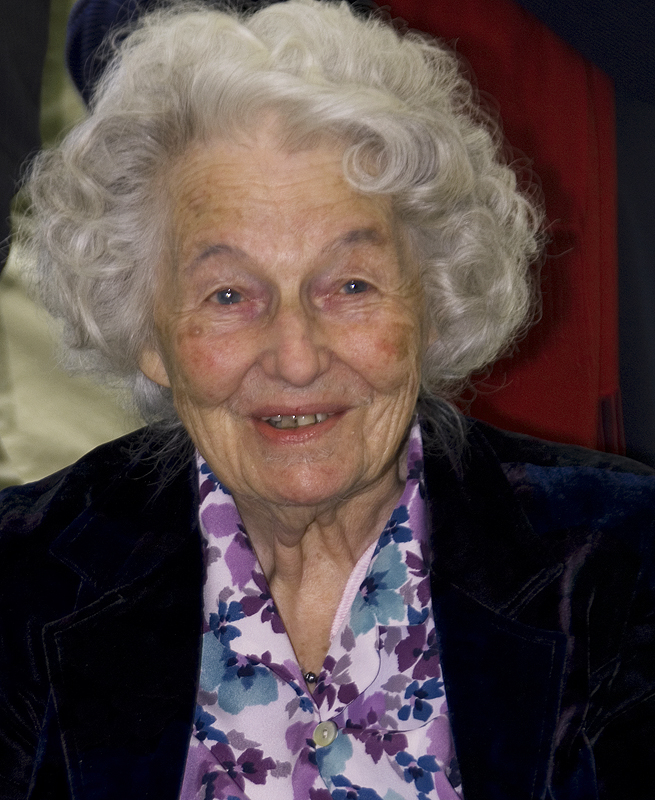
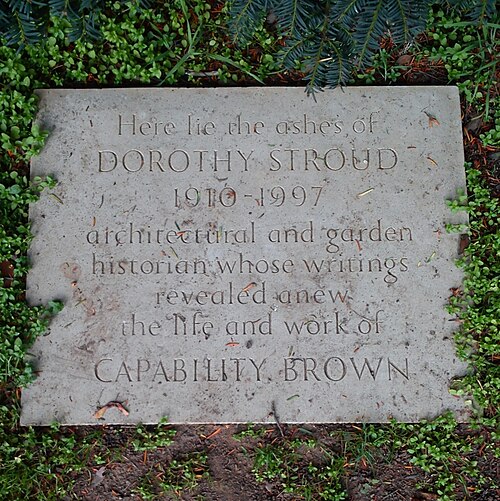
Dorothy Stroud

John Phibbs explores the life of this pioneering garden historian

Dorothy was an early advocate for Georgian heritage, and a ground-breaking biographer of Capability Brown and Humphry Repton.

Recording heritage in the face of war

Of course I cannot vouch for her record, 40 years after the event, but Dorothy Stroud used to tell me how she and her boss, John Summerson, used to bicycle frantically round London, from the beginning of the war, to record its buildings.

She made it sound exhilarating, but at the same time they were very clear-eyed, they were two people, more or less helpless, but doing whatever they could to secure some sort of record of their culture and heritage in the expectation that it would be blown up in the next night’s air raid.

She took the same stoicism to her pioneering work in recording the landscapes of Capability Brown and Humphry Repton. She, like many others, thought the Georgian country house and all it stood for likely to be utterly destroyed, and its values, particularly the values of Brown and Repton, to be not just destroyed but despised: Brown as a man with a single John Bull formula which he imposed willy-nilly on every place where he worked, Repton as ineffective, second-rate, oleaginous and forgettable.
A mad endeavour

So she spent her nights writing countless letters to countesses, asking if they had any evidence of Brown or Repton – plans, drawings, even a red book – and then, by bicycle and train, she made visits.

In stately drawing-rooms she interviewed stately ladies, who dressed in three fur coats to keep out the cold and had no tea. For each Dorothy had a story, and out of this mad endeavour, single-handedly, she established the novel idea that landscape is a worthwhile subject for intellectual inquiry, and so created the platform from which the whole movement of landscape conservation has built: hers are the first referenced lists of the works of Brown and Repton (still the source for most attributions to them), hers was the massive discovery of Brown’s accounts; hers the first 20th century biographies, and hers the first reassessment of Brown as a creative genius, and of Repton as an internationally significant figure.

Legacy

Her calm and authoritative scholarship masks the tragedy of her time; all the books on Brown and Repton written since then, including mine, have trodden thankfully in her footsteps.

  • Dorothy Stroud, Capability Brown, with an introduction by Christopher Hussey (London: Country Life, 1950)
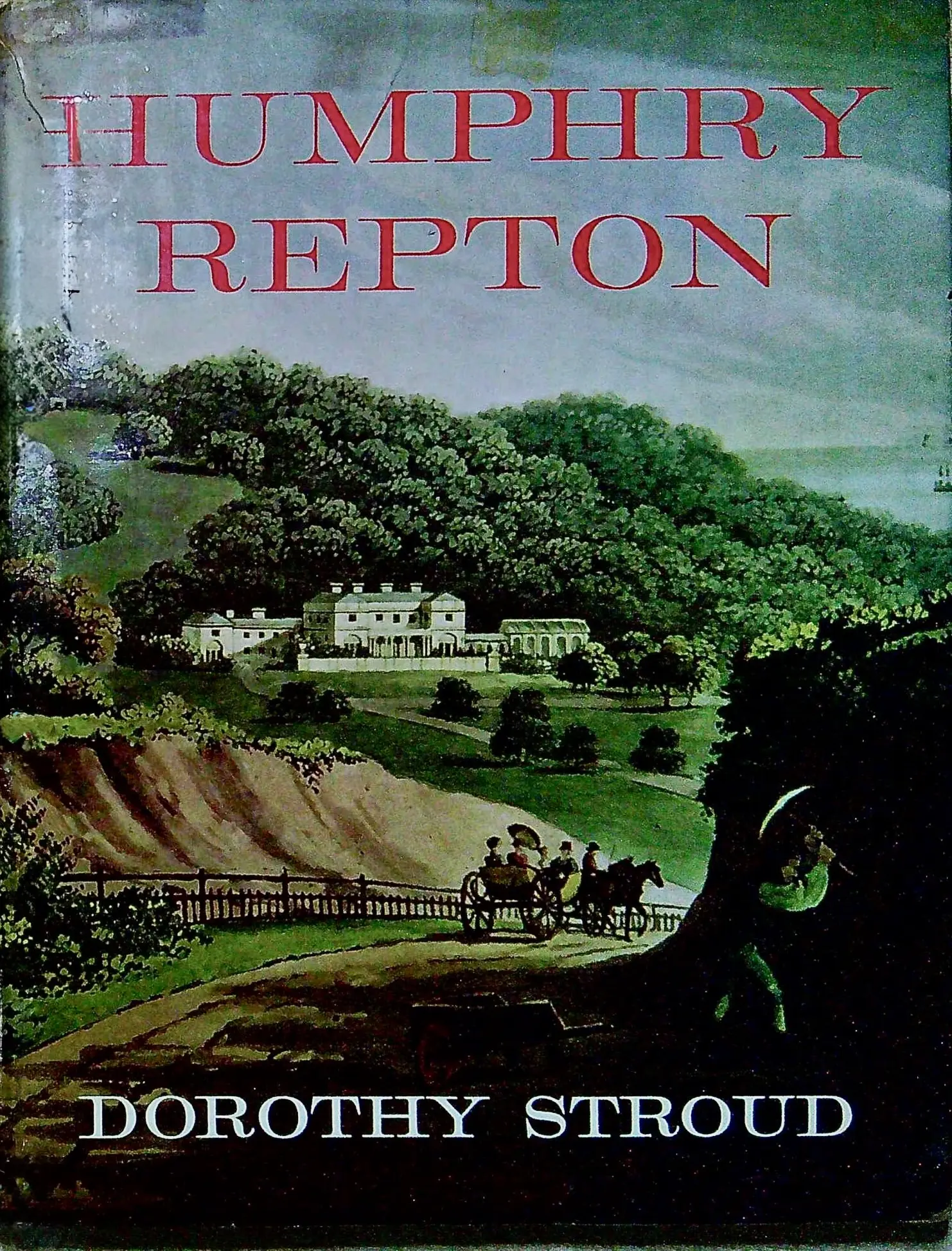
  • Dorothy Stroud, Humphry Repton (London: Country Life, 1962)


About the author

John Phibbs MBE is an eminent garden historian, landscape management consultant and author of four books on 18th-century landscape.

Topics

Not every important landscape has a celebrated designer. Some survive, for a while, in the names of leaves and in the memories of people who tended them.

People

In the late 17th century, Mary Somerset, Duchess of Beaufort, described gardening as her “innocent diversion”, yet this apparently genteel pastime became an ambitious enterprise of cultivation, collecting and botanical investigation.

Places / Topics

A personal account of visiting and witnessing the remarkable restoration of one of England’s finest 18th-century landscape gardens by Tony Mott

Topics

The Inventory is a freely available online resource dedicated to recording and understanding Suffolk’s rich and varied historic gardens, parks and designed landscapes.

People

After her career as a World War II codebreaker, Mavis went on to be at the forefront of the movement to protect historic designed landscapes, helping to ensure the survival of many important gardens for the future.

Topics

Gardens Trust Trustee Chris Blandford OBE takes us on a tour of those with historic designed landscapes in the UK and the benefit this status brings