Search

A History of Italian Influence on English Gardens

Eleonora Tonon explores centuries of shared design

English gardens have been deeply intertwined with Italian design since Roman antiquity, evolving through Tudor symmetry, classical 18th-century revivalism, and Victorian geometric formalism.

The Inseparable Art of Italian and English Gardens

In the Exhibition on the Italian Garden (Mostra del Giardino Italiano), held at Palazzo Vecchio in Florence in 1931, its executive chairman Ugo Ojetti made a bold claim when contrasting the art of the English garden with that of the Italian garden; declaring the latter to be the only true-and thus superior-art form.

In truth, ever since ancient Roman times, the art of English gardens and that of Italian gardens were inseparable, tightly bound by the same thread. Italian gardens officially crossed the Channel in A.D. 43 with Emperor Claudius, who formally annexed Britannia to the Roman Empire. Roman gardens, with their symmetry, and ars topiaria—that is, topiary—influenced, in various waves, English gardens over the centuries to come. One need only think of the Tudors’ gardens in the Renaissance, so steeped in Italian forms—at least until the Anglican schism of 1533, when England began to close itself off from the Catholic world.

Mediterranean Arcadia

The 18th century was the golden age of the English garden.

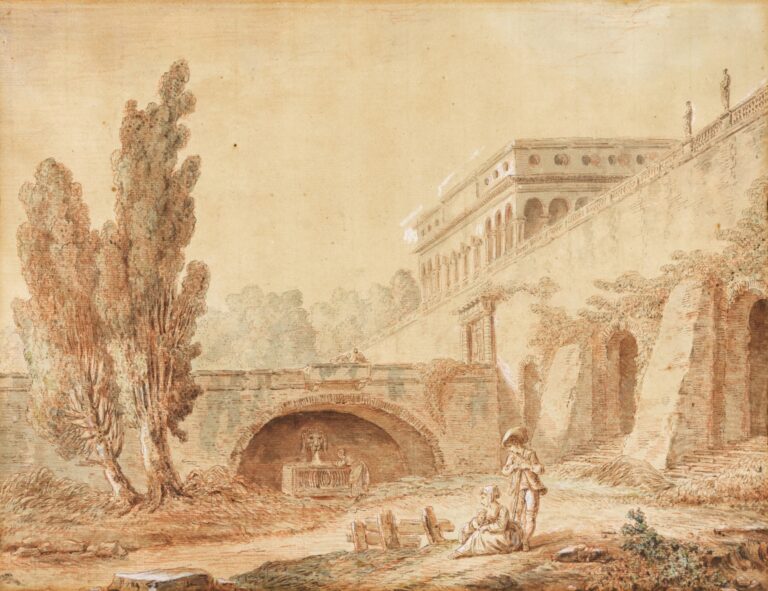
Perhaps surprisingly, English landscape architects looked to the lost Mediterranean world of Arcadia as their muse: the reinterpretation of classical texts (Cato, Varro, Vitruvius, Columella, Ovid, Virgil, Cicero, Horace—and the list could go on) was the lens through which British society evoked a classical world, both in architecture and in the landscape. Meanwhile, the northern Italian architect Andrea Palladio (1508–1580) became an icon and his architecture became a political and propagandistic manifesto for the House of Hanover.

The Italian style returned (if it had ever really left at all) in the early 19th century, with the proto-gardenesque taste of Humphry Repton (1752–1818). This flamboyant landscape gardener (one of the first to adopt that title) promoted among the British bourgeoisie a return to the domestic garden, an outdoor space arranged in terraces, decorated with urns and pedestals and adjacent to the home, where any family member could pleasantly stroll, sip tea, and enjoy the fresh air.

Cecil Pinsent (1884-1963)

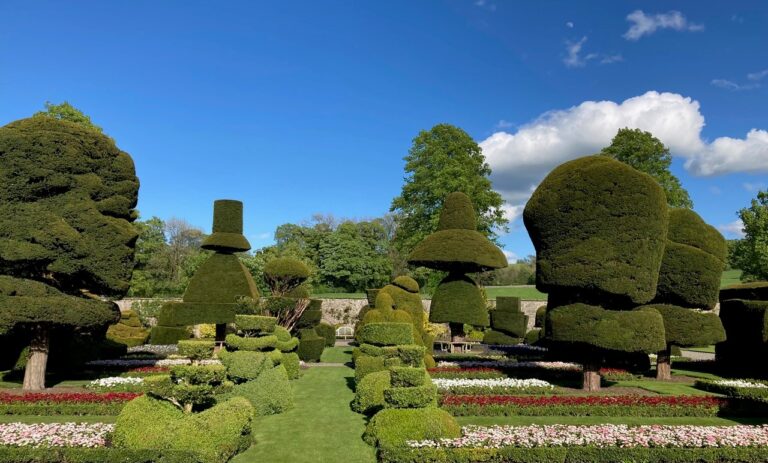
Italian formalism was not, however, absent even in Victorian gardens, where symmetry and strict geometric design emerged in dramatic flights of steps, perspectival avenues, and a marked taste for topiary.

By the time Cecil Pinsent (1884–1963) was born at the end of the nineteenth century, the Arts and Crafts movement sought to recover more orderly gardens, shaded by pergolas, with a few steps connecting the green spaces—elements typical of early Renaissance gardens, exemplified by the well known woodcuts of the illustrated Renaissance novel Hypnerotomachia Poliphili (Francesco Colonna, 1499).

A History of Italian Influence on English Gardens

Places

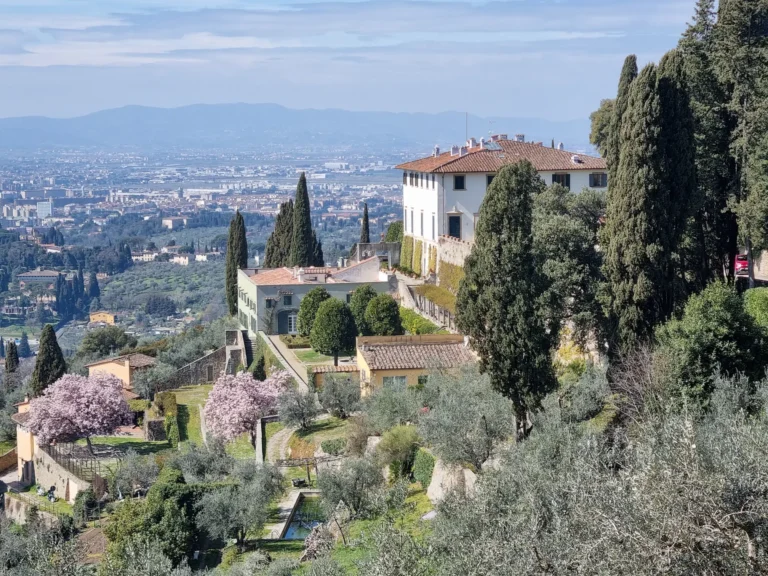
Eleonora Tonon takes us on a tour of Cecil Pinsent’s famous 20th Century gardens in Tuscany, from their inspiration to their creation.

People

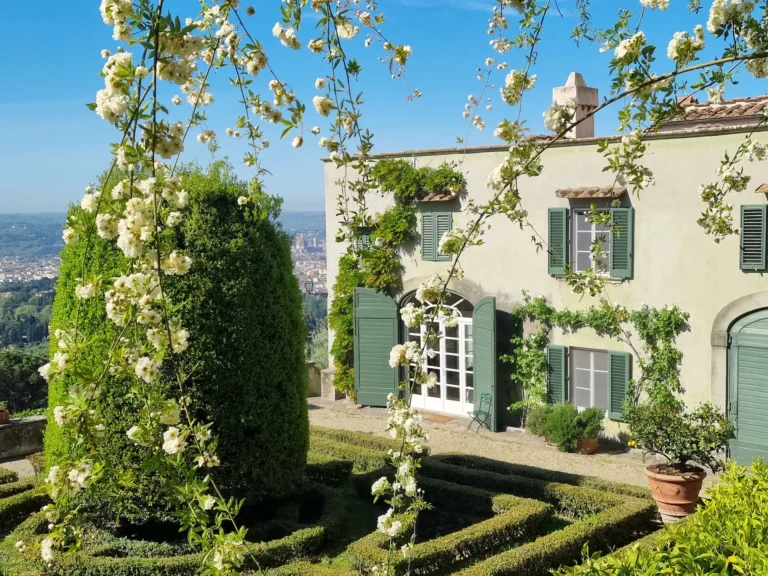
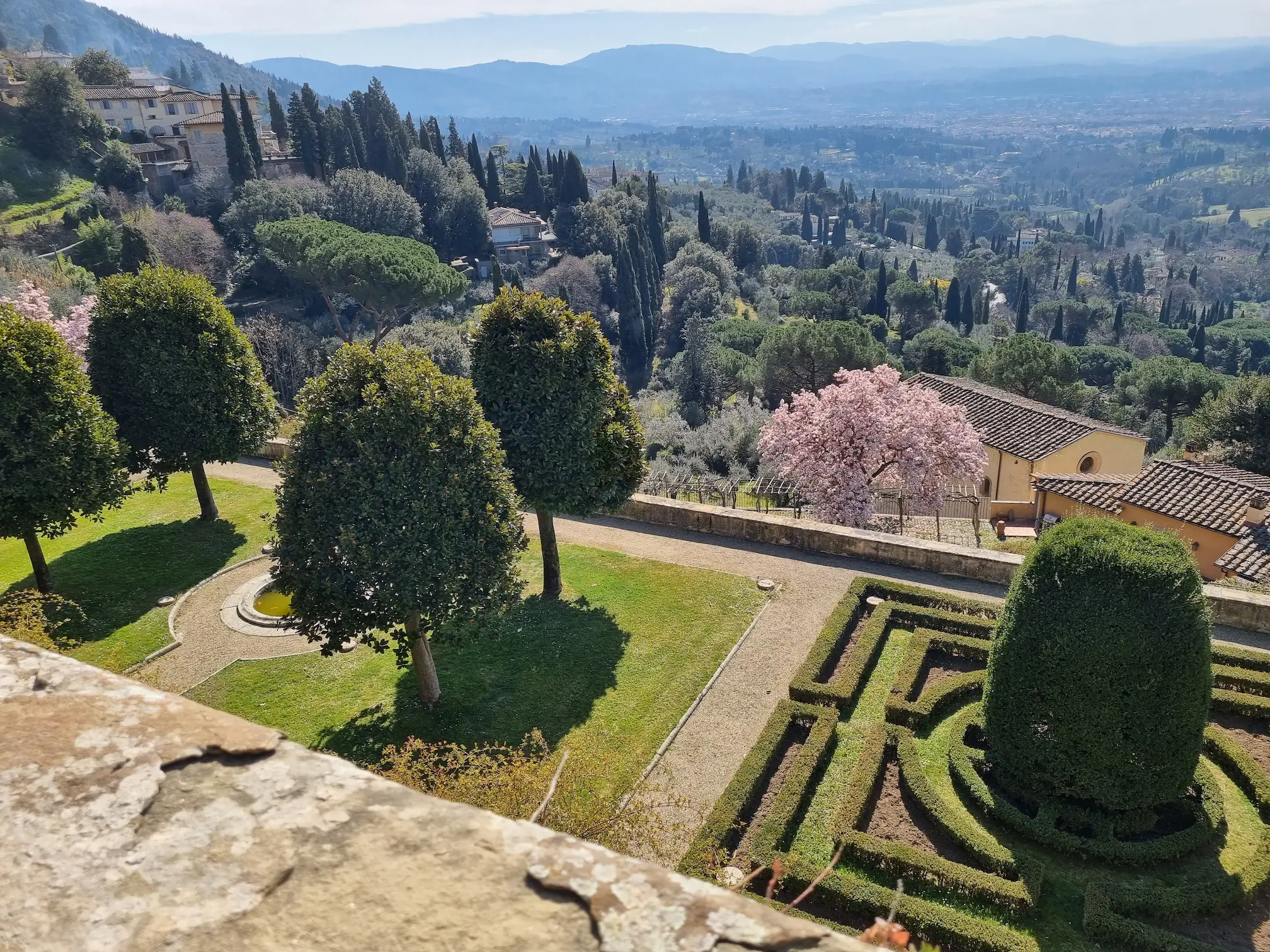
Cecil Pinsent trained in London before settling in Florence, where he created symmetrical, geometrically ordered Tuscan gardens for the vibrant local Anglo-American expatriate community.

Places

When she created East Lambrook Manor Garden, from a farmyard and a rubbish heap, Marjorie Fish developed a new cottage garden style that had a huge influence on garden owners of the time and is still relevant today