Search

Gardens for Healing

The Historical Roots of Therapeutic Garden Design

The idea that gardens can support healing is not a modern innovation, but a recurring theme within the history of designed landscapes.

A history of therapeutic gardens

Long before the term therapeutic garden design was coined, gardens were created and adapted in response to changing medical theories, social needs and cultural understandings of wellbeing.

Early connections between gardens and medicine can be traced to medieval monastic communities. Monasteries frequently maintained physic gardens containing medicinal herbs used in treatments, while cloister gardens offered calm, enclosed spaces where the sick could rest and recuperate. These carefully ordered environments reflected a broader belief that physical and spiritual well-being were closely linked. The garden was not simply productive; it was a setting that could nurture both body and mind.

By the eighteenth and nineteenth centuries, evolving medical theories began to emphasise the importance of environment in health. Fresh air, sunlight and access to nature were increasingly regarded as essential elements of recovery. As a result, hospital and institutional landscapes were designed to include open grounds, tree-lined walks and sheltered seating areas where patients could spend time outdoors.

Victorian reformers played a particularly significant role in promoting this approach. Figures such as Florence Nightingale argued that environmental conditions—light, air, cleanliness and surroundings—were critical to patient recovery. Hospital wards were therefore designed with large windows and ventilation, while outdoor spaces were incorporated into institutional planning. Garden terraces, airing courts and carefully maintained grounds allowed patients to walk, rest and experience the restorative qualities of nature. At St Thomas’ Hospital in London, rebuilt following Nightingale’s principles in the 1860s, the integration of light-filled wards with access to fresh air and views across the Thames exemplified this approach to healing environments.

The nineteenth century also saw the development of landscaped grounds at asylums and convalescent institutions. These landscapes were often extensive and deliberately designed to provide calm, order and routine. Walking routes, gardens and productive landscapes were intended to support both physical activity and mental stability, reflecting a growing belief that interaction with nature could play a role in treatment.

Wartime Gardens

The First World War marked another important chapter in the history of therapeutic landscapes.

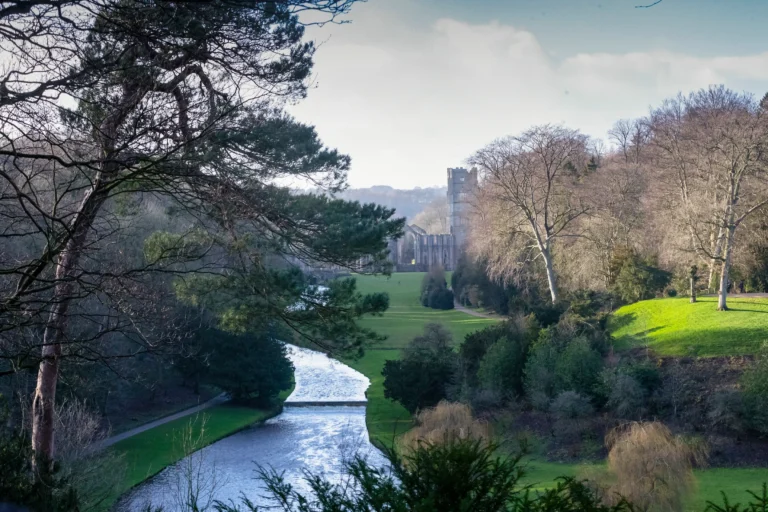
Thousands of injured soldiers required long periods of rehabilitation, and hospitals across Britain began to recognise the value of gardens and horticultural work in recovery. Gardening offered physical exercise, structure and psychological comfort for men coping with injury, trauma and displacement.

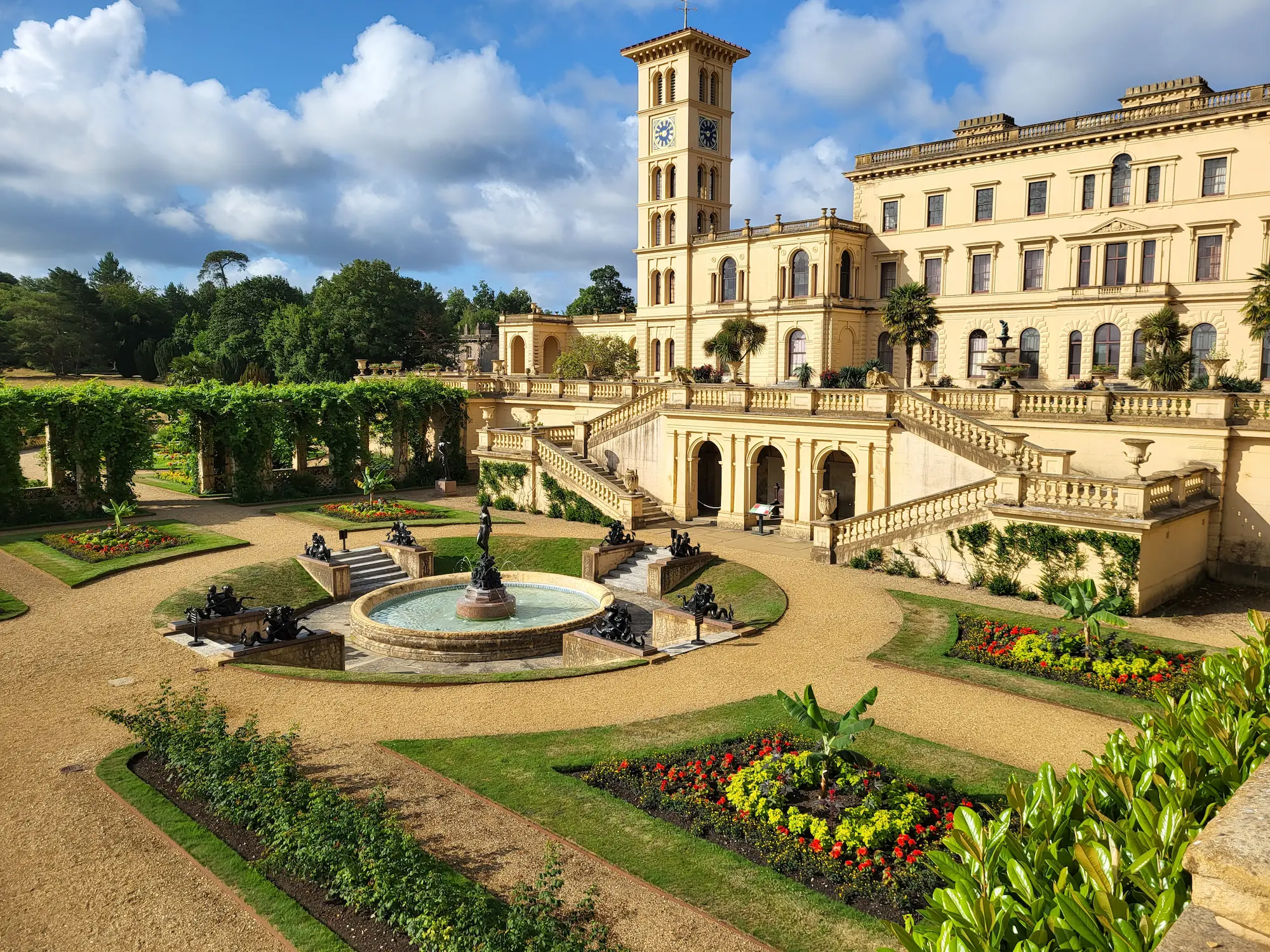
One notable example was the military hospital established at Osborne House on the Isle of Wight. Formerly the residence of Queen Victoria, the estate was converted into a convalescent hospital for officers during the war. Its terraces, gardens, and sea views provided a restorative setting for recovering soldiers, demonstrating how historic landscapes could support healing as well as heritage preservation.

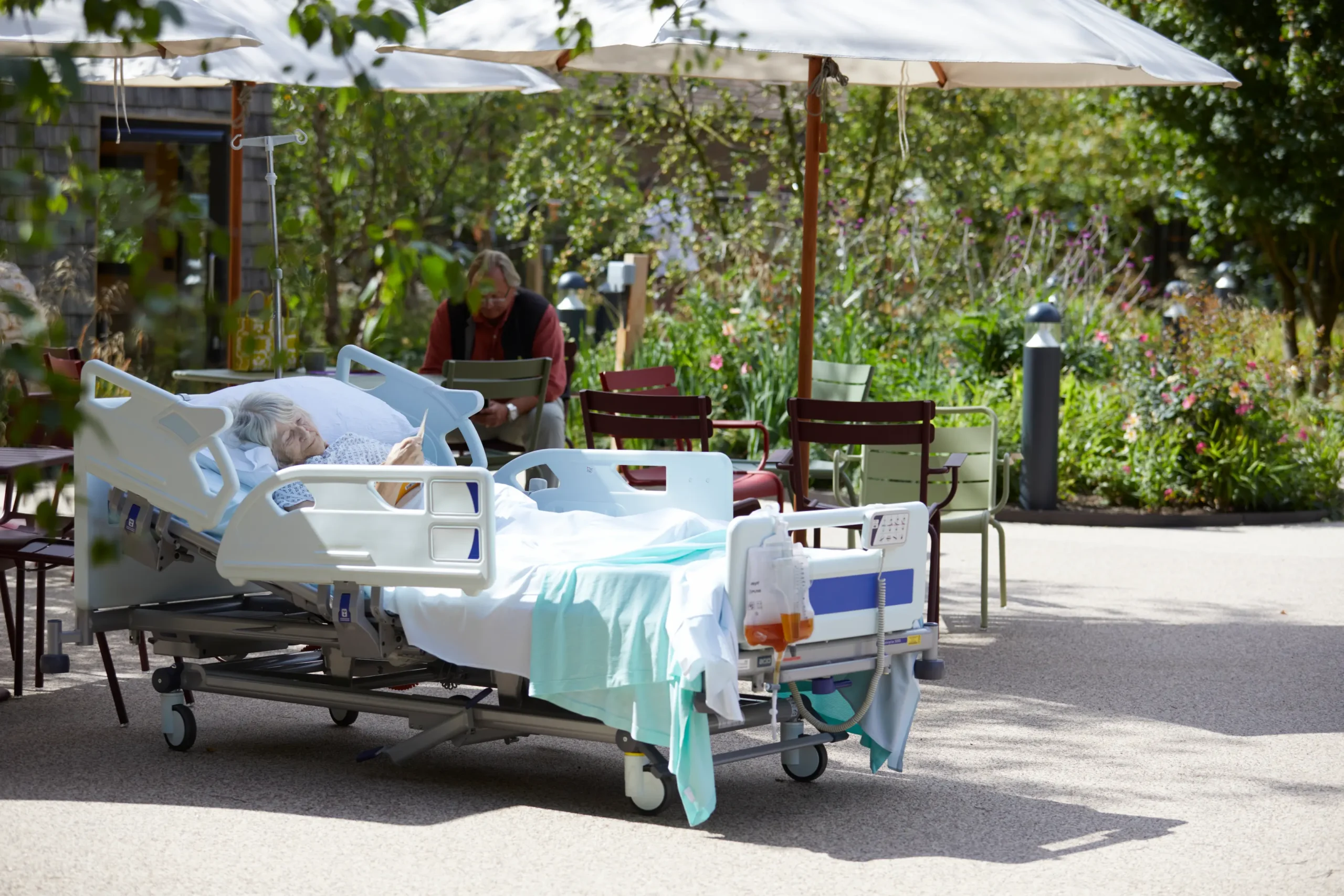
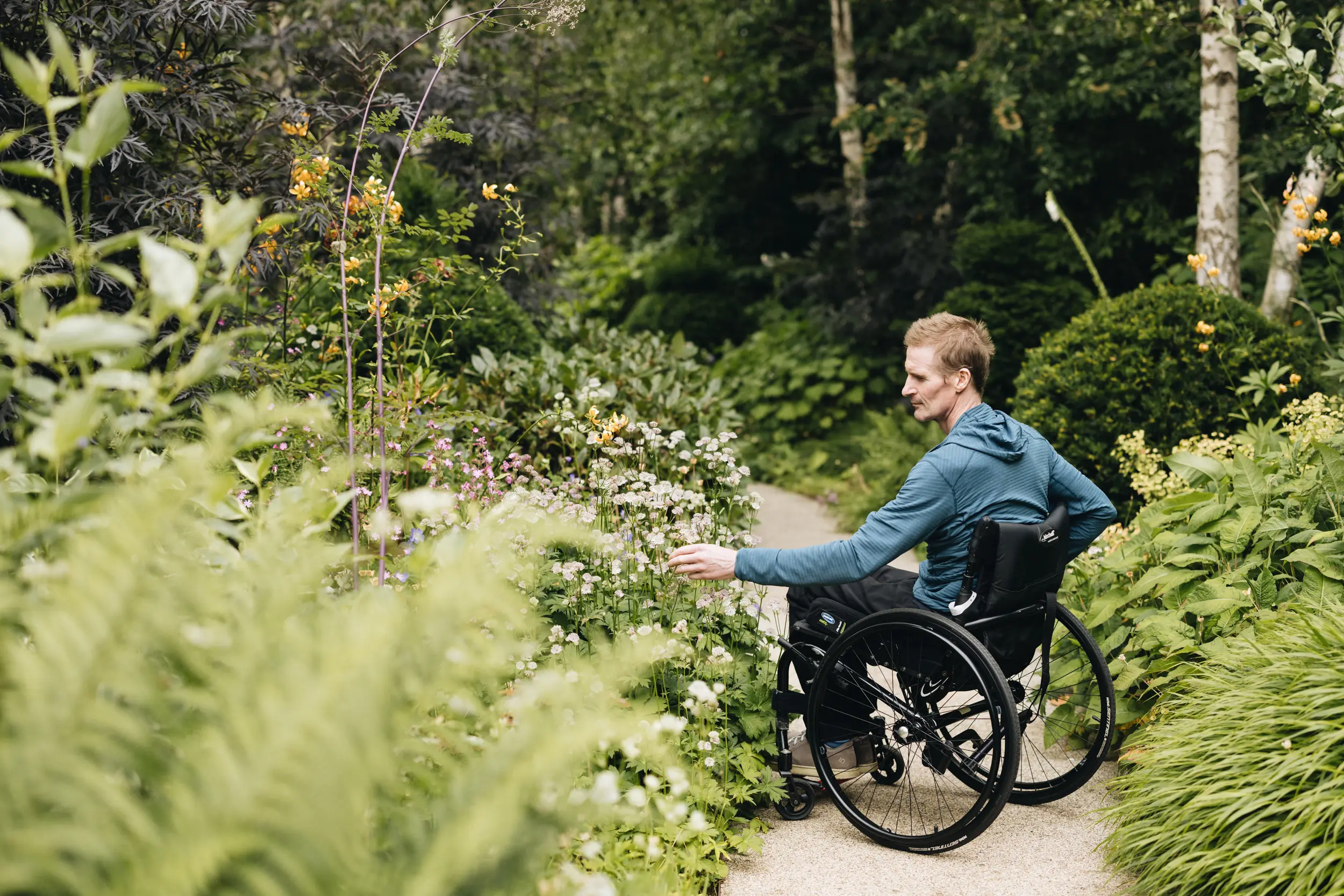
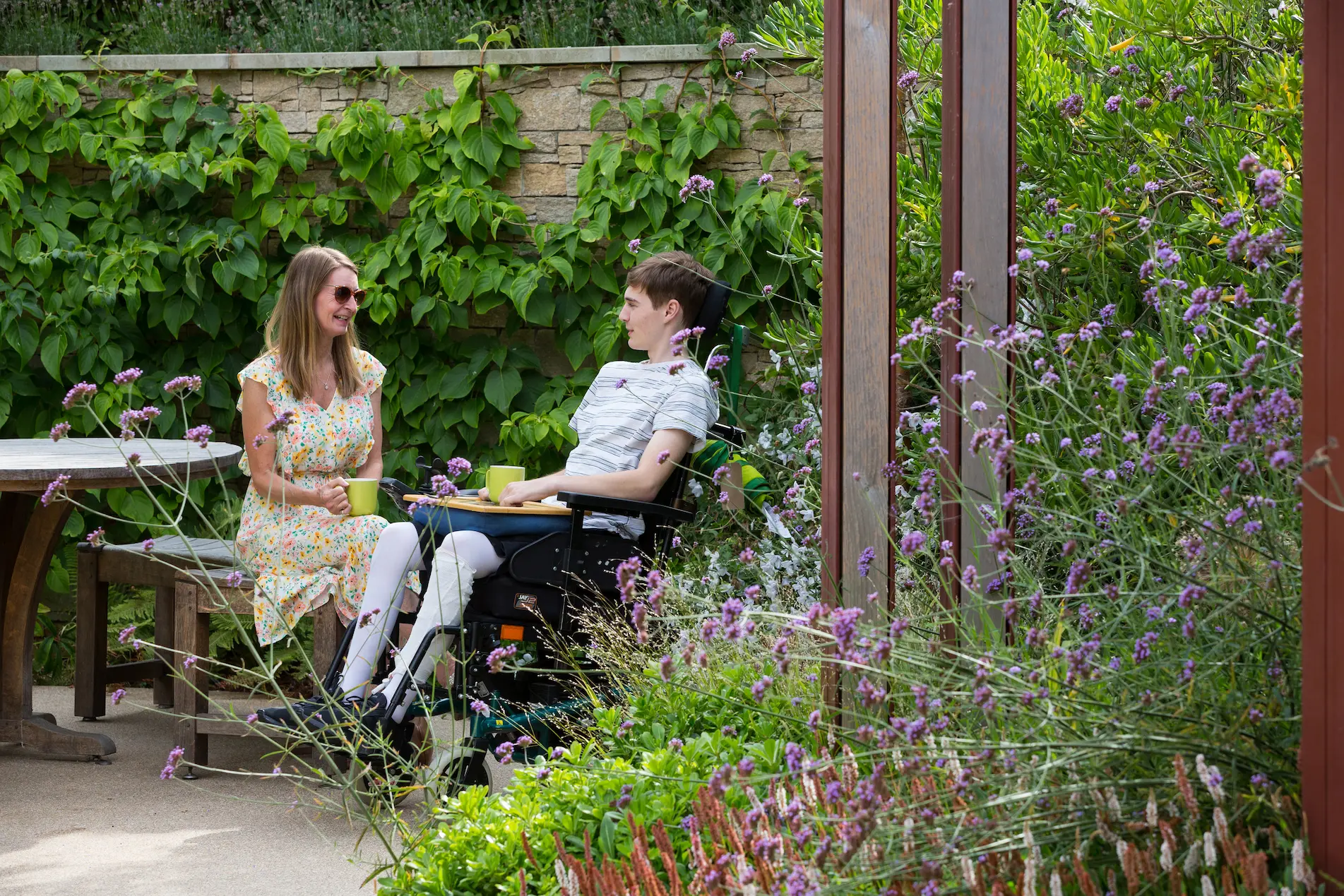
These wartime experiences helped shape later approaches to therapeutic horticulture. Throughout the twentieth century, hospitals, rehabilitation centres and care homes increasingly incorporated purpose-designed gardens intended to support wellbeing. Accessible paths, raised beds, sensory planting and sheltered seating became common features, enabling people with varying levels of mobility to engage with nature.

Gardens for healing today

Today, therapeutic gardens are ever-present in healthcare environments, community projects and public landscapes.

Designers draw on both historical precedent and a growing body of research demonstrating the benefits of contact with nature for mental and physical health.

Looking back at the long history of therapeutic garden design reminds us that healing landscapes are not a new concept, but part of an enduring tradition. Historic gardens offer more than heritage value alone: they remain active, living environments capable of supporting wellbeing today, bridging past and present through their continued therapeutic potential.

Gardens for Healing

Topics

Gardens Trust Trustee Chris Blandford OBE takes us on a tour of those with historic designed landscapes in the UK and the benefit this status brings

Topics

Designed to improve our health and community cohesion, playgrounds began as ‘gymnasia’ for all to use.

Topics

From ancient shrines to 18th century entertainment spaces we explore the development of grottoes in gardens.