Search

Painshill Park: From Neglect to Restoration

The remarkable restoration of one of England’s finest 18th-century landscape gardens

A personal account of visiting and witnessing the remarkable restoration of one of England’s finest 18th-century landscape gardens by Tony Mott

Painshill in the 1970s

When I visited Painshill in Cobham, Surrey, in the early 1970s as a postgraduate art student, I found one of England’s greatest 18th-century landscape gardens utterly abandoned — overgrown, vandalised and almost forgotten.

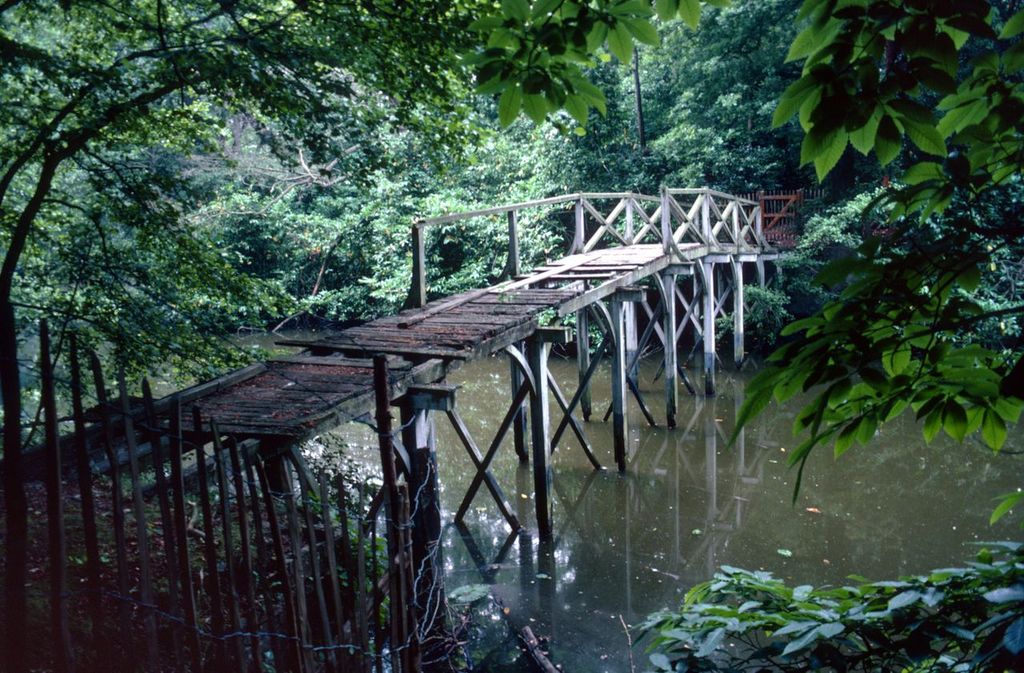
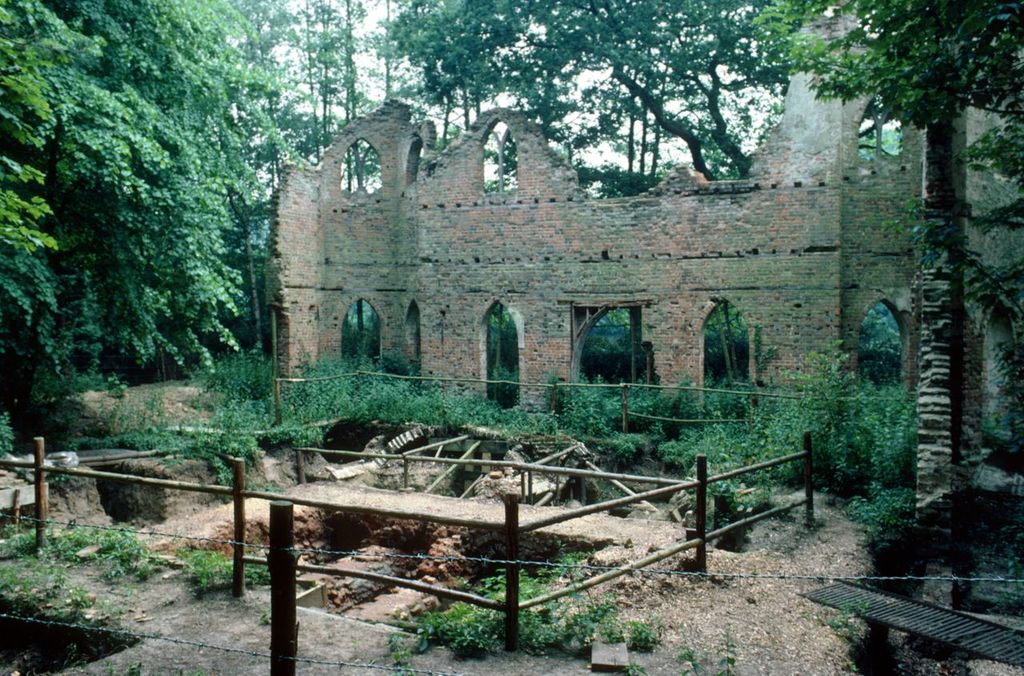
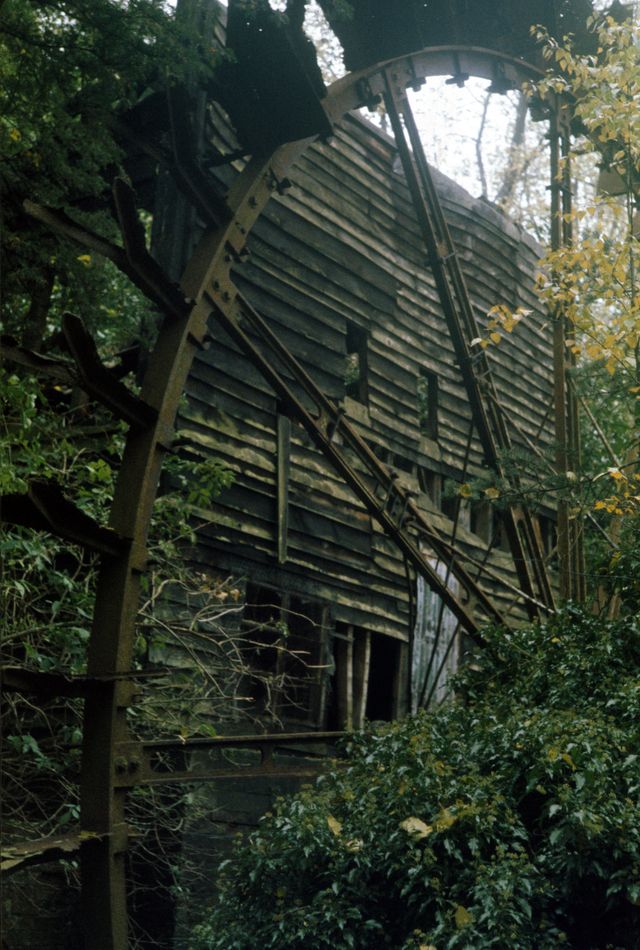
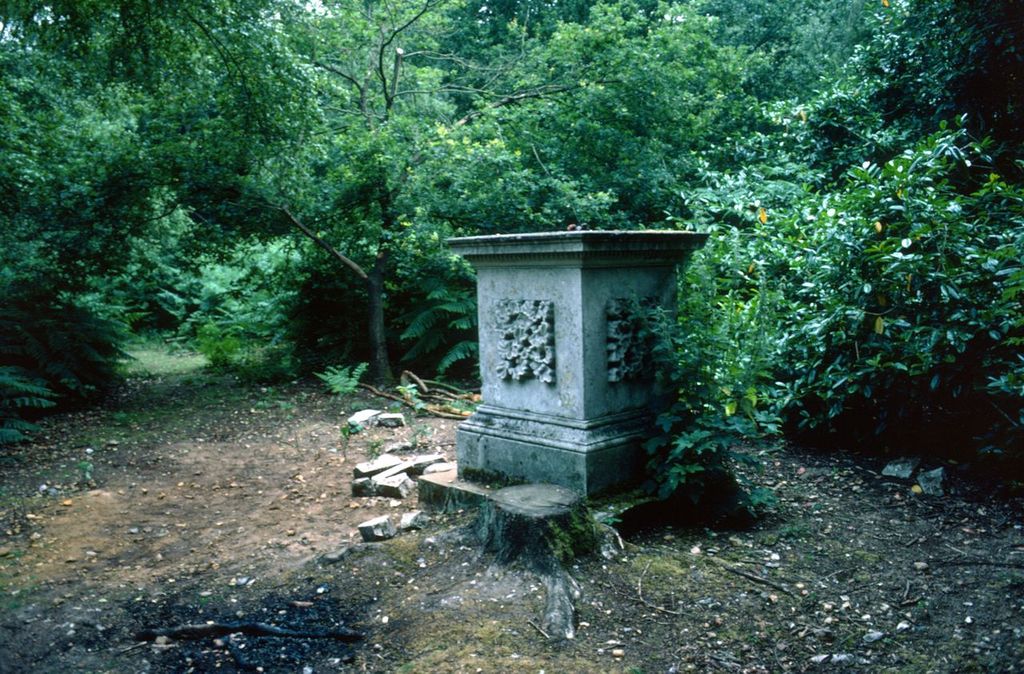
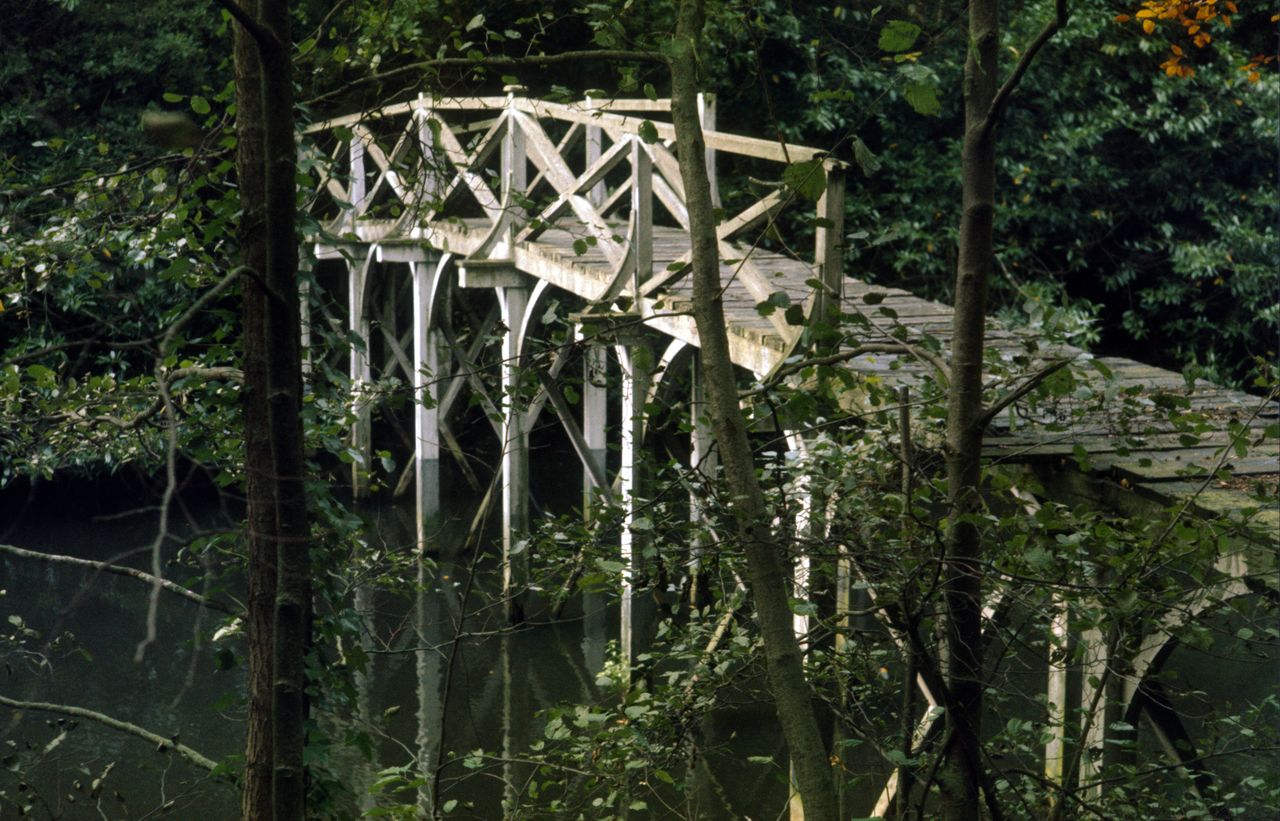
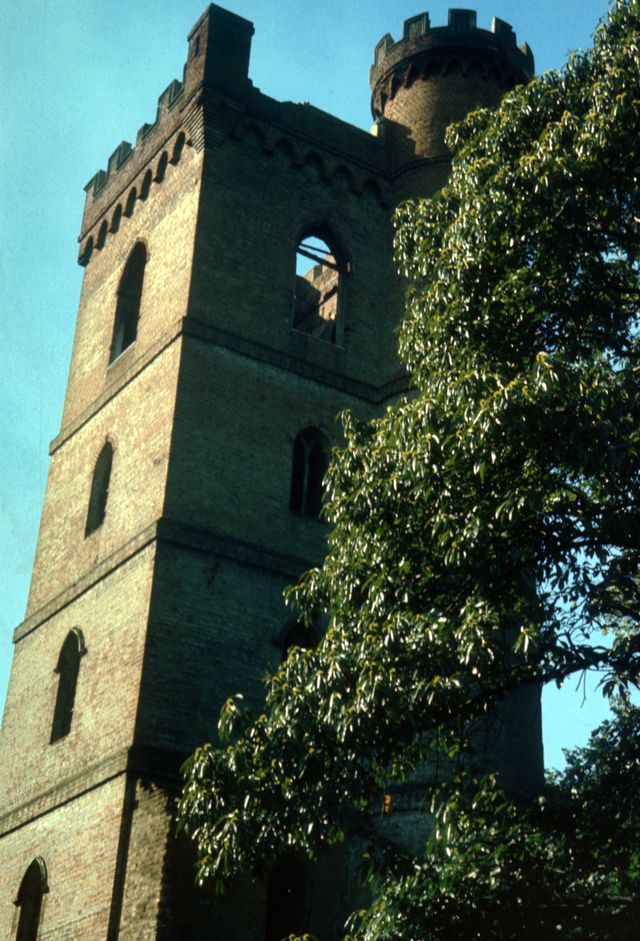
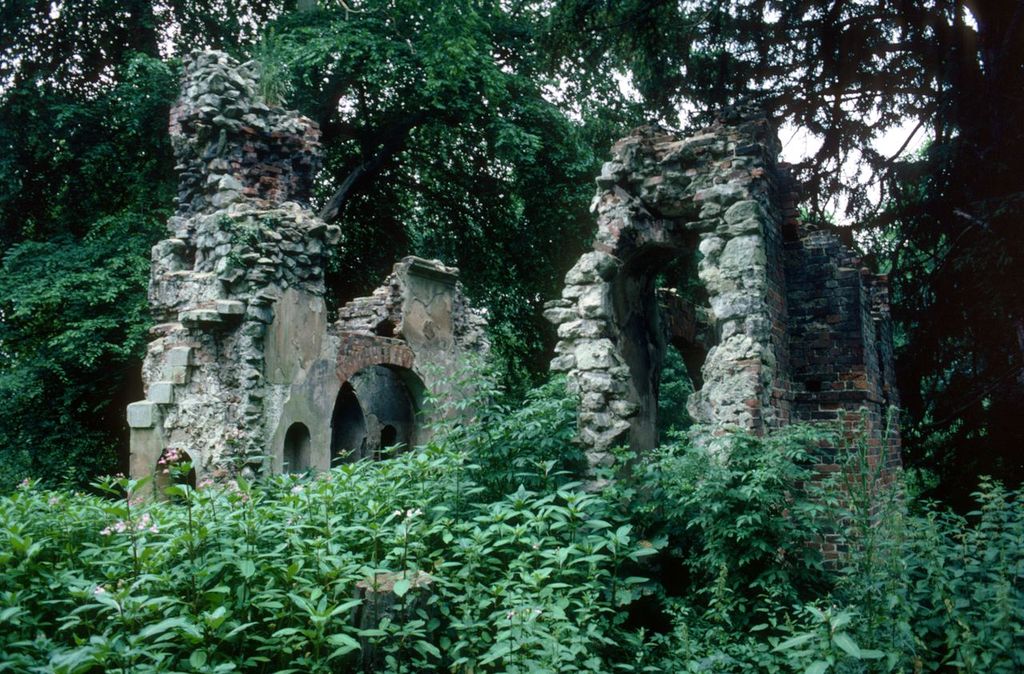
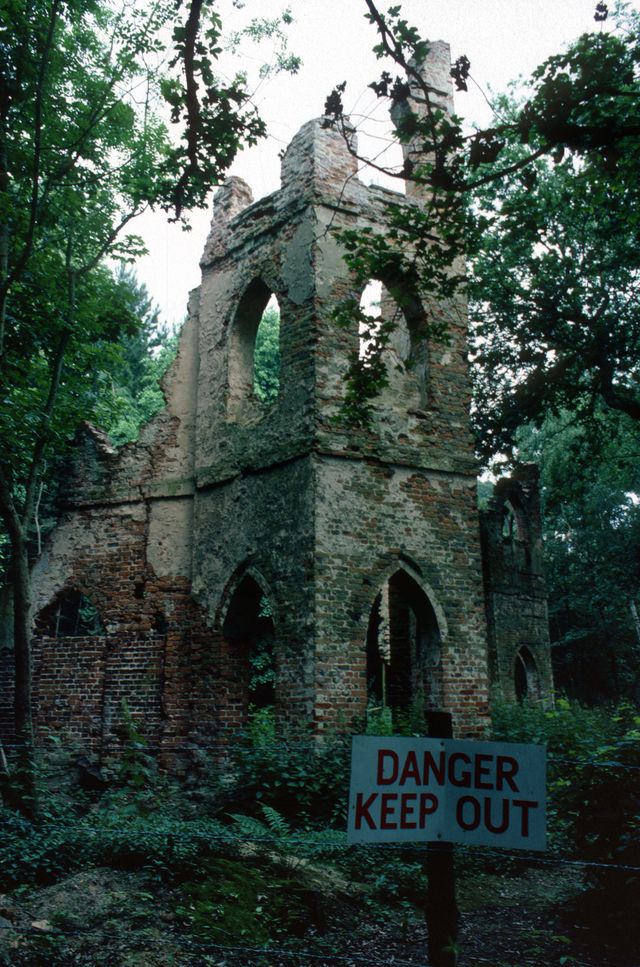
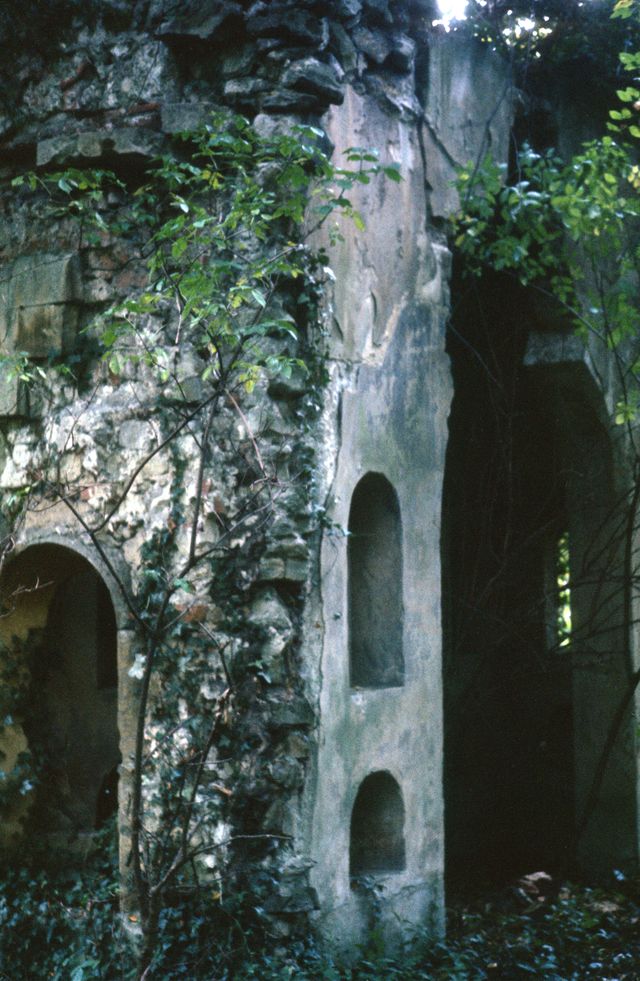
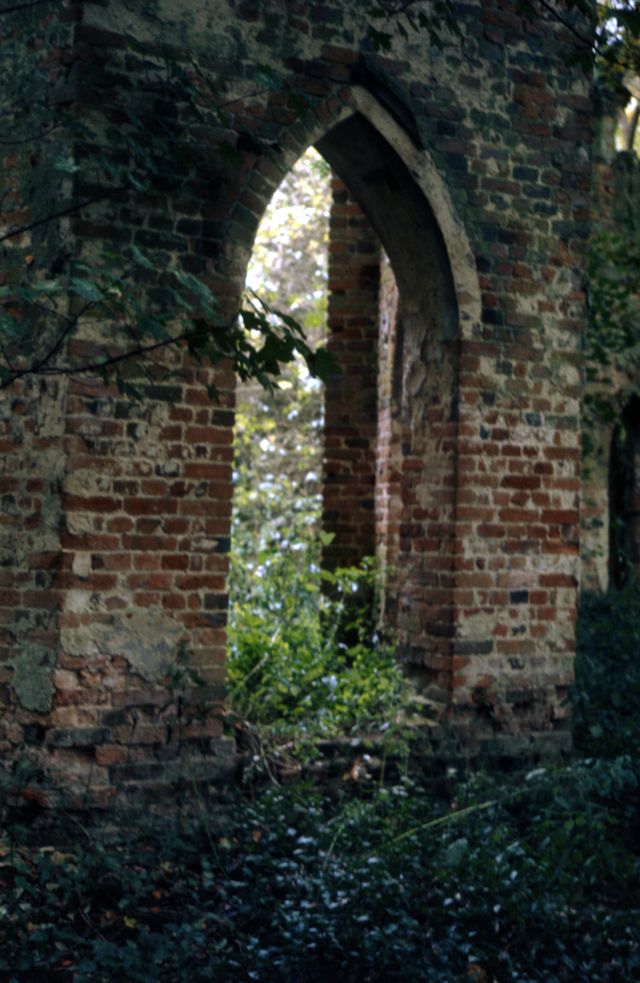
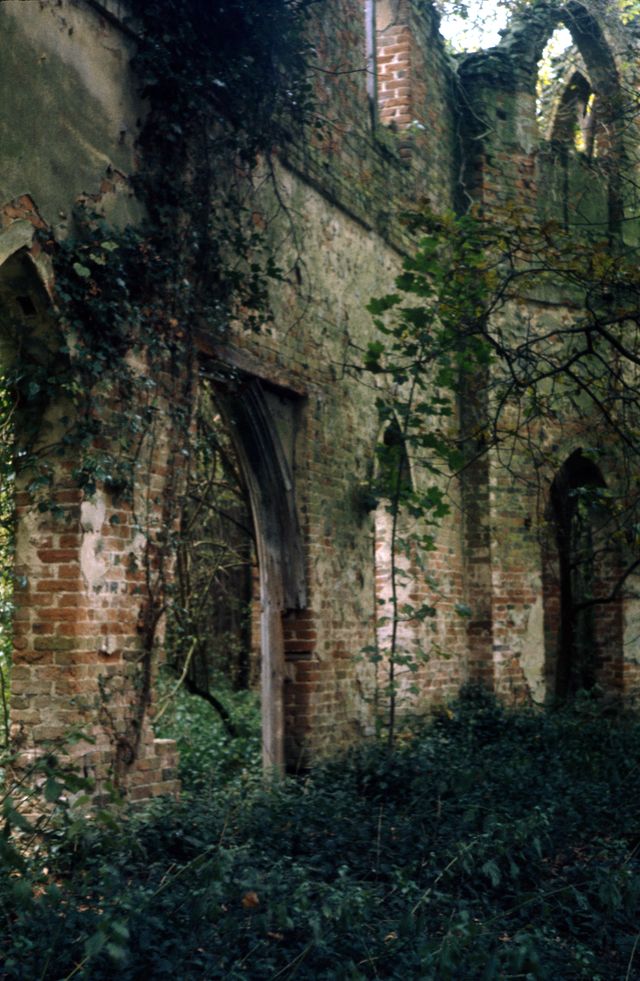
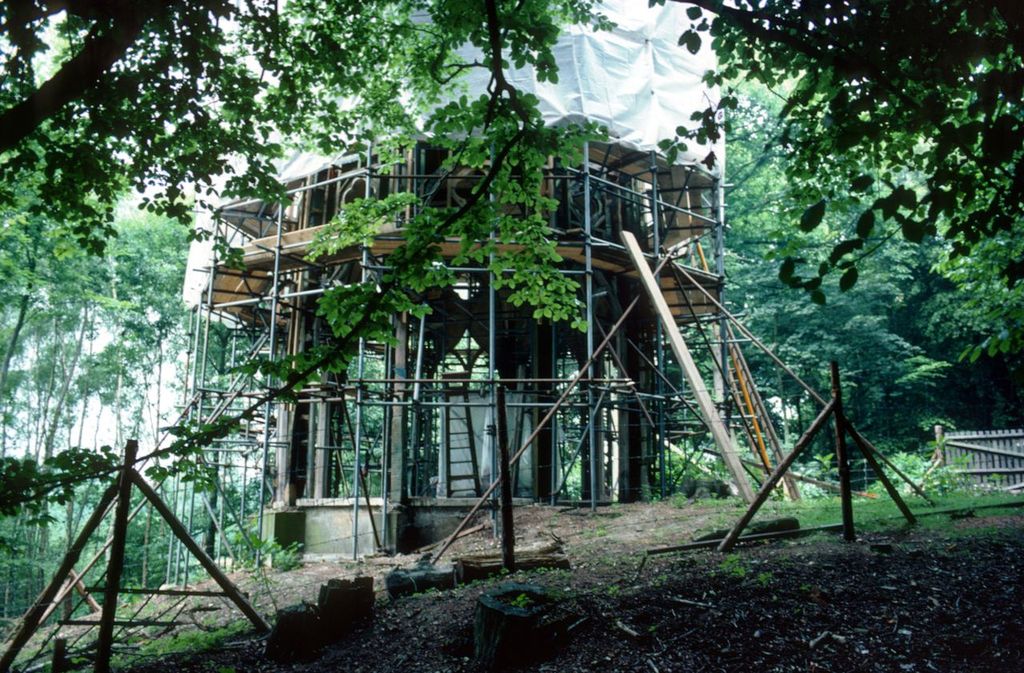
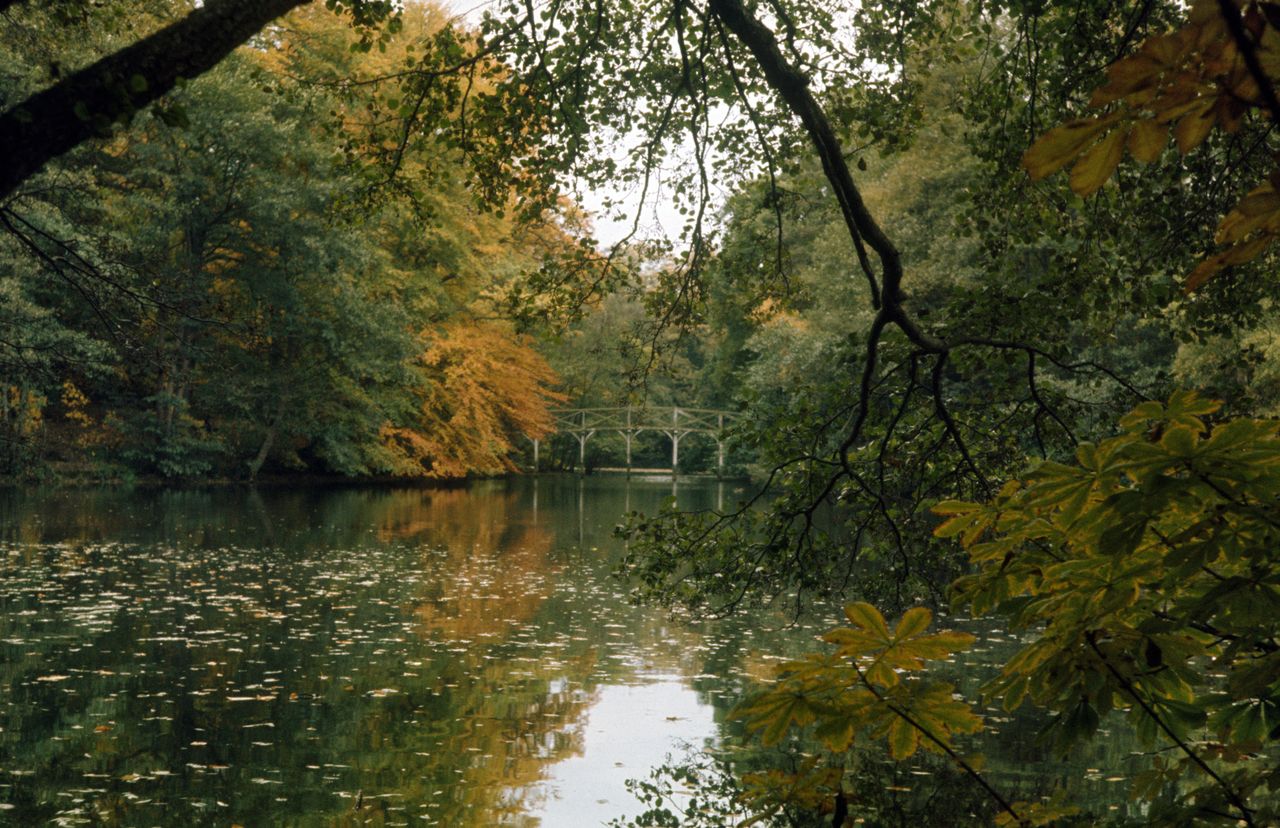
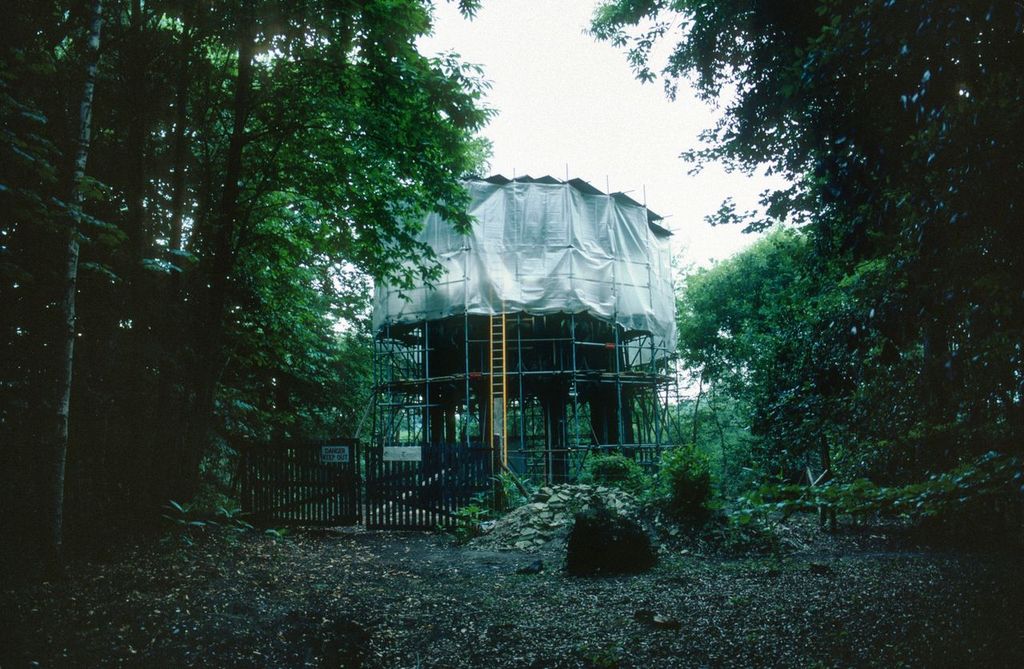
My first visit to Painshill was just over fifty years ago. I was a postgraduate student at the Slade School of Art, and apart from my sculptural specialism, I had become totally immersed in the study of the mid-18th-century landscape garden as a work of art. In the early 1970s Painshill was in a very neglected state. I referred to the photographs in Oswald Siren’s book, China and the Gardens of Europe (published 1950), taken in the 1940s, and to Country Life articles from 1958. Nature had entirely taken over. Using drawings by F. M. Piper made c.1779, which showed important vantage points, and a large-scale Ordnance Survey map to make sense of the layout, I began my trespassing tour from the A3, where the Gothic Tower still stood. I was encouraged to find the octagonal gothic building and the wooden Chinese-style bridge. The grotto still existed, though it had lost its roof to wartime vandalism during World War II. Looking back at my Kodachrome slides, I am surprised by how many garden features I was able to locate across two visits – until I was eventually persuaded to leave by an aggressive fisherman enjoying exclusive use of one of the most important 18th-century landscape gardens in the UK.

Design and creation

Painshill was created by Charles Hamilton over a few passionate decades, but his obsession with garden design ultimately led to financial ruin and the sale of the property in 1773.

In the Journal of the Garden History Society (Vol. II, No. 1, Autumn 1973) there is a comprehensive article by Alison Hodges on Painshill. At that time, few would have anticipated a full restoration; the listing of historic gardens had not yet begun to gain momentum. Subsequent owners had made little effort to maintain Hamilton’s original vision, and by the 1940s, as documented in Siren’s photographs, only a selection of buildings and some original tree planting survived to give a sense of the layout. Painshill was created as a unified artistic whole, and without stewardship it deteriorated rapidly after Hamilton’s departure.

Restoration

Fifty years after my first trespassing visit, the restoration of Painshill stands as a spectacular achievement and a testament to the influence of the Garden History Society in securing recognition for historic gardens.

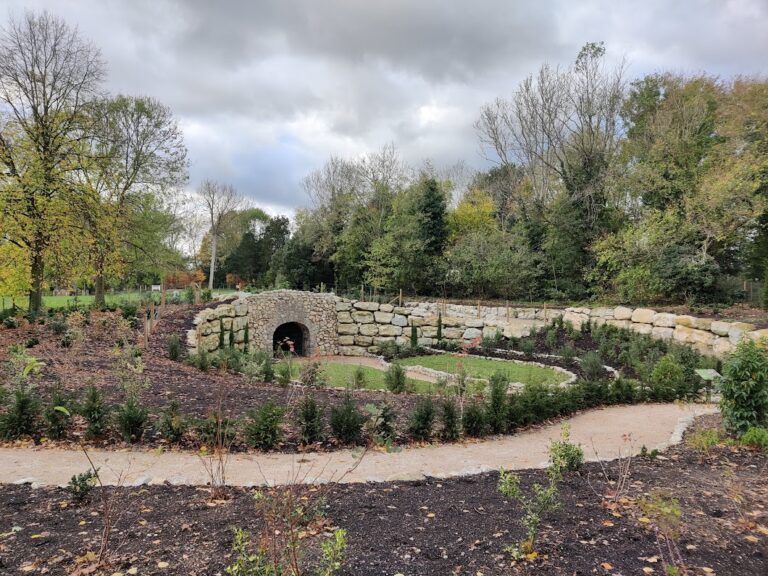
The first newsletter about the Painshill Park Trust’s restoration project was published in the spring of 1983, and the monumental task of raising funds and restoring the garden began under the management of Janie Burford. The listing of historic gardens, which had begun to gain momentum in the early 1980s, was crucial to this effort. Today, fifty years after my first visit, there is a fully realised 21st-century version of Hamilton’s mid-18th-century vision: the Turkish Tent, the grotto and the Grecian Temple have all been brought back to life. The new Painshill is a remarkable achievement, and powerful testimony to what the Garden History Society (now the Gardens Trust) helped make possible.

Painshill Park: From Neglect to Restoration

Topics

The Society has produced an Annual Report since 1833 and these invaluable records are now available online

Topics

A park or garden is more than a single focal point like a fountain, their true charm lies in the full sensory experience of a place including distant views, soothing sounds, and crisp, fresh air.

Places / Topics

One of the city’s most enduring innovations has been quietly shaping lives for almost two centuries.