Search

Percy Cane

20th century English garden designer, nurseryman, journalist and writer

Few people today have heard of garden designer Percy Cane. Yet at the height of his career in the 1950s, Country Life said he was as much in demand as Capability Brown had ever been.

Design style

Born in 1881 in Essex, Percy Cane set himself up as a nurseryman In his twenties, and was soon employing gardeners, offering ‘progressive places to reliable men’. Over the next six decades he built an international reputation as a gardening journalist, editor, author, nurseryman and designer.

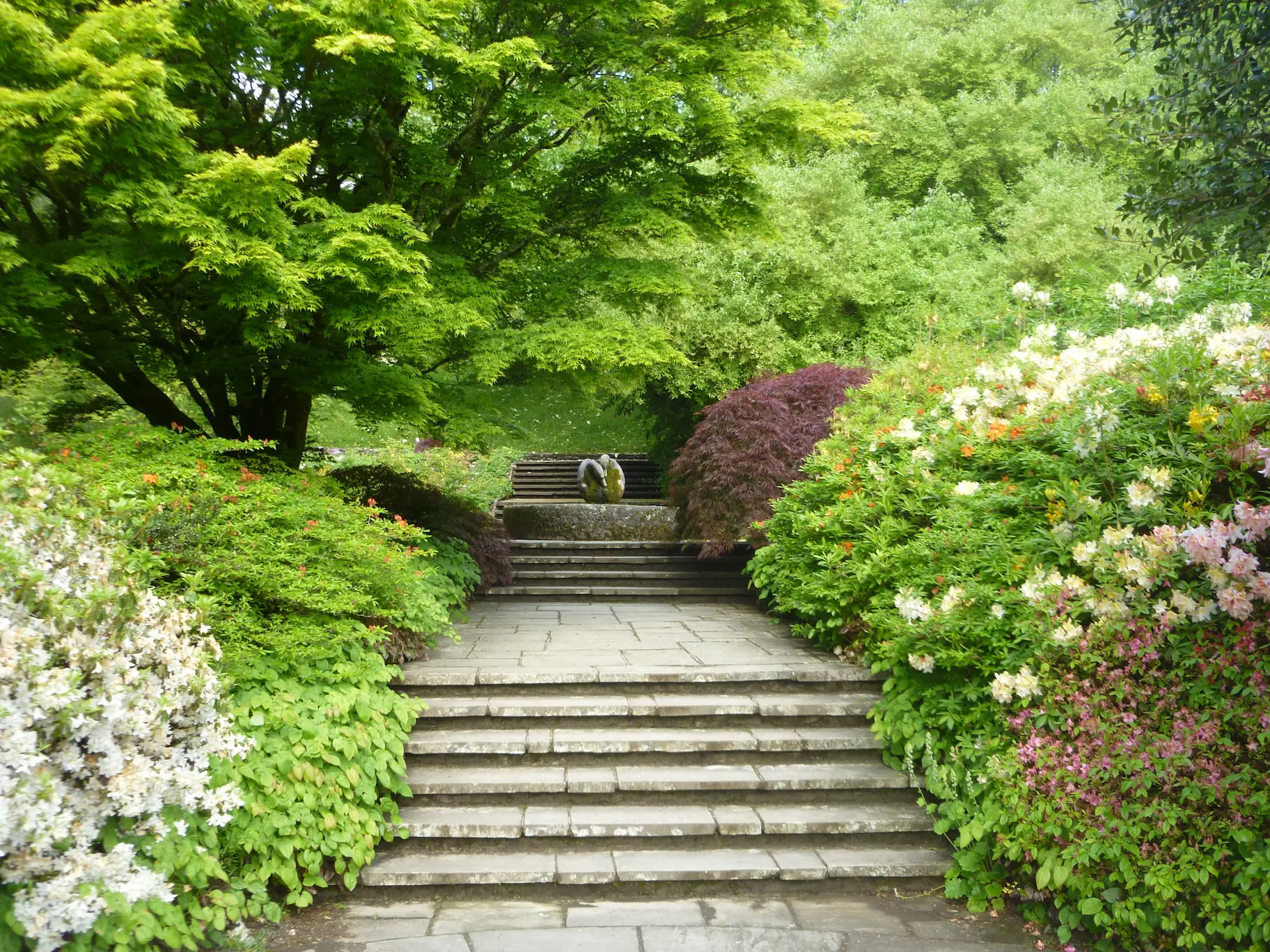
Cane worked primarily in the Arts & Crafts tradition. Inspired by designers like Harold Peto, he combined fine stone structures and paving with colour-themed planting, geometric shapes and a sense of enclosure. Further from the house he often installed informal glades of trees and shrubs.

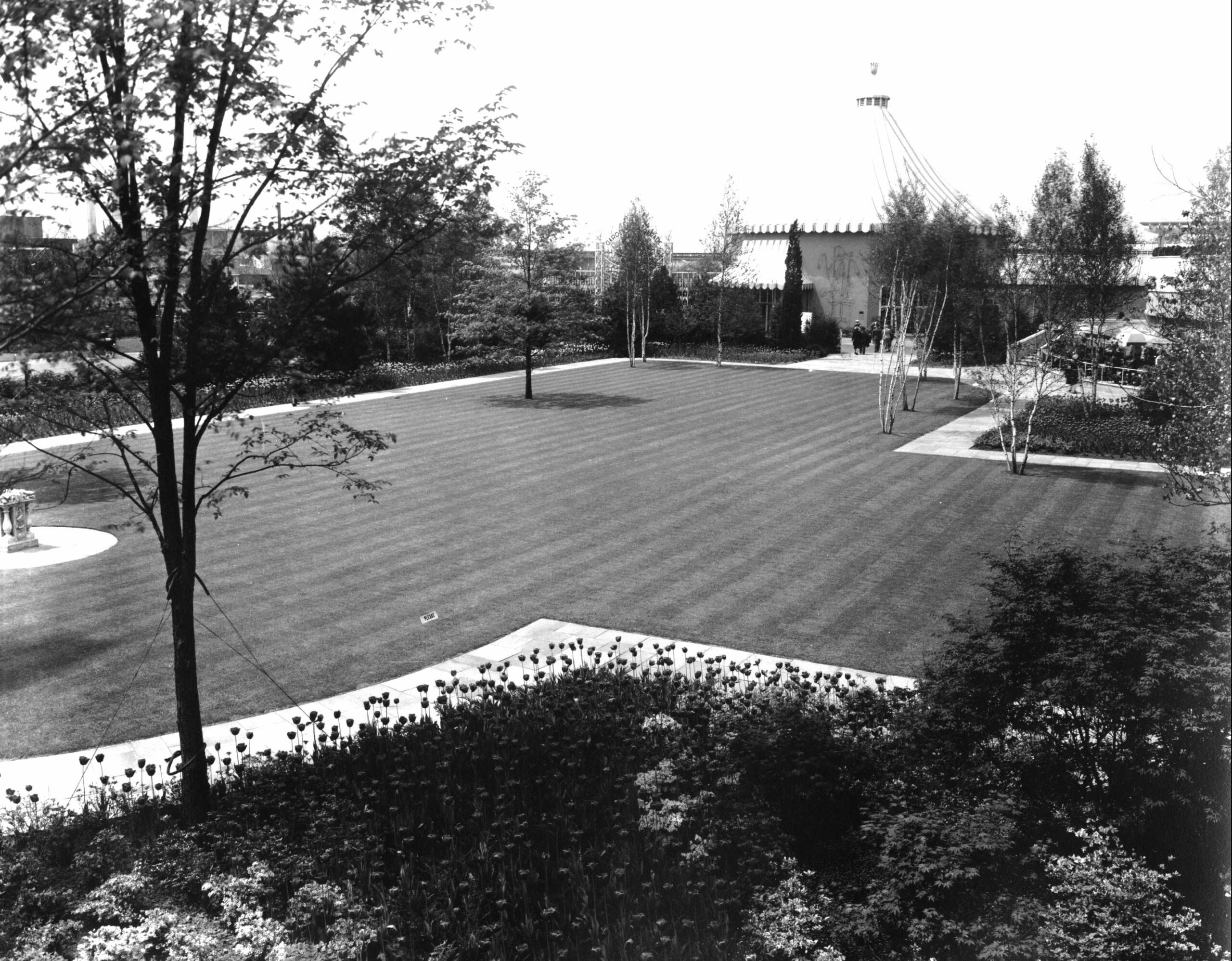
Less well-known is his flirtation with Japanese abstraction and Modernism, including his garden for the 1939 World’s Fair in New York. Several of his apprentices, among them Christopher Tunnard, and Frank Clark, became leading Modernist advocates and designers.

Projects and recognition

Cane’s projects must have run into the hundreds, from small suburban flower beds and private gardens to public parks and extensive palace grounds.

His clients included Russian ballerina Anna Pavlova, Prime Minister Venizelos of Greece and the last emperor of Ethiopia, Haile Selassie.

A regular exhibitor at the Chelsea Flower Show, he earned praise in 1922 from William Robinson for photographs of designs ‘in various styles and in excellent taste.’ His show gardens won at least eight gold medals from the mid-1930s onwards. In 1963, the RHS awarded him the Veitch Memorial Medal, recognising ‘his most beneficial influence’ on garden design and horticulture.

Later years and 21st century revivals

Apparently a better designer than businessman, Cane faced growing debt and declining recognition in his final years.

Yet a review in The Bookseller of his 1975 biography, published the year before his death, still asserted that he ‘worked to promote a standard of garden design unknown since the eighteenth century: palace gardens at Falkland in Scotland and Addis Ababa in Ethiopia suggest the scope and international impact of his ideas.’

21st century revivals

  • Sharnden, Sussex. Cane’s first published project, from 1924, now known as Lower Sharnden, was sensitively preserved and refurbished by designer Jo Thompson after the construction of a new architect-designed house on the site in 2016.
  • Hascombe Court, Surrey (registered grade II). Cane worked here in the late 1920s, following earlier design work by Gertrude Jekyll. From 2009, Tom Stuart-Smith reworked and replanted the gardens, which he described as ‘crazy Arts and Crafts… a cabinet of curiosities.’
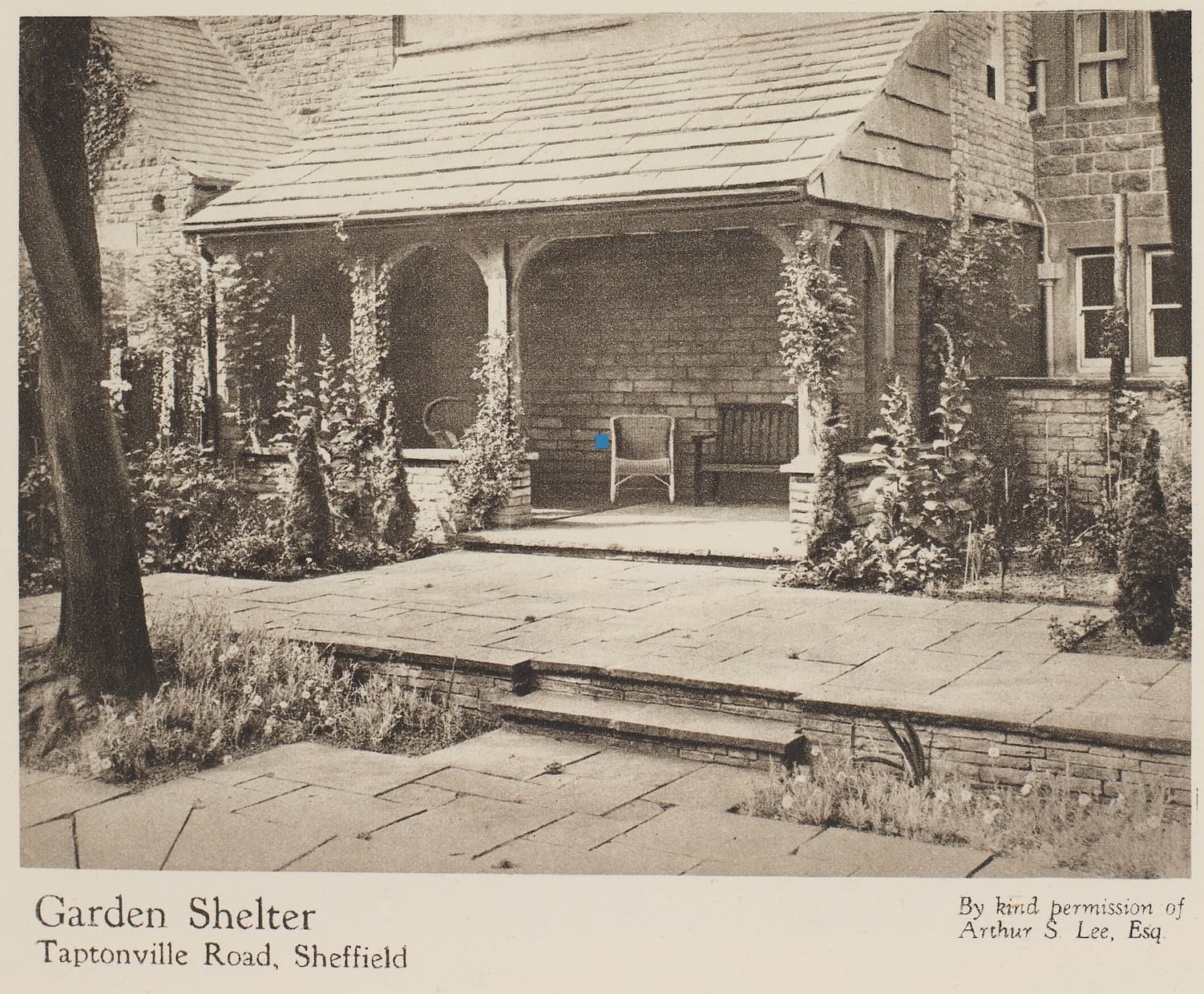
  • 10 Taptonville Road, Sheffield (locally listed). In 2015, Broomhill Community Trust began restoring a small 1920s Cane design at a site now used as a public library. Grants from Yorkshire Gardens Trust and the Gardens Trust have supported the project.
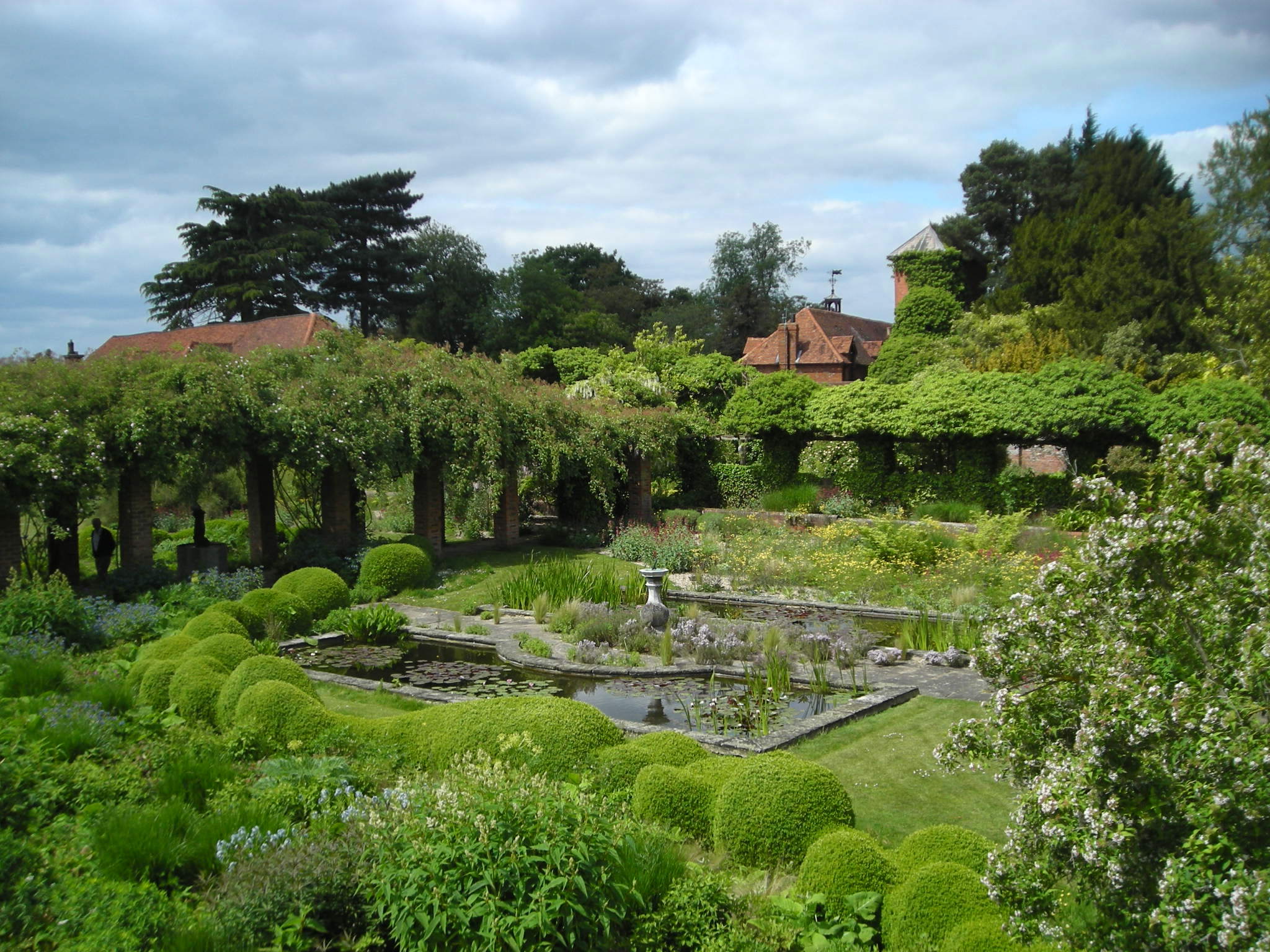
  • Waltham Place, Berkshire. Cane worked with owner Carlota Oppenheimer between the wars. The gardens have gradually become a naturalistic, wildlife-rich site, developed with help from Henk Gerritsen from 2000.
  • Dartington Hall, Devon (grade II*). Dan Pearson produced a master plan in 2018 for gardens that Cane said he ‘practically remade’ over many years after WW2, opening up views and creating new spaces.
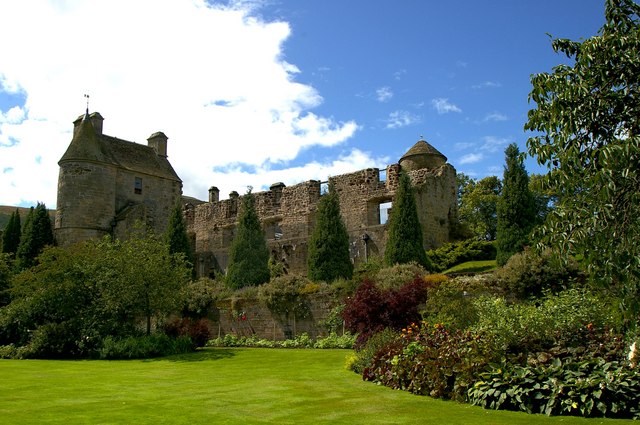
  • Falkland Palace, Fife (designated ‘of national importance’). Cane laid out new gardens in the 1940s and 50s, seeking to emphasise ‘the historical past’ of the partially ruined palace. Work started in 2016 to restore his planting palette with funding from the American supporters of the National Trust for Scotland.
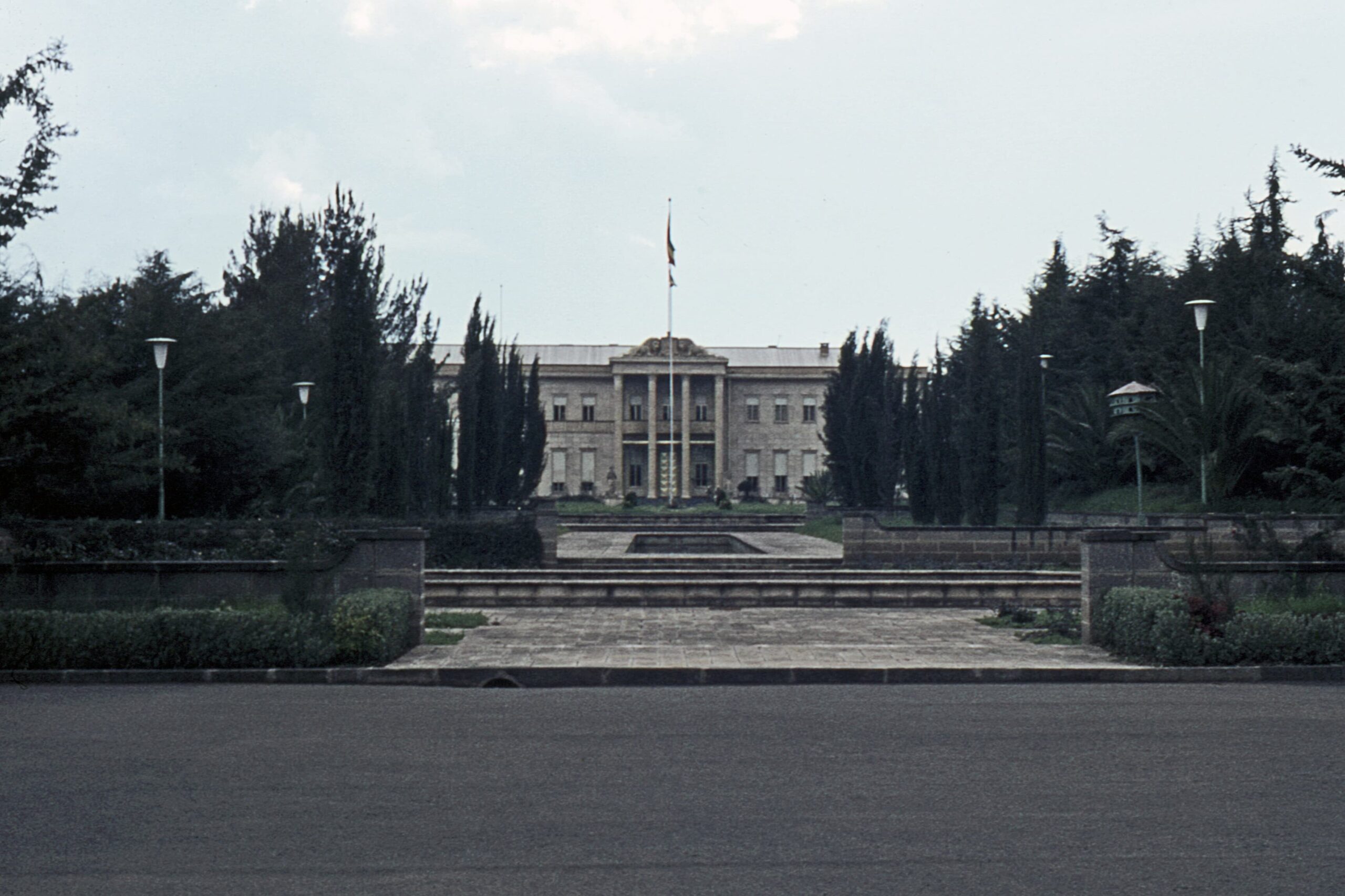
  • Jubilee Palace, Addis Ababa. Now known as the National Palace Museum, parts of Cane’s ‘spacious and dignified’ 1950s design for Haile Selassie’s palace grounds have been restored since 2019.
  • Sharpham, Devon (grade II*). In 2021, the Sharpham Trust and head gardener Bryony Middleton restored Cane’s original 1963 formal garden beds, replanting them with herbs for infusions. Devon Gardens Trust funded the project.


For more on Cane, see Jill Sinclair, ‘Inspired by the Past’, Historic Gardens Review 36 (September 2017), pp. 16-20. https://www.jstor.org/stable/44791502

Related articles by topic :

People

In the late 17th century, Mary Somerset, Duchess of Beaufort, described gardening as her “innocent diversion”, yet this apparently genteel pastime became an ambitious enterprise of cultivation, collecting and botanical investigation.

People

Without any previous experience of gardening, Margery Fish made one of the most celebrated informal gardens of the mid-20th century and used her writing skills to share what she had learnt in the process

People / Topics

Beyond the celebrated designers and grand estates are the gardeners whose daily work shaped the landscapes we continue to admire

Topics

Designed to improve our health and community cohesion, playgrounds began as ‘gymnasia’ for all to use.

Places

Inspired by the Anglo-Japanese Exhibition of 1910, Lord Egerton decided to install his own Japanese Garden at Tatton Park.

Periods

Monasteries, castles, the rich and the poor all had gardens in medieval times but what did they look like and what did they grow?