Search

The Forgotten Hands Behind Britain’s Historic Gardens

The gardeners who built and maintained gardens past

Beyond the celebrated designers and grand estates are the gardeners whose daily work shaped the landscapes we continue to admire

Invisible gardeners

When we visit a historic garden, our attention is naturally drawn to the features that define its identity: the sweeping landscape, the carefully composed borders, the vision of a celebrated designer or the tastes of a wealthy patron.

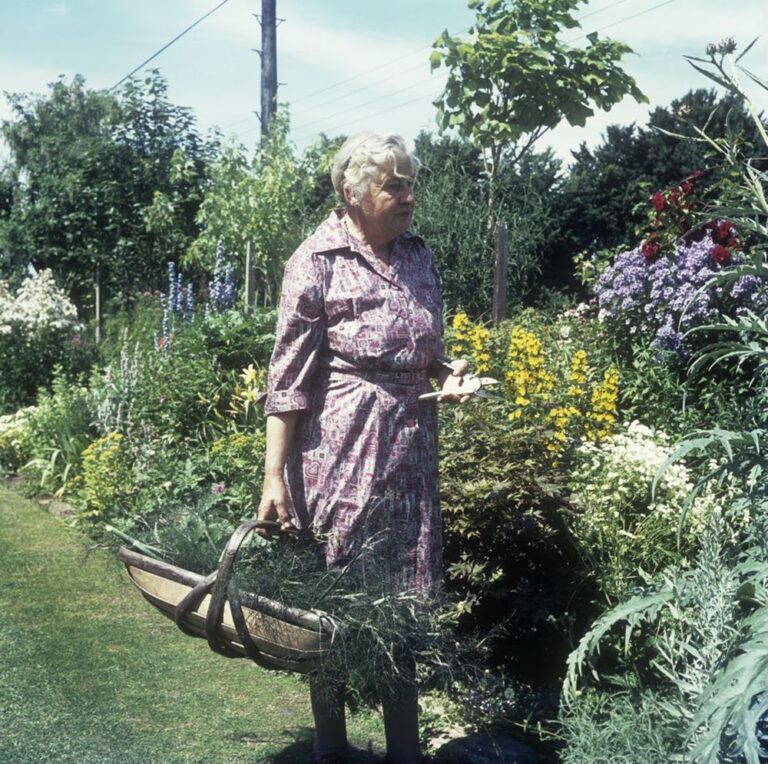
Yet behind every great garden lies another story – one of the skilled gardeners whose labour transformed ideas into living landscapes.

For much of garden history, these individuals remained largely invisible. The names attached to gardens were usually those of owners, architects and designers, while the people who planted, pruned, propagated and maintained them rarely received the same recognition. But a historic garden was never the achievement of one person alone. It was the result of a workforce whose knowledge and expertise were essential to its creation.
A profession requiring experience and knowledge

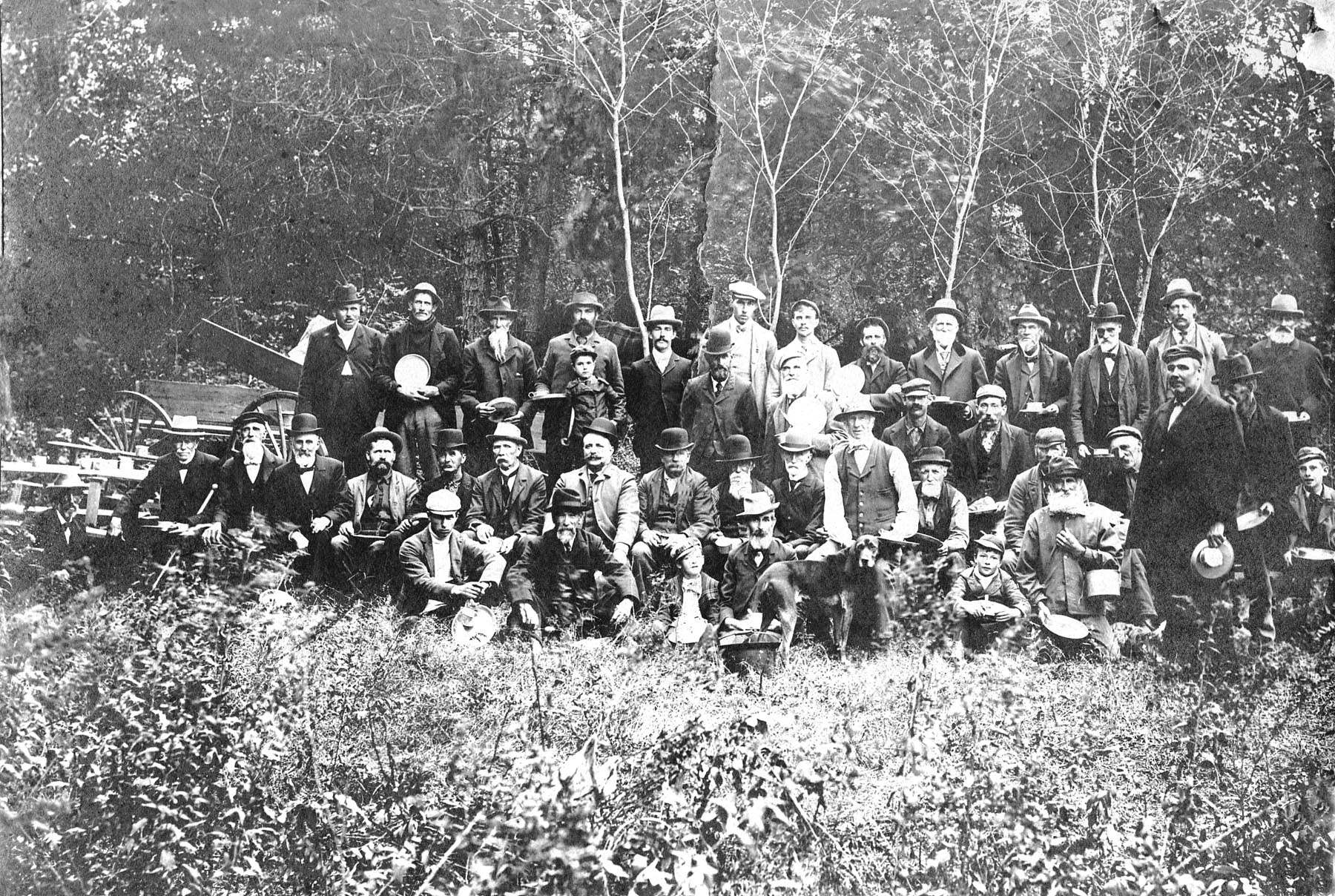
The great estates of the Victorian and Edwardian periods employed complex teams of gardeners.

A head gardener might oversee the design and management of the grounds, but their work depended on under gardeners, apprentices, glasshouse staff, propagators and labourers, each with their own specialist skills. For many, horticulture was a profession requiring experience, mobility and a lifelong knowledge of plants.

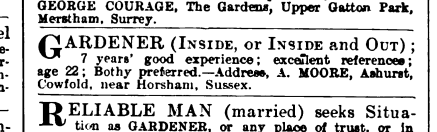
In 1913, gardener Albert Moore placed an advertisement in The Gardeners’ Chronicle seeking a new position and requesting a bothy (the small accommodation traditionally provided for gardeners working on large estates), a reminder that behind every great garden was a workforce of skilled individuals building their careers within the horticultural world.

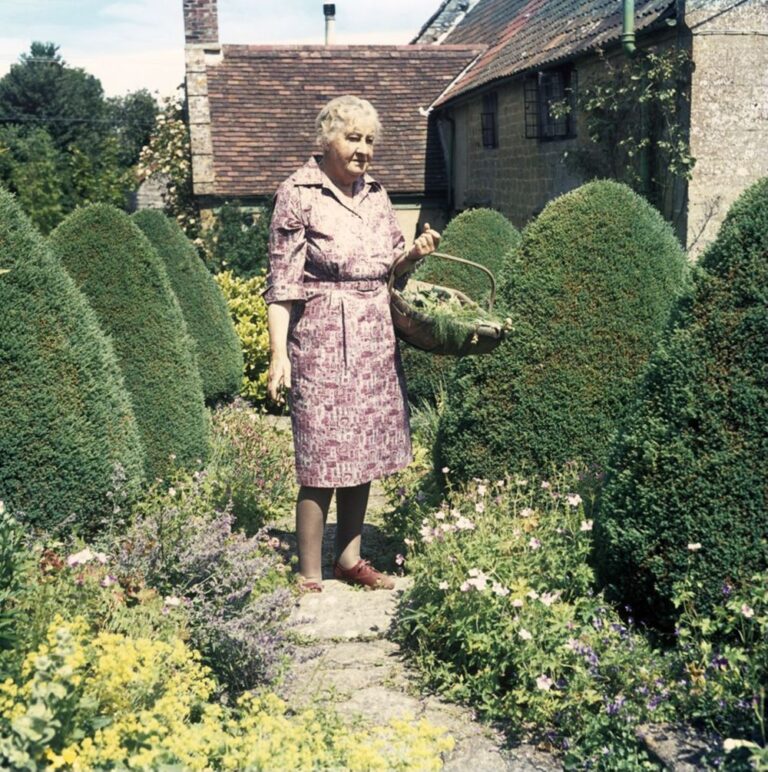
Through years of practical experience, gardeners developed a detailed knowledge of plants, seasons and cultivation techniques.

The same is true of public parks and municipal landscapes. Park keepers and gardeners maintained spaces that became central to community life, creating places for recreation, relaxation and social interaction. Their contribution extended far beyond maintenance; they helped shape how people experienced public green spaces.

Layers of human experience

Today, when we admire a restored border or walk beneath a mature avenue, we are seeing the legacy of countless gardeners whose names may never appear on interpretation boards.

Their stories remind us that gardens are not simply the products of individual vision, but living landscapes created through collaboration, skill and dedication.

Looking beyond the designer or owner allows us to understand historic gardens more richly. Every garden contains layers of human experience, not only the ambitions of those who commissioned them, but the knowledge and labour of those who brought them to life.

The Forgotten Hands Behind Britain’s Historic Gardens

Topics

The Society has produced an Annual Report since 1833 and these invaluable records are now available online

Topics

A park or garden is more than a single focal point like a fountain, their true charm lies in the full sensory experience of a place including distant views, soothing sounds, and crisp, fresh air.

Places / Topics

One of the city’s most enduring innovations has been quietly shaping lives for almost two centuries.