Search

Council Sports Fields from the 1970s

Making a difference to designed greens in the 1970s

Landscape Design Consultant John Harris recounts his career in Wigan Council’s Landscape Department helping to design and maintain designed landscapes

Craftsman Gardener

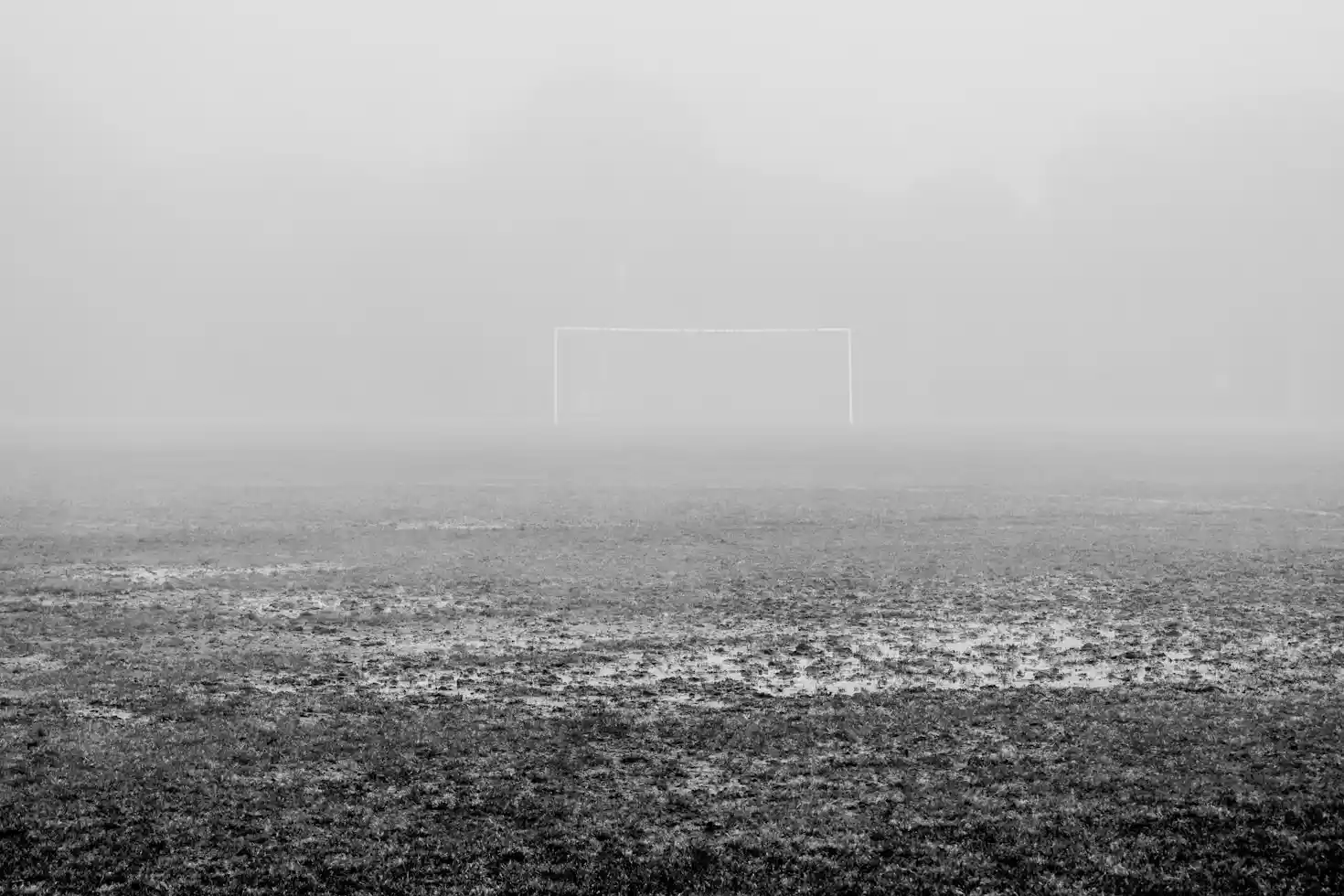
Having watched football throughout the 60s and 70s plus playing at amateur level, I acquired reasonable knowledge of playing surfaces... which were poor, requiring dedicated investment.

A potential football career came to an abrupt halt due to an unfortunate leg injury. In 1973 I joined Wigan Council’s Landscape Department, soon progressing to ‘Craftsman Gardener’. Working on landscapes gave me first-hand knowledge of surface construction and maintenance, but also allowed opportunity to repair and improve them… football, rugby, hockey, cricket and golf, all uniquely designed greens in their own right.

In 1989 I moved from my Foreman post to become Planner/Estimator for the expanding Landscape section. This gave me a greater appreciation of surfaces, as I had access to present and archived specifications. By then I managed a local youth football team and our ground was the worst in the Borough; I felt a need to improve facilities.
Modern sports field construction

I learned much from reading, questioning contractors, plus enrolment on courses – a favourable one focused on the science of modern sports field construction at Myerscough College.

My concern was our maintenance specifications; we had sports facilities on ancient greens and within important parks (historic Regents Park in London has over 50 sporting surfaces). Our fields were traditionally top-dressed in summer with sand intended to improve drainage, re-seeded, spiked and occasionally hollow-tined. This appeared a temporary ‘fix’ rather than a solution. I was eventually given authority to alter specifications and introduced new initiatives. Becoming head of Landscape Design gave me authority to rewrite the whole script!

I frequented landscape exhibitions and considered innovations. Soon most of our pitches were de-compacted by ‘Vertidrainer’. Sand was only used on a clay soil with lime incorporated into subsoil to assist natural drainage. I took soil samples throughout the Borough and had them scientifically analysed; subsequently we had guidance on best approach for individual grounds. However, many of our fields were absent of drainage or had poor drainage.

Managing drought

My concern with drainage was its detrimental effect during drought and this gave me much to consider so I enrolled on course in Sustainable Urban Drainage.

By the early 2000s I changed the specification and construction of drainage for existing and new grounds, introducing soakaways along drainage runs plus swales and catchment ponds and I insisted on drainage pipes two thirds upwards in trenches rather than on trench bases. This improved drainage whilst retaining valuable water resources in subsoil.

I also introduced recycled shredded tyres as excellent drainage material (replacing sand-slitting) which moreover reduced impact of heavy machinery as it stabilised soil, then had goal areas de-compacted using a mini-earthquake machine! These innovations were later utilised on historic formal lawns to allow major events and parking without detrimental effect to the lawns; examples are the grounds of Grade II listed Haigh Hall and Grade II listed Mesnes Park, both in Lancashire.

As a former young footballer once playing regularly on relatively unplayable surfaces plus being a parks & gardens enthusiast, it was (many years later) rewarding to be in a position to make a positive difference.

Council Sports Fields from the 1970s

Topics

The Society has produced an Annual Report since 1833 and these invaluable records are now available online

Topics

A park or garden is more than a single focal point like a fountain, their true charm lies in the full sensory experience of a place including distant views, soothing sounds, and crisp, fresh air.

Places / Topics

One of the city’s most enduring innovations has been quietly shaping lives for almost two centuries.