Search

Secateurs

The garden tool that caused hundreds of people to demonstrate in the street

The invention and troubled introduction of the secateur in France and England as a replacement to the billhook and pruning knife

Cutting Edge Technology

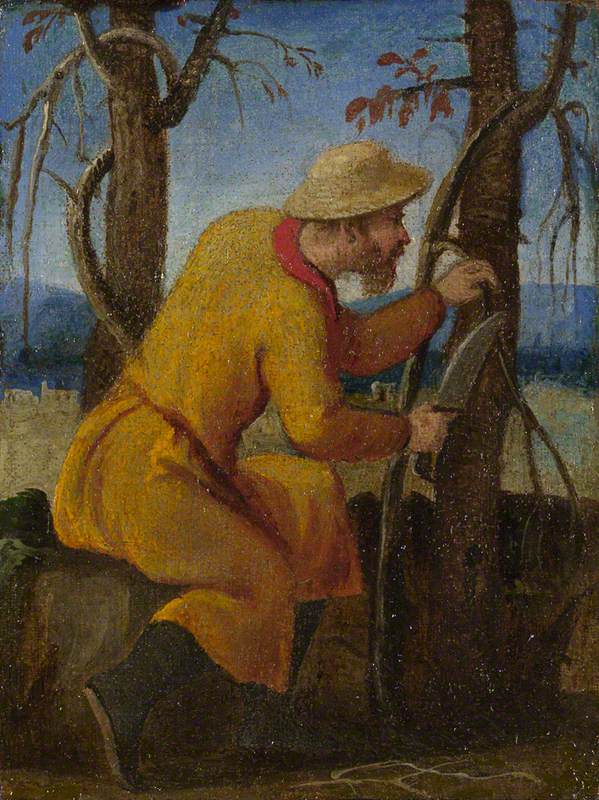
There can’t be many garden tools that have caused hundreds of people to demonstrate in the streets against their introduction. But that’s precisely what happened in 1840 when a committee decided to test a new device against traditional methods and equipment.

So what is it and if it’s so easy to use what caused the problem? It was none other than the secateur, and the people who were complaining were French vineyard workers who wanted to continue pruning with their traditional knives. News of the unrest reached Britain and was widely reported in the press.

If you’ve ever tried to prune with a knife then you’ll be wondering why the fuss, but like other forms of improved technology their concerns were largely about employment. As secateurs were quicker, easier and more efficient than pruning knives their introduction would cut the number of workers needed and so put people out of a job.

It was also claimed that secateurs, or pruning shears as they were sometimes also known, were simply not as good a way of vine pruning, because they crushed or bruised the emerging vine buds where the cut was made. Even though it’s not really true, it took decades to convince vineyard workers they were simply making life harder for themselves.


Marquis de Molleville

So where did this monstrous invention come from? The man responsible was probably French aristocrat, Antoine-Francois Bertrand, the Marquis de Molleville.

After escaping to Britain in 1792 to avoid the guillotine he turned his attention to gardening, inventing the secateur, which he introduced to France on his return in 1814.

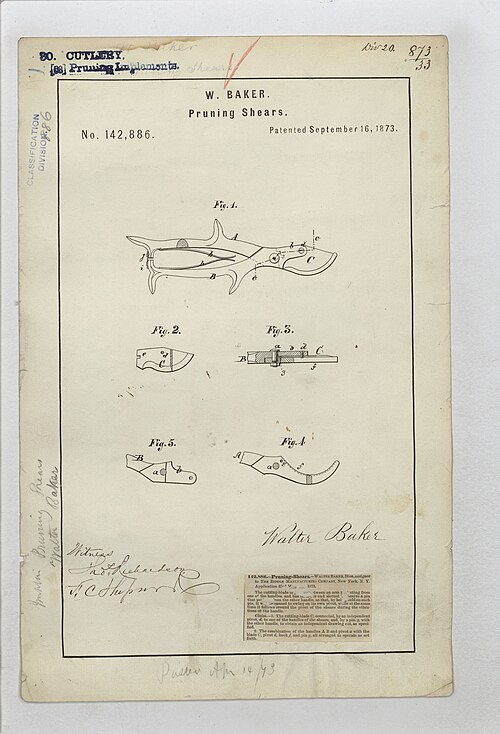
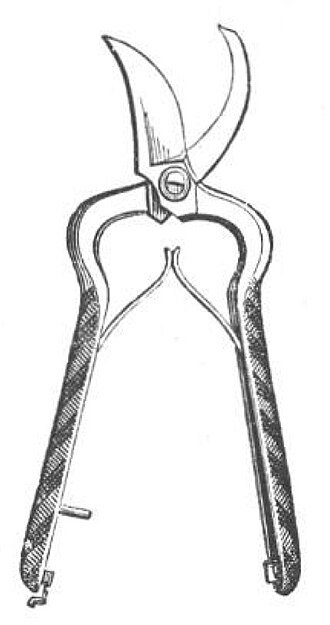
But de Molleville’s model was pretty basic and others began to devise improvements such as the secateur a coulisse, literally sliding secateur, and a version where one of the arms was movable along a ratchet allowing the user to increase the gap between the two blades and thus allow thicker branches to be cut.

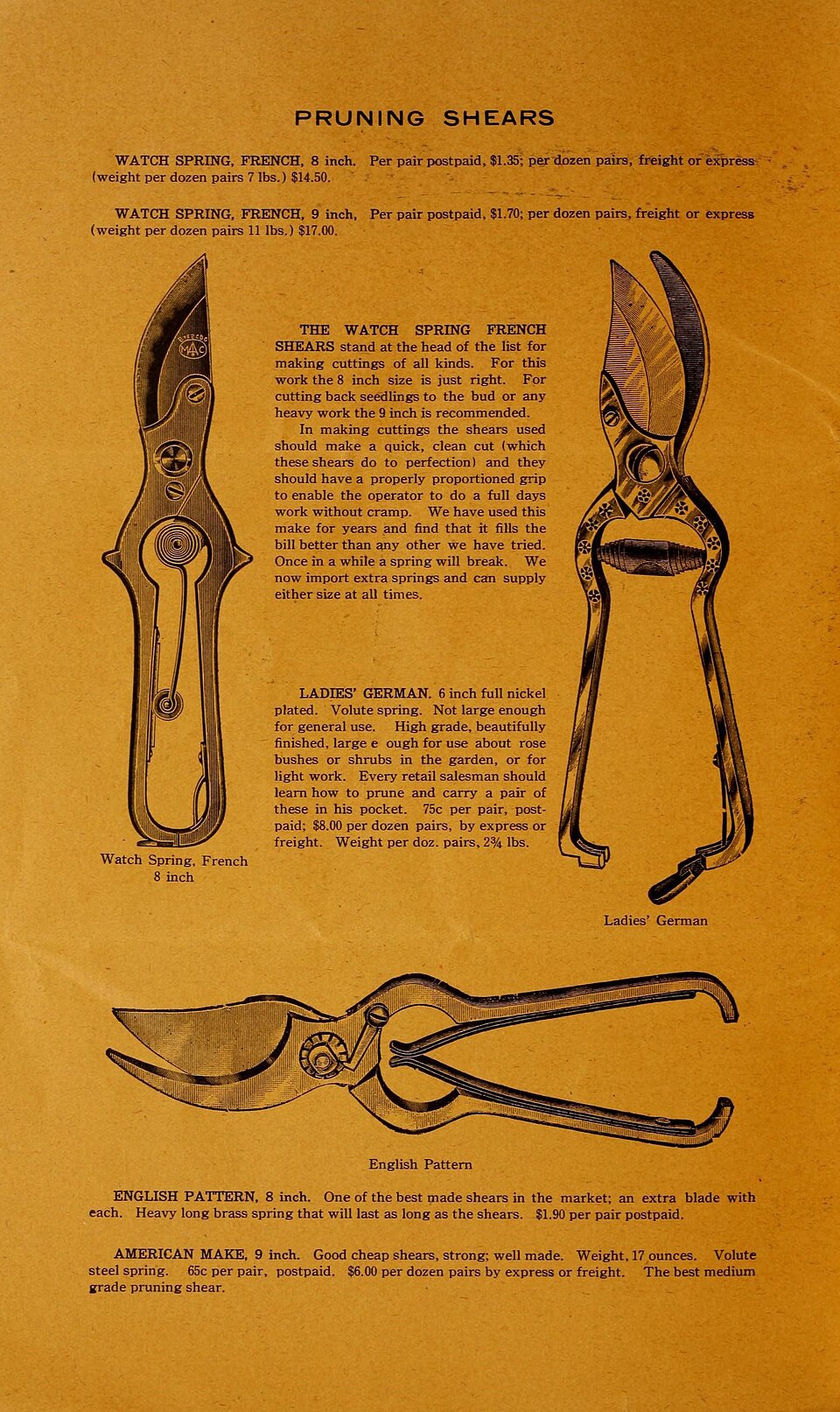
By 1860 many other variations were available. These included a model with a notch cut into the blades to enable the user to cut wire and another which had blades with several broken curves, allowing the user to choose the most appropriate size for the task in hand. Some had coil between the blades while others had springs.

Introduction to Britain

It was about this time too that the secateur began to find favour in England, after initial resistance from British gardeners, when they were championed by William Robinson, the great gardener and garden writer who had spent a lot of time in Paris reporting on French horticulture.

It’s clear from newspaper and magazine articles and adverts of the time that while British-made secateurs were available, French made were considered the best.

By the time of the First World War secateurs had won and become the preferred method of pruning shrubs, roses and fruit trees.

The biggest single innovation since then is probably the introduced from Germany in 1923 of the world’s first anvil pruners, exhibited by Rolcut of Horsham at the 1927 Chelsea Flower Show. After that there seem to be plenty of reputable British firms adding secateurs to their production and stock list.

Topics

The Society has produced an Annual Report since 1833 and these invaluable records are now available online

Topics

A park or garden is more than a single focal point like a fountain, their true charm lies in the full sensory experience of a place including distant views, soothing sounds, and crisp, fresh air.

Places / Topics

One of the city’s most enduring innovations has been quietly shaping lives for almost two centuries.