Early connections between gardens and medicine can be traced to medieval monastic communities. Monasteries frequently maintained physic gardens containing medicinal herbs used in treatments, while cloister gardens offered calm, enclosed spaces where the sick could rest and recuperate. These carefully ordered environments reflected a broader belief that physical and spiritual well-being were closely linked. The garden was not simply productive; it was a setting that could nurture both body and mind.
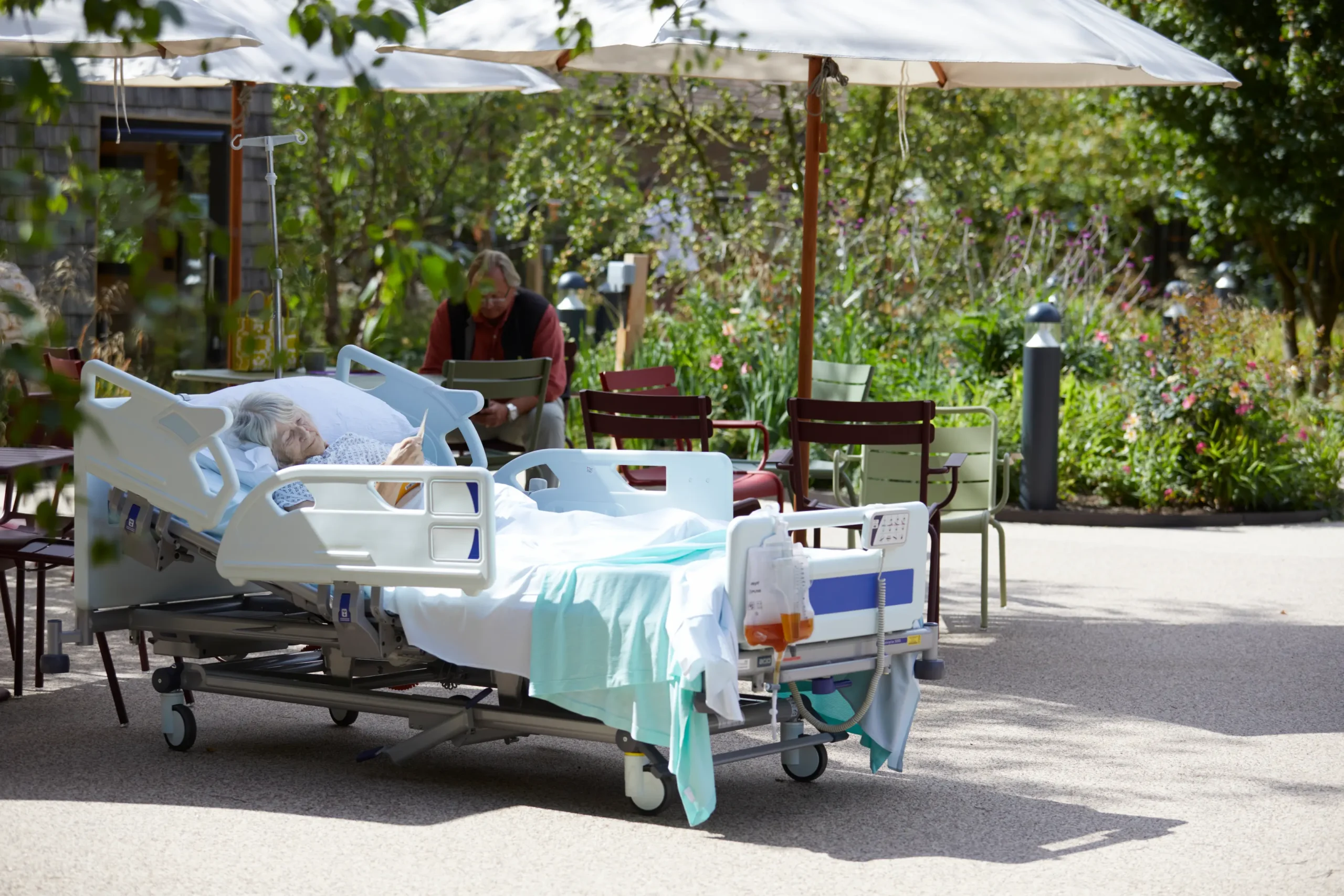
By the eighteenth and nineteenth centuries, evolving medical theories began to emphasise the importance of environment in health. Fresh air, sunlight and access to nature were increasingly regarded as essential elements of recovery. As a result, hospital and institutional landscapes were designed to include open grounds, tree-lined walks and sheltered seating areas where patients could spend time outdoors.
Victorian reformers played a particularly significant role in promoting this approach. Figures such as Florence Nightingale argued that environmental conditions—light, air, cleanliness and surroundings—were critical to patient recovery. Hospital wards were therefore designed with large windows and ventilation, while outdoor spaces were incorporated into institutional planning. Garden terraces, airing courts and carefully maintained grounds allowed patients to walk, rest and experience the restorative qualities of nature. At St Thomas’ Hospital in London, rebuilt following Nightingale’s principles in the 1860s, the integration of light-filled wards with access to fresh air and views across the Thames exemplified this approach to healing environments.
The nineteenth century also saw the development of landscaped grounds at asylums and convalescent institutions. These landscapes were often extensive and deliberately designed to provide calm, order and routine. Walking routes, gardens and productive landscapes were intended to support both physical activity and mental stability, reflecting a growing belief that interaction with nature could play a role in treatment.