Search

Historic Designed Landscape as UK World Heritage Sites

World Heritage Sites also contain many historic parks and gardens

Gardens Trust Trustee Chris Blandford OBE takes us on a tour of those with historic designed landscapes in the UK and the benefit this status brings

Historic Parks and Gardens with Universal Value in the UK

There are over 1200 World Heritage Sites (WHS) across the globe designated by UNESCO as places of outstanding universal value to be protected for future generations.

The UK has 35 WHSs that include a diverse range of cultural sites that reflect our 5000 years of history and our island story.  The list includes historic designed landscapes, gardens, and parklands that were created for their beauty and artistry and are now considered of international importance.

Many of our historic designed landscapes are on Historic England’s national Register of Historic Parks and Gardens but only a few are included on UNESCO’s World Heritage List. These include:  

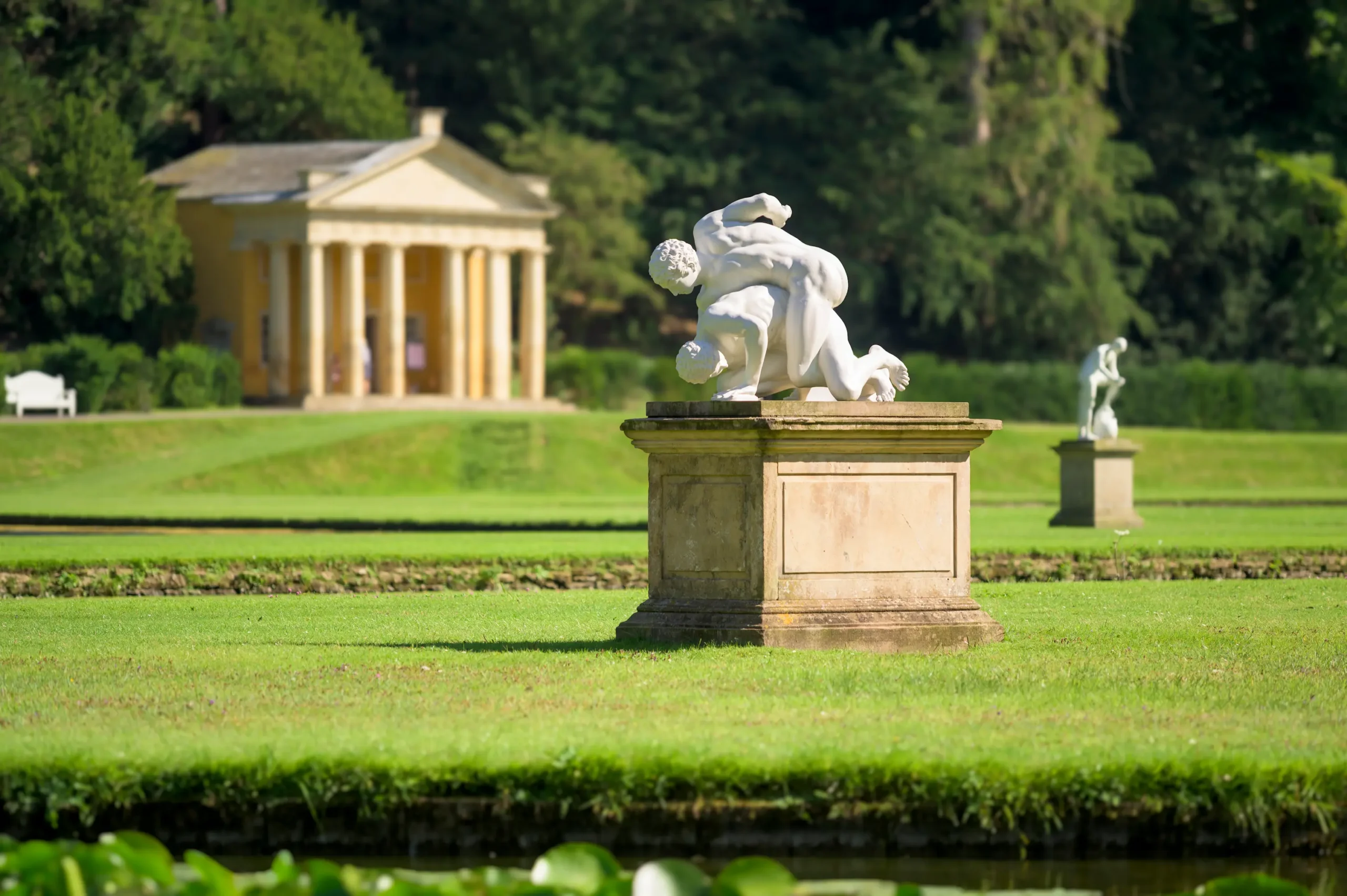
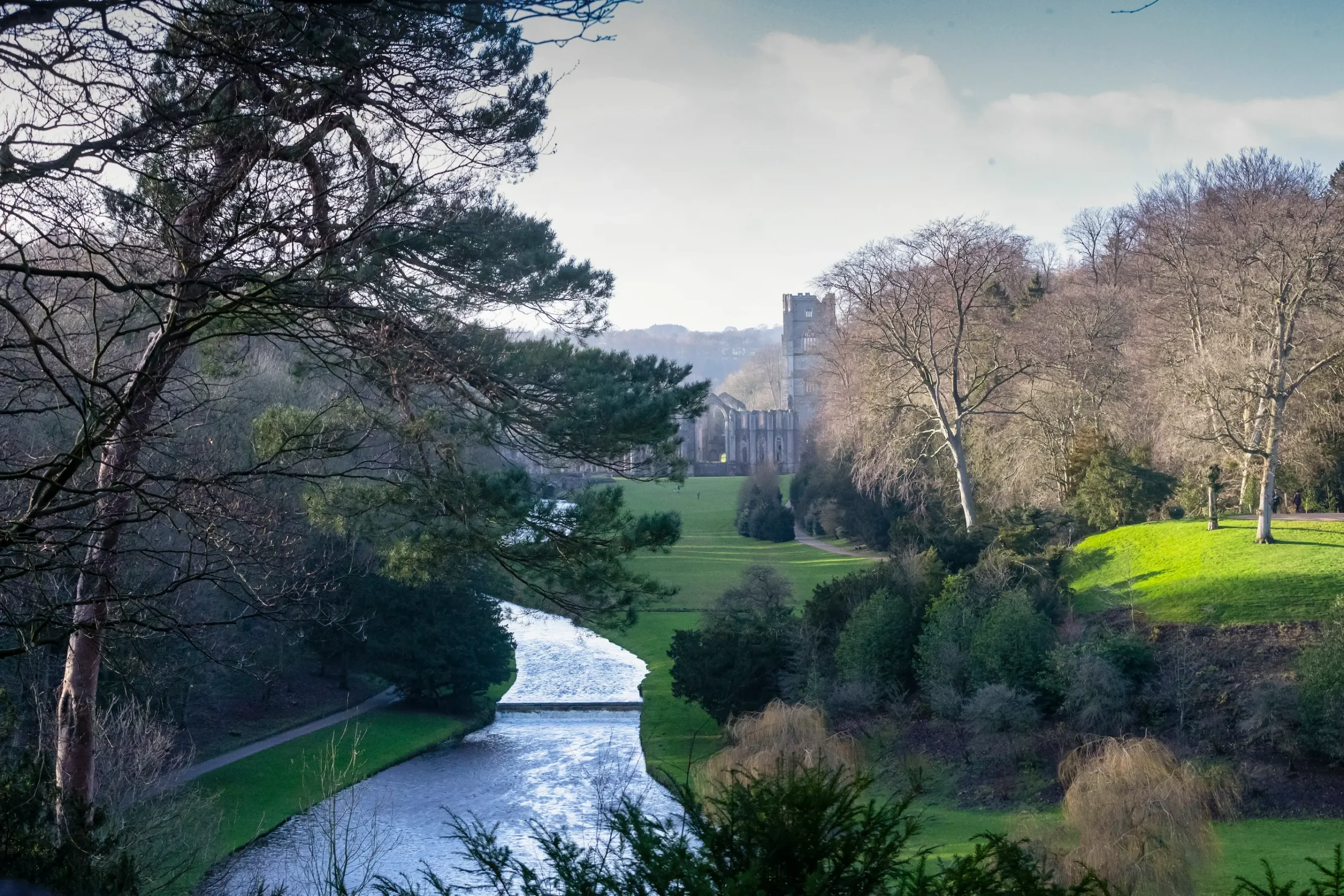
  • Studley Royal Park including the Ruins of Fountains Abbey WHS   combines the dramatic ruins of a medieval abbey with an exquisite 18th-century water garden and deer park designed to enhance the natural setting. The lakes, garden buildings, and create a seamless blend of history and nature that UNESCO praises as “a masterpiece of human creative genius.”


  •  Royal Botanic Gardens, Kew WHS combines scientific research, botanical collections with Victorian gardens, glasshouses, and parklands. The landscape with over 50,000 living species tells a story of global plant exploration, influence and garden design evolving over centuries.


  •  Maritime Greenwich WHS includes the carefully designed Greenwich Park, one of London’s oldest enclosed Royal Parks with 17th-century planned vistas and gardens that add to the Site’s outstanding universal value.


  •  Derwent Valley Mills WHS is an industrial revolution heritage site, with mill complexes and is surrounded by an extensive relic industrial valley landscape with well-maintained parklands and ornamental gardens linked to nearby estates, illustrating the rise social and environmental values of this era.


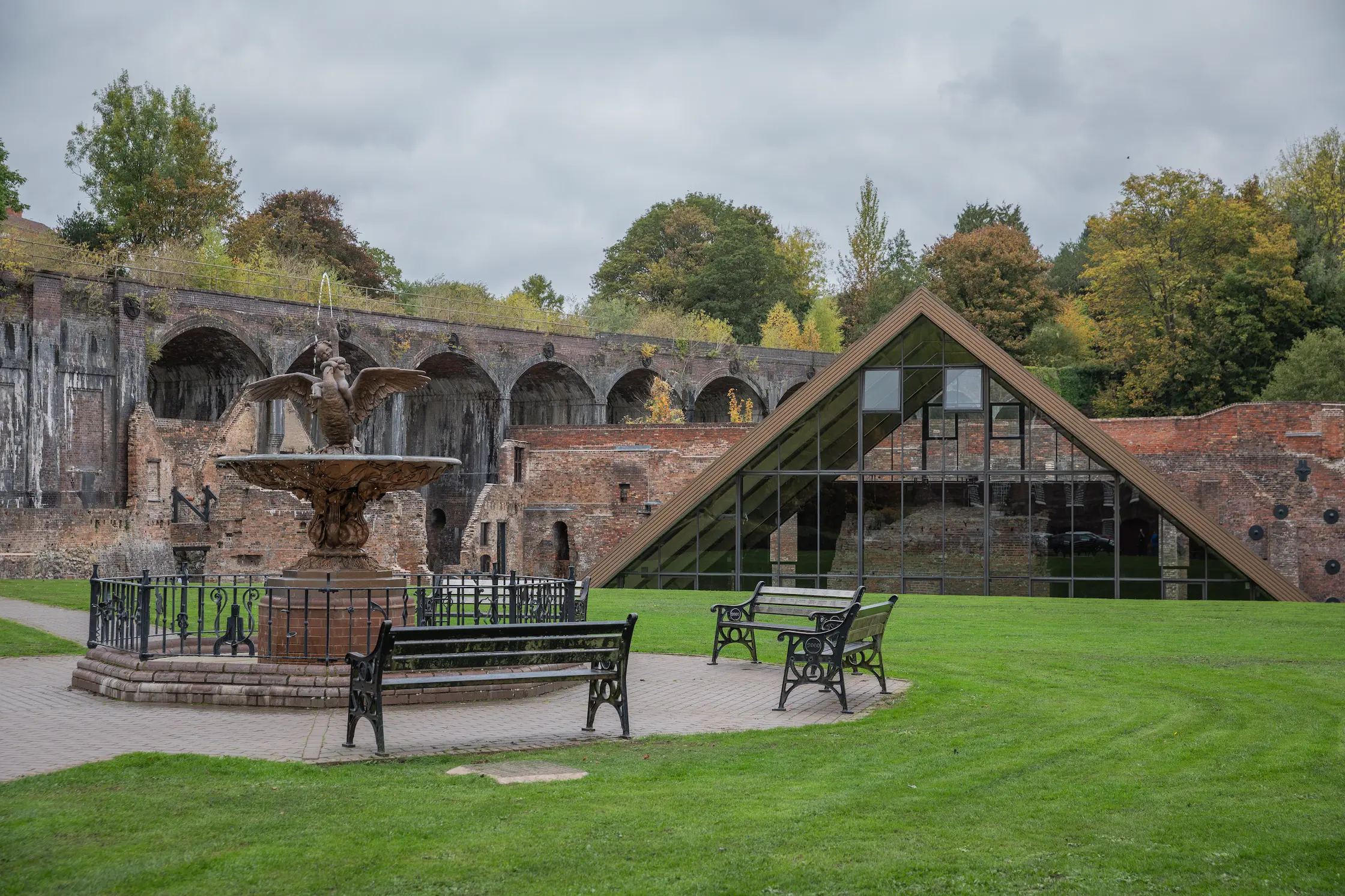
  • Ironbridge Gorge WHS as the birthplace of the Industrial Revolution, the Site features designed parks and gardens within its setting where landscaped grounds provided aesthetic pleasure and social benefits alongside industrial innovation.


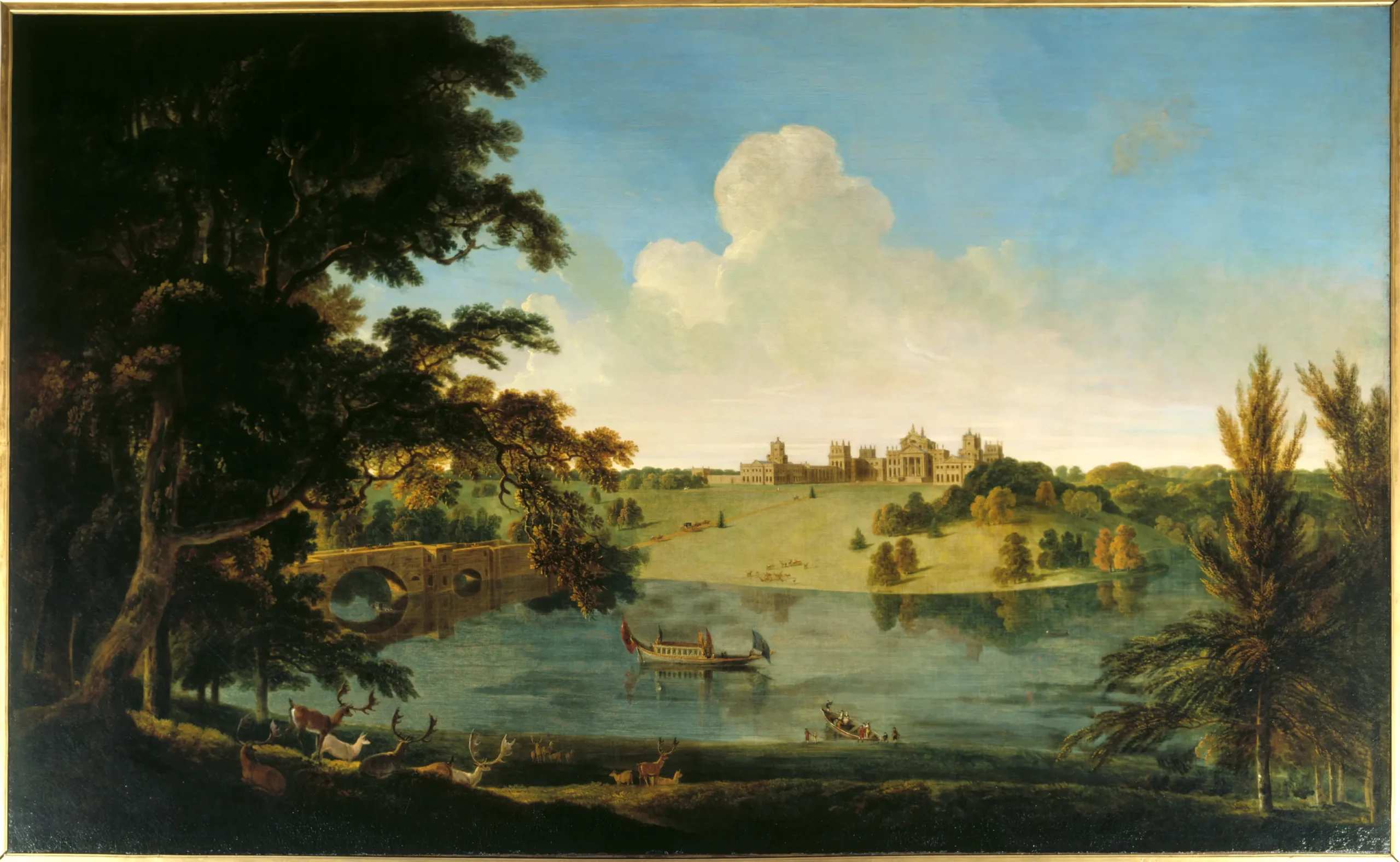
  • Blenheim Palace WHS celebrates in its setting the early 18th century grand John Vanbrugh’s landscape overlaid by Capability Brown’s masterpiece of the English Landscape style.


  • English Lake District WHS is an extensive cultural landscape that includes many historic grand houses, gardens and parks together with harmonious designed landscapes that demonstrate the Romantic and Picturesque Movements of the 18th century.
The Background to World Heritage Inscription

The 1972 UNESCO World Heritage Convention defines the standards and criteria for sites of “Outstanding Universal Value” (OUV) — cultural or natural significance so exceptional that it transcends national borders and belongs to all humanity.

As a signatory the UK has an obligation to protect, conserve, and manage these sites for future generations. The UNESCO process for World Heritage designation requires a long and rigorous evaluation and significant commitment by the State party applicant and local stakeholders.

Managing and Protecting World Heritage Sites

A complex network of 500 national, regional, and local organisations in the UK have roles in managing and protecting WHSs.

Local authorities, public partnerships, government agencies, the National Trust, and charitable trusts all play a part. Sites are managed locally through non statutory WHS Management Plans and dedicated WHS Coordinators are in place at all Sites to raise the awareness of the significance and benefits of WHS through community engagement.

World Heritage status can bring prestige and tourism and other benefits, but it also brings challenges in balancing new development and visitor pressures with conservation. A stronger national strategy, clearer legislation, and more consistent funding to protect and harness the potential of UK WHSs for community wellbeing, economic regeneration, and cultural diplomacy is needed.

Historic Designed Landscape as UK World Heritage Sites

Topics

The idea that gardens can support healing is not a modern innovation, but a recurring theme within the history of designed landscapes.

Topics

Designed to improve our health and community cohesion, playgrounds began as ‘gymnasia’ for all to use.

Topics

From ancient shrines to 18th century entertainment spaces we explore the development of grottoes in gardens.