Search

What is an historic designed landscape?

We often use the term ‘historic designed landscape’ but what does it include?

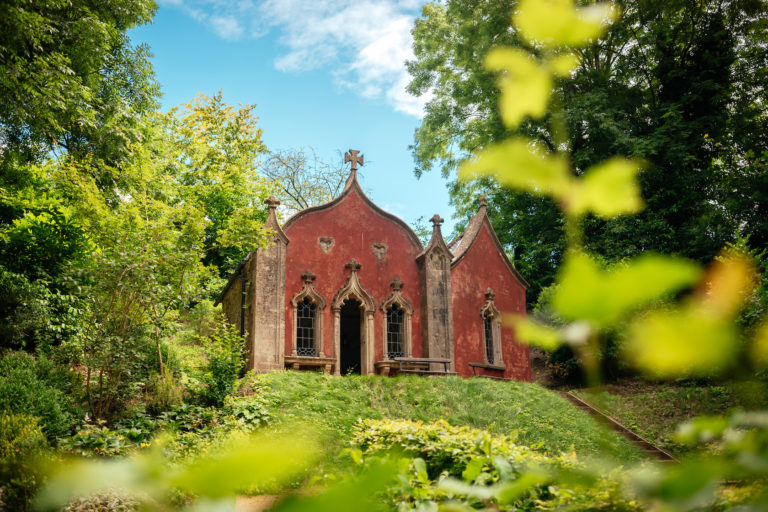
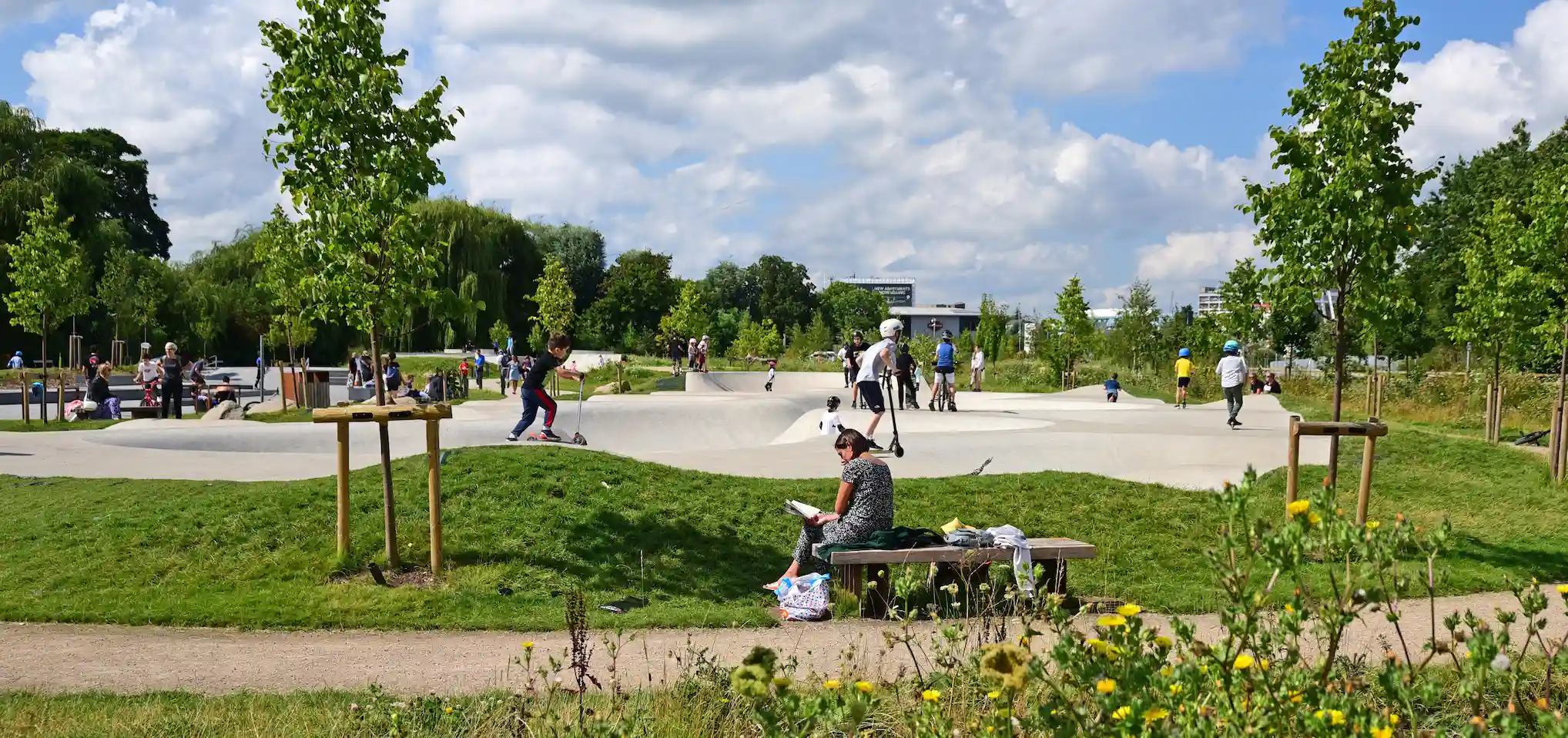
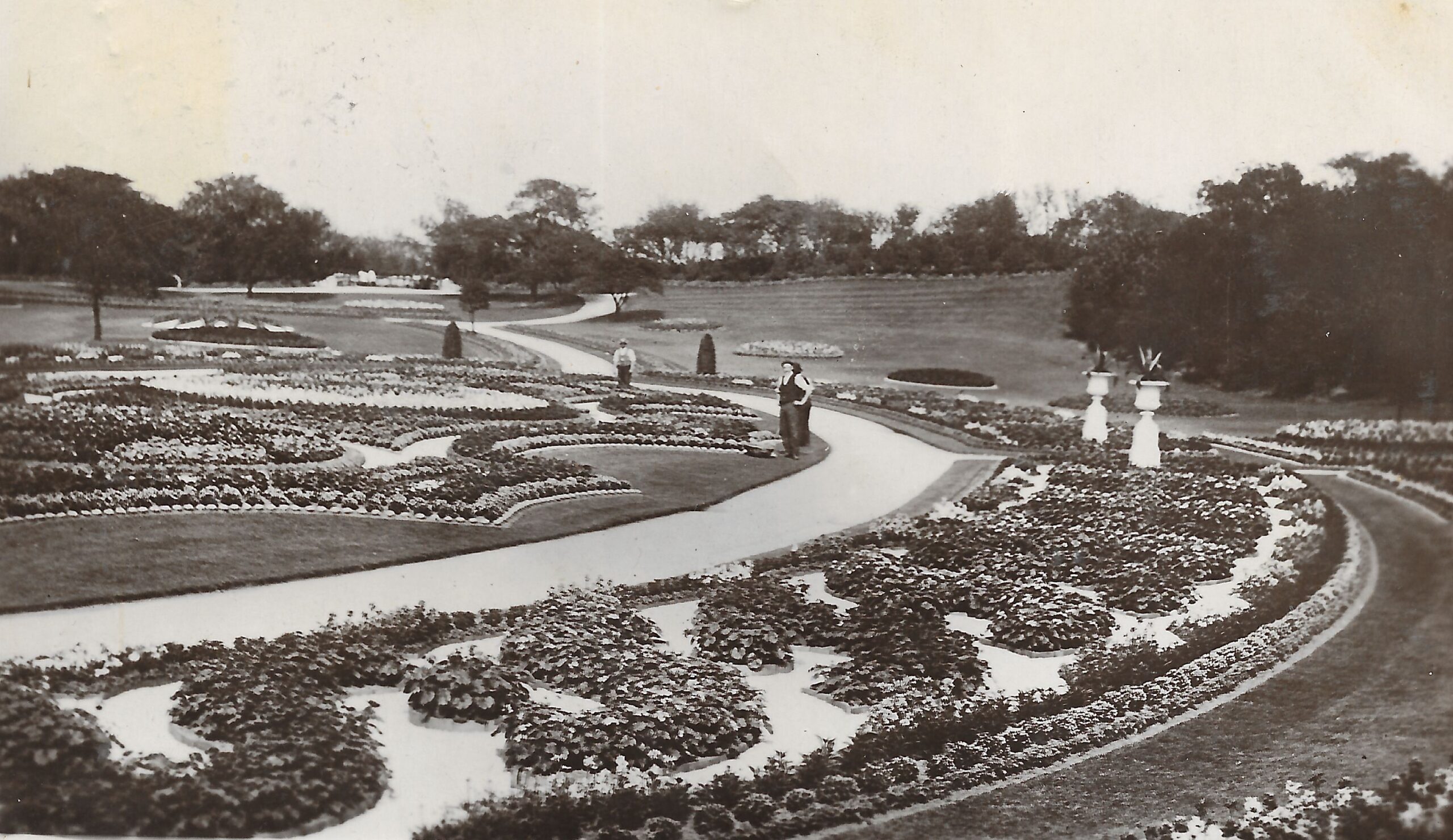
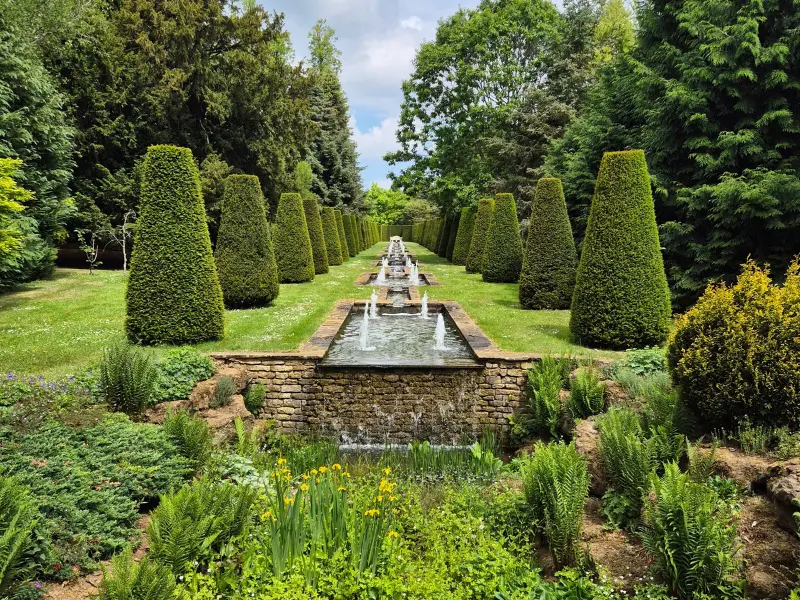
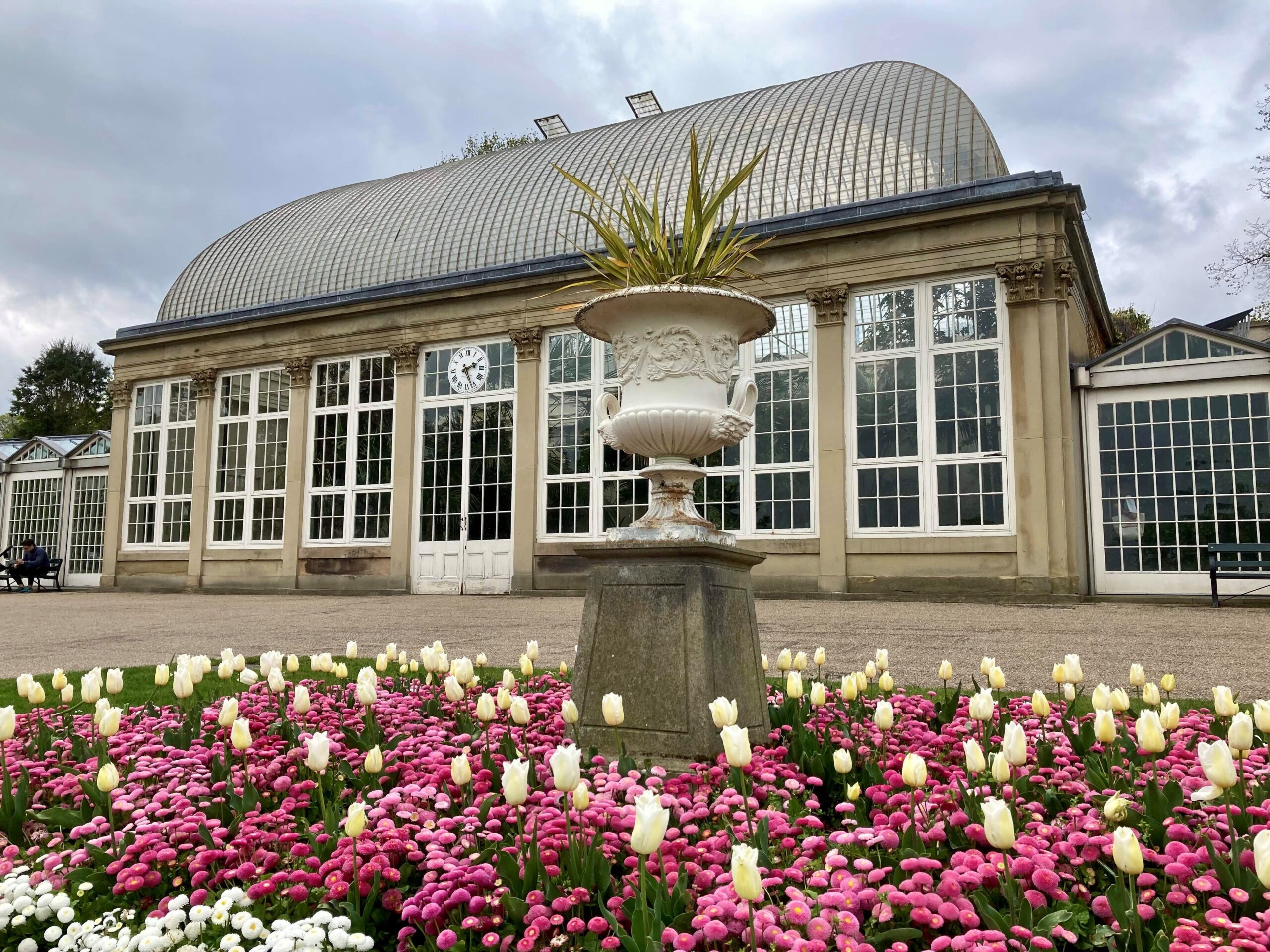
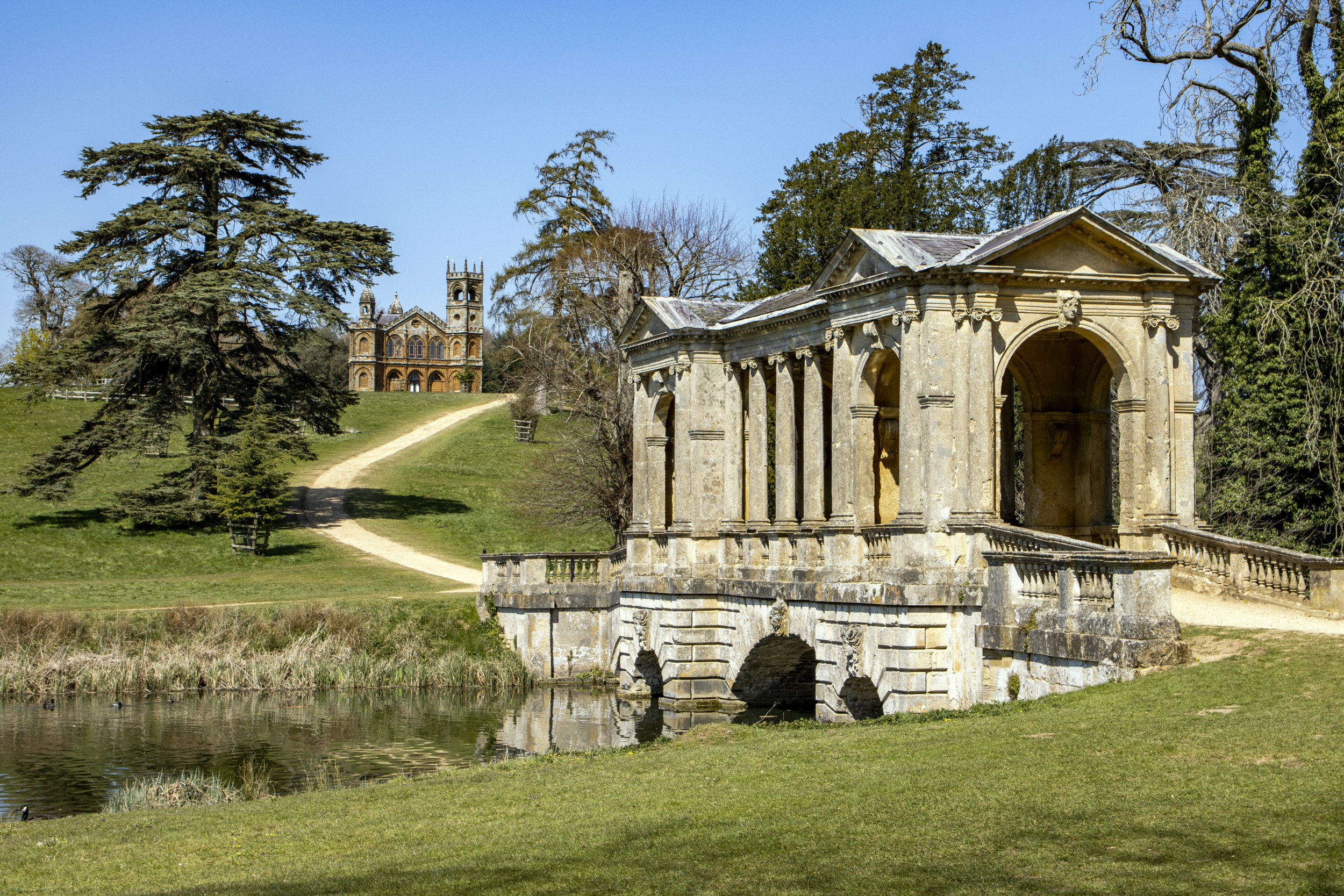
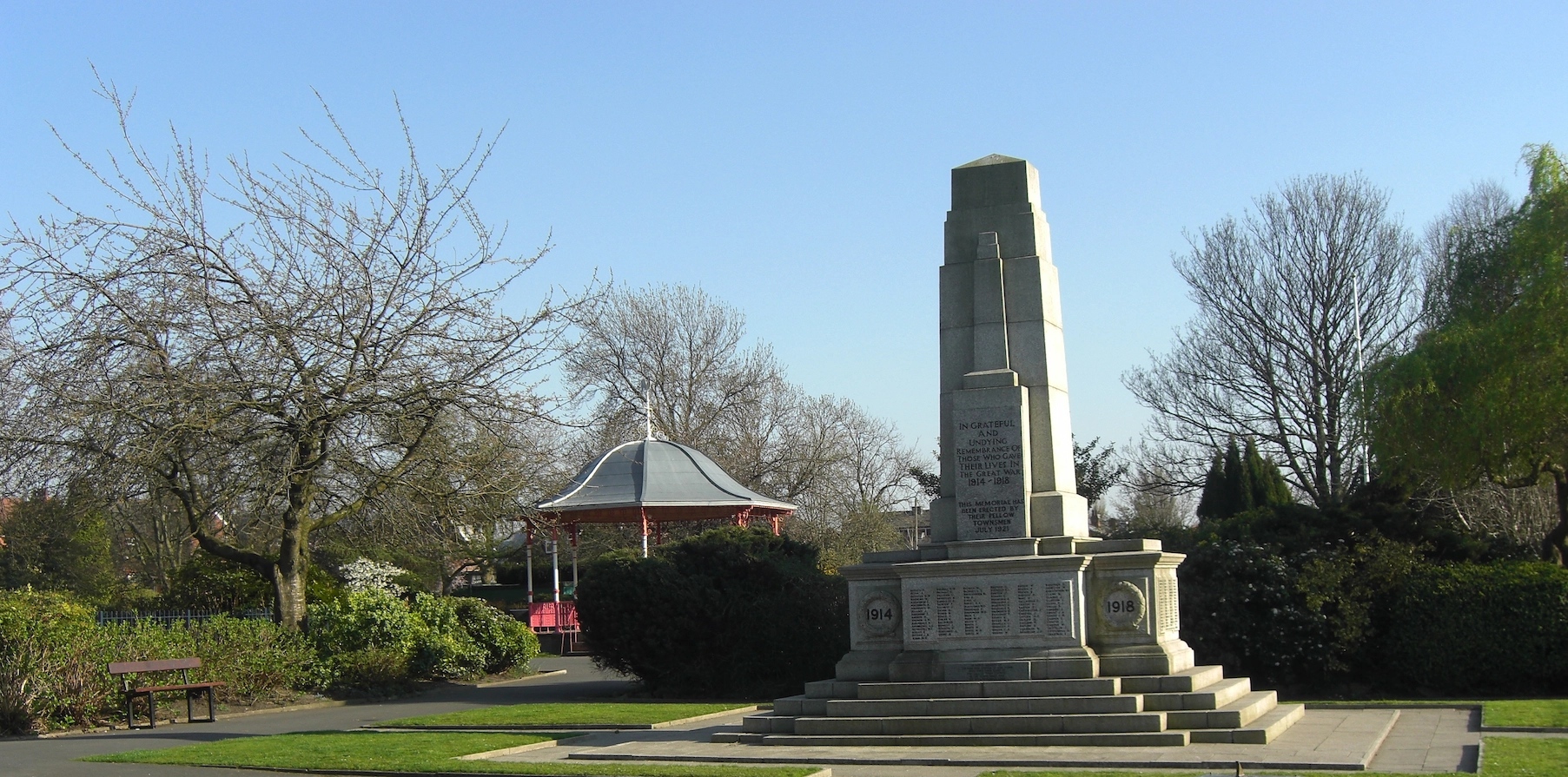
From private gardens to public parks, cemeteries and playgrounds, designed landscapes are all around us.

Designed landscapes are all around us

Designed landscapes are those which have been created and modified for aesthetic appeal and every generation adds to the canon of landscape design reflecting changes in taste and fashion.

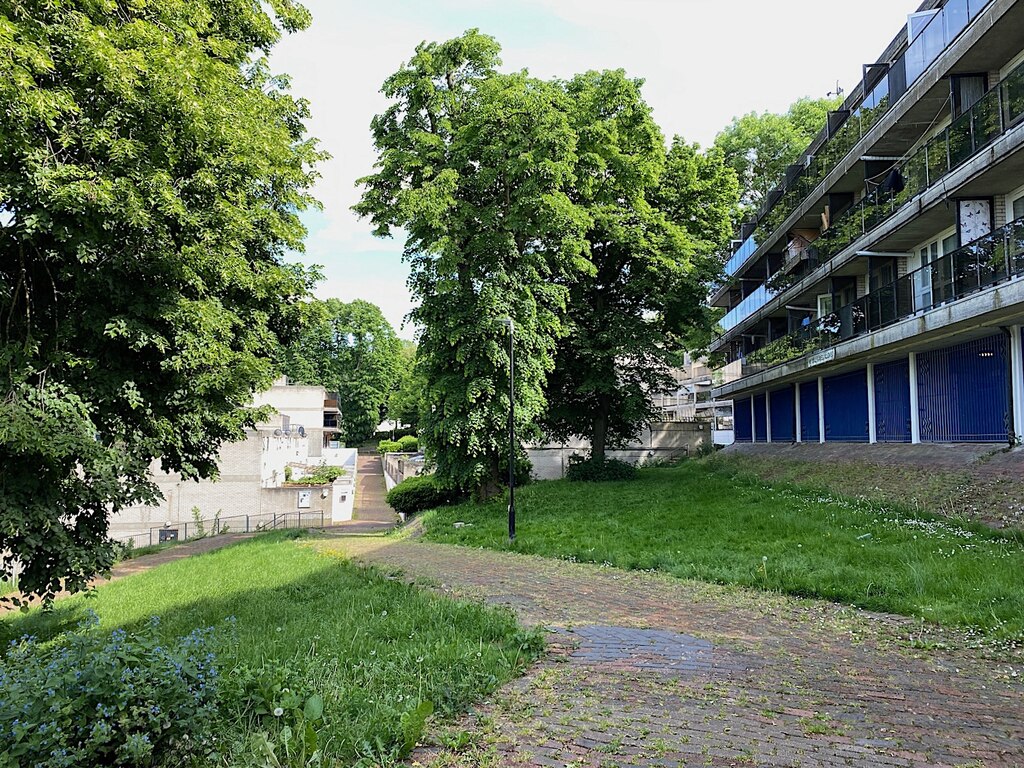
There are a vast range of these designed landscapes from motorways to pocket parks on street corners and they span every sector from private homes to housing schemes, shopping centres and business parks, schools and universities, and visitor attractions.

Designed landscapes can be elaborate or naturalistic. Whether places for recreation, settings for buildings or the masterplans for developments and towns, they are all designed for their sensual appeal and to be enjoyed. Older designed landscapes have matured to become valued wildlife habitats and today designs will include nature features.

This wonderful eclectic mix reflects the artistry and talents of professional designers, horticulturalists, artists, and individual owners.
 

When does a designed landscape become historic?

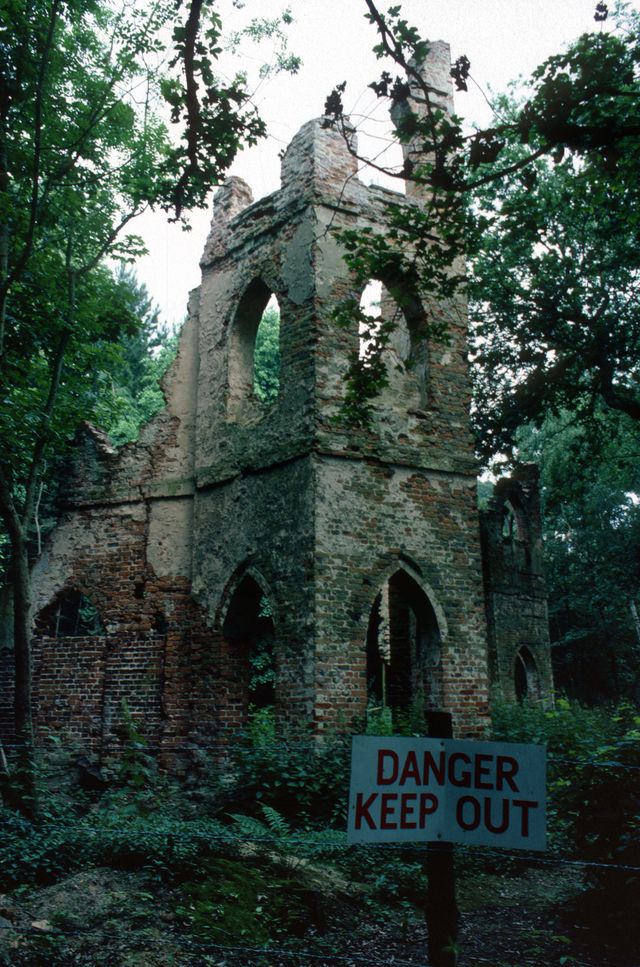
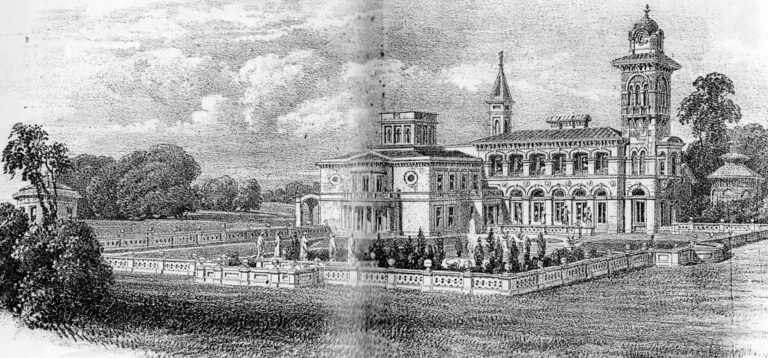
All designs over 30 years old may be considered as historic. This 30-year-old rule is used across government for the transfer of documents to archives and in the listing of buildings.

In the case of landscapes, it allows time to test the significance of the design and its role in garden history. Generally, for designed landscapes, it will take more than 30 years for trees to mature and the designer’s intent to be fully revealed.

What is an historic designed landscape?

Topics

The Society has produced an Annual Report since 1833 and these invaluable records are now available online

Topics

A park or garden is more than a single focal point like a fountain, their true charm lies in the full sensory experience of a place including distant views, soothing sounds, and crisp, fresh air.

Places / Topics

One of the city’s most enduring innovations has been quietly shaping lives for almost two centuries.