Search

Sheffield Botanical Gardens

A prominent example of an English botanical garden

Established to provide recreation and education for the growing middle classes, Sheffield Botanical Gardens was first designed by Robert Marnock in 1834.

The creation of Sheffield Botanical Gardens

In the time before public parks, several provincial English towns established botanical gardens to provide recreation and education for the growing middle classes. One prominent example was created to the south-west of industrialised Sheffield.

People gained the right of entry to the new Gardens by purchasing shares in the organising society, which in turn funded the acquisition and laying out of the 7.5-hectare site. An 1834 competition to find the best design was won by young Scottish landscape gardener Robert Marnock (1800-1889). Leaving his role as head gardener at Bretton Hall, Marnock moved to Sheffield to oversee the creation of the Gardens, and served as their curator for six years. He was to become one of the century’s best-known designers and horticulturalists.

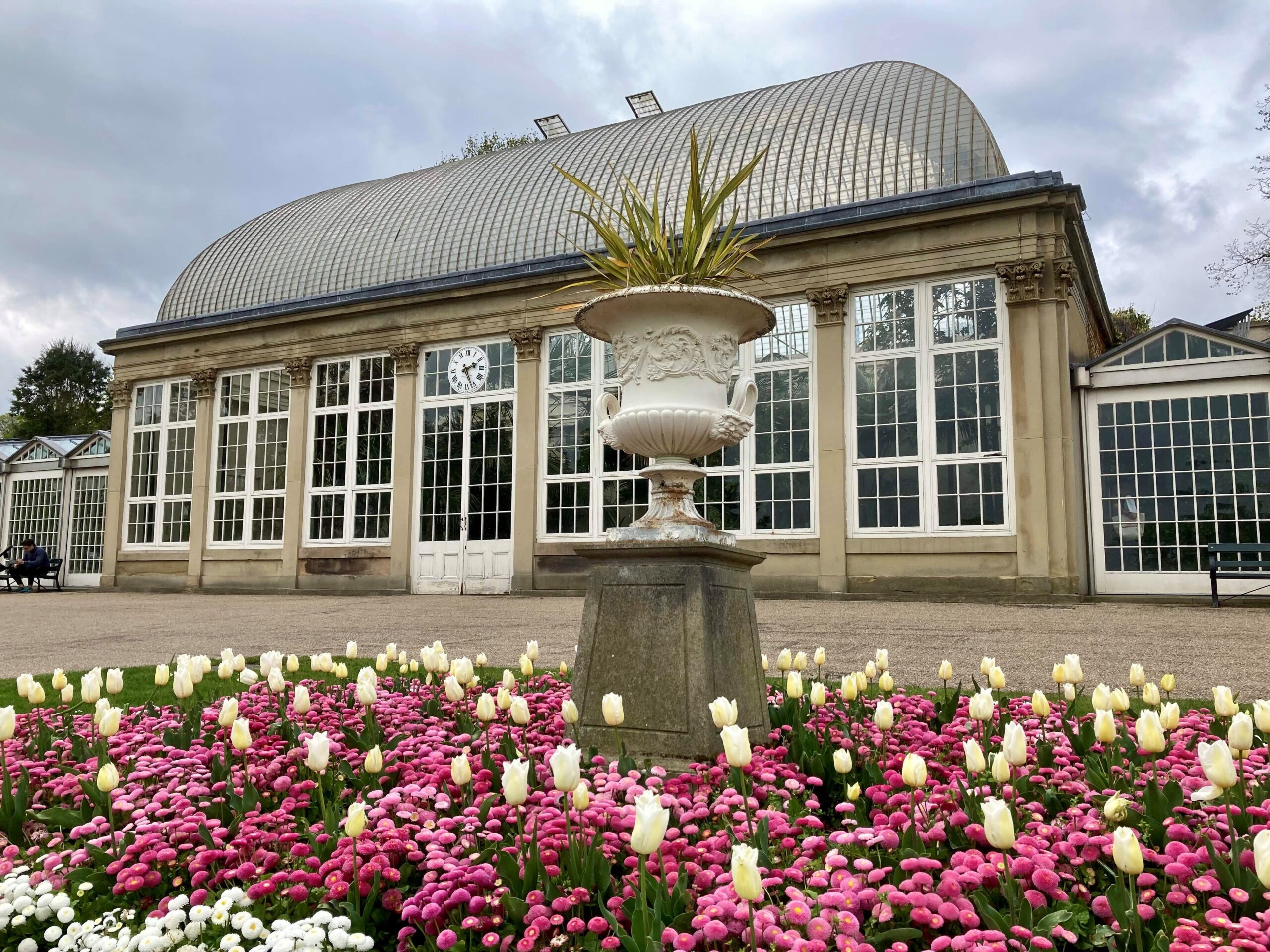
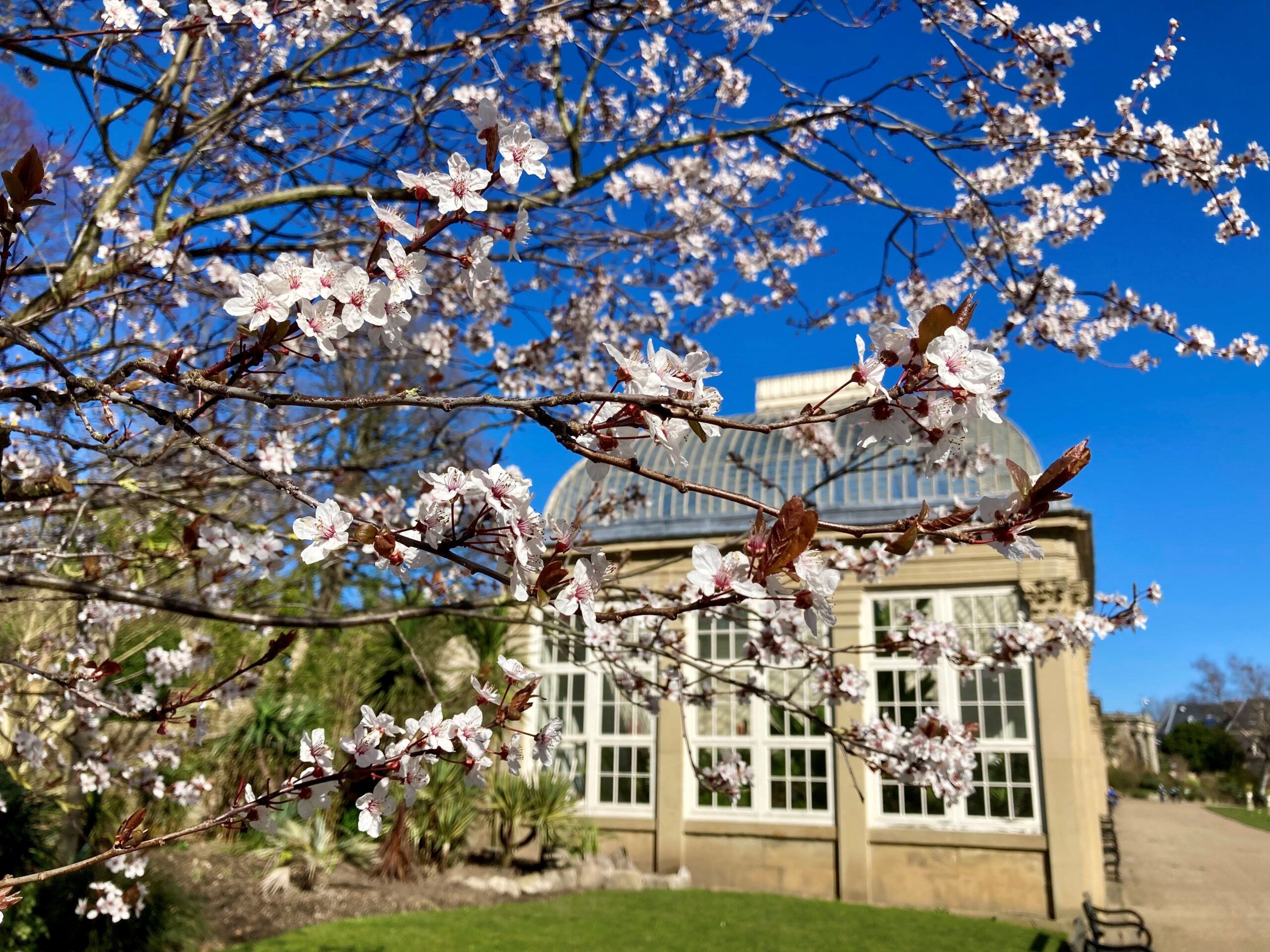
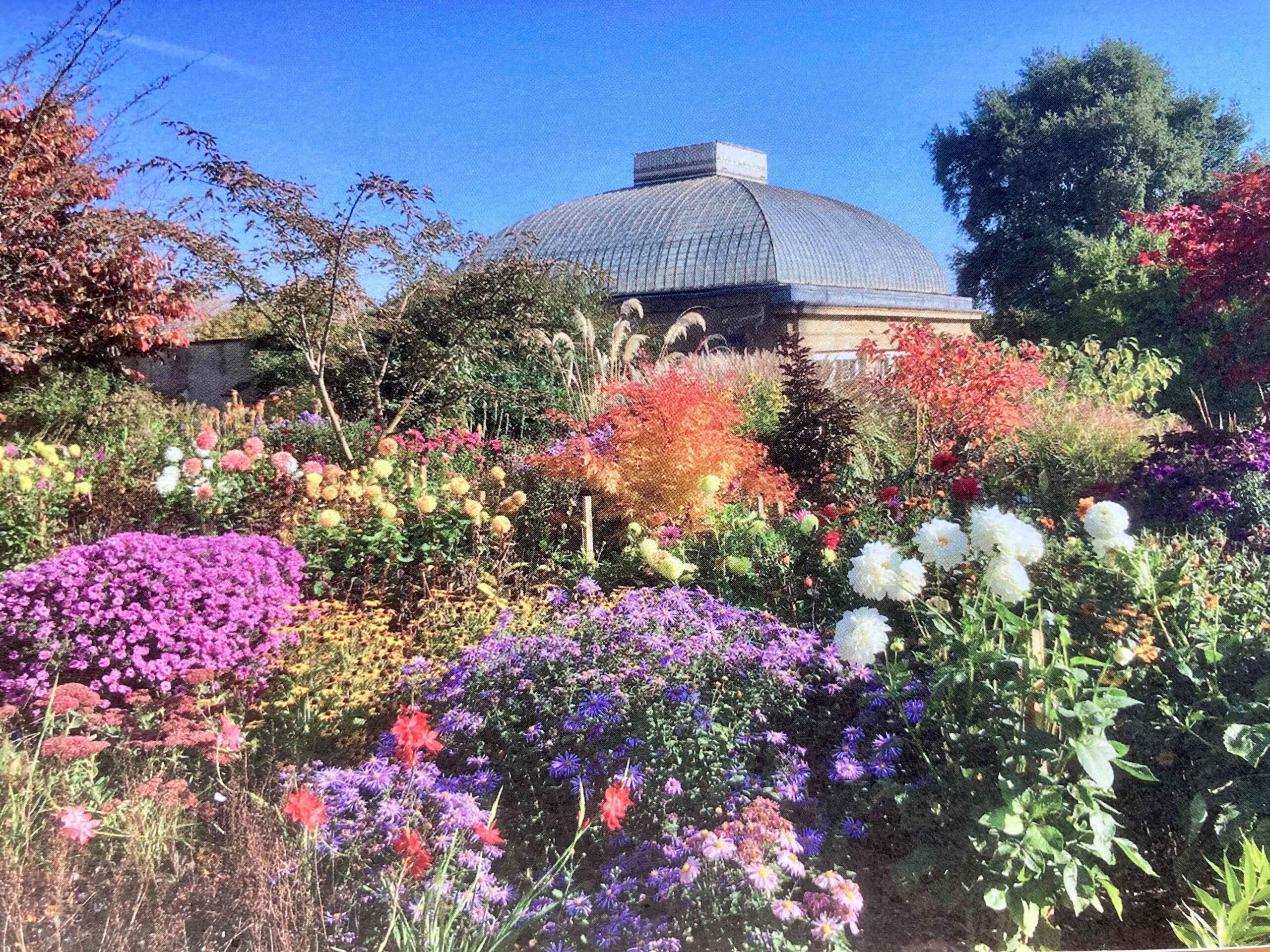
Marnock was supported in the design of the garden buildings by local architect Benjamin Broomhead Taylor (1806-48). Striking prospects were created within the sloping site and across neighbouring landscapes. On the high ground to the north, they built 90-metre-long glass pavilions, consisting of three domed conservatories linked by glazed walkways, alongside a Classical gateway and Gothic Revival-style lodge to the south.

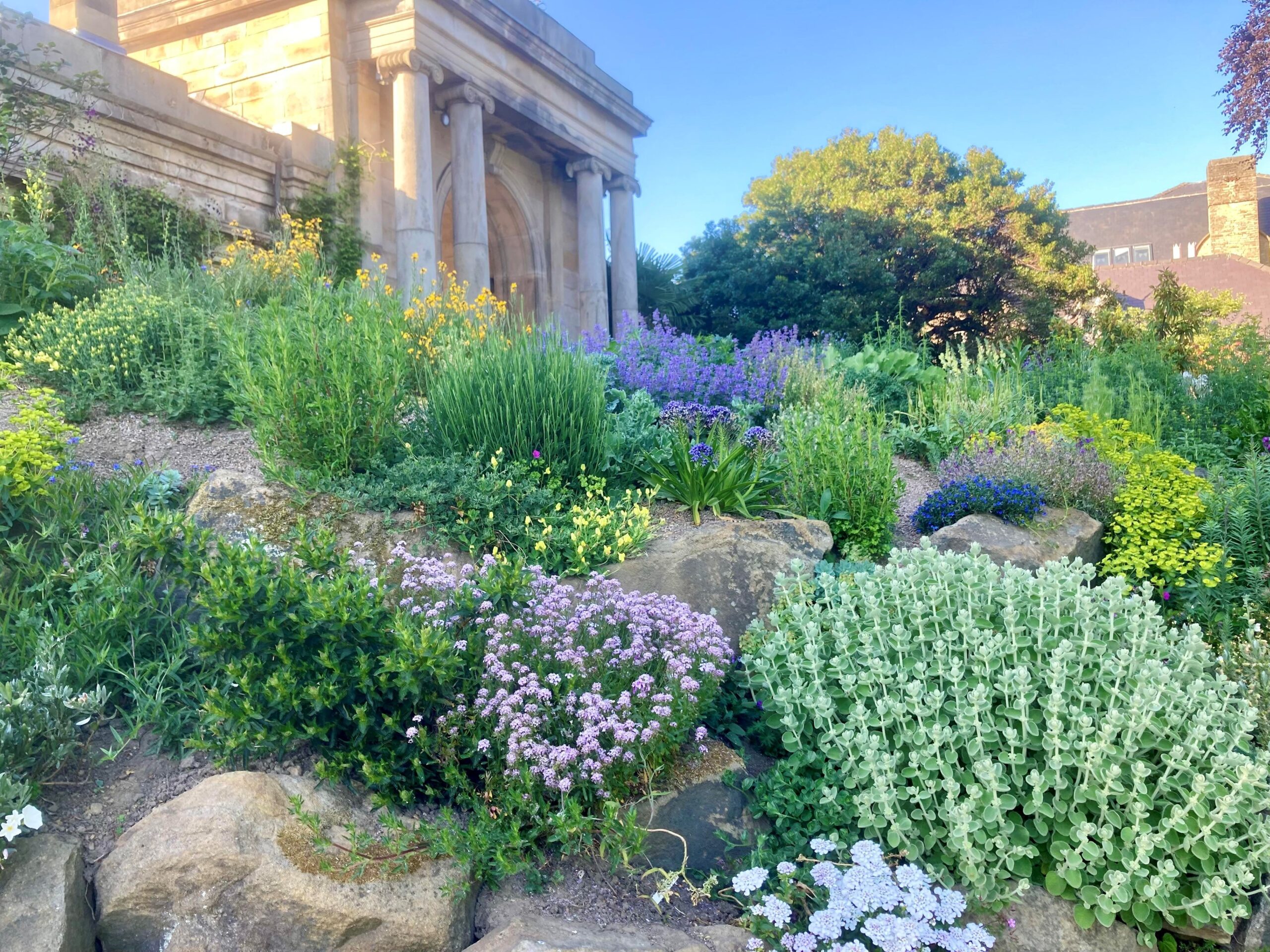
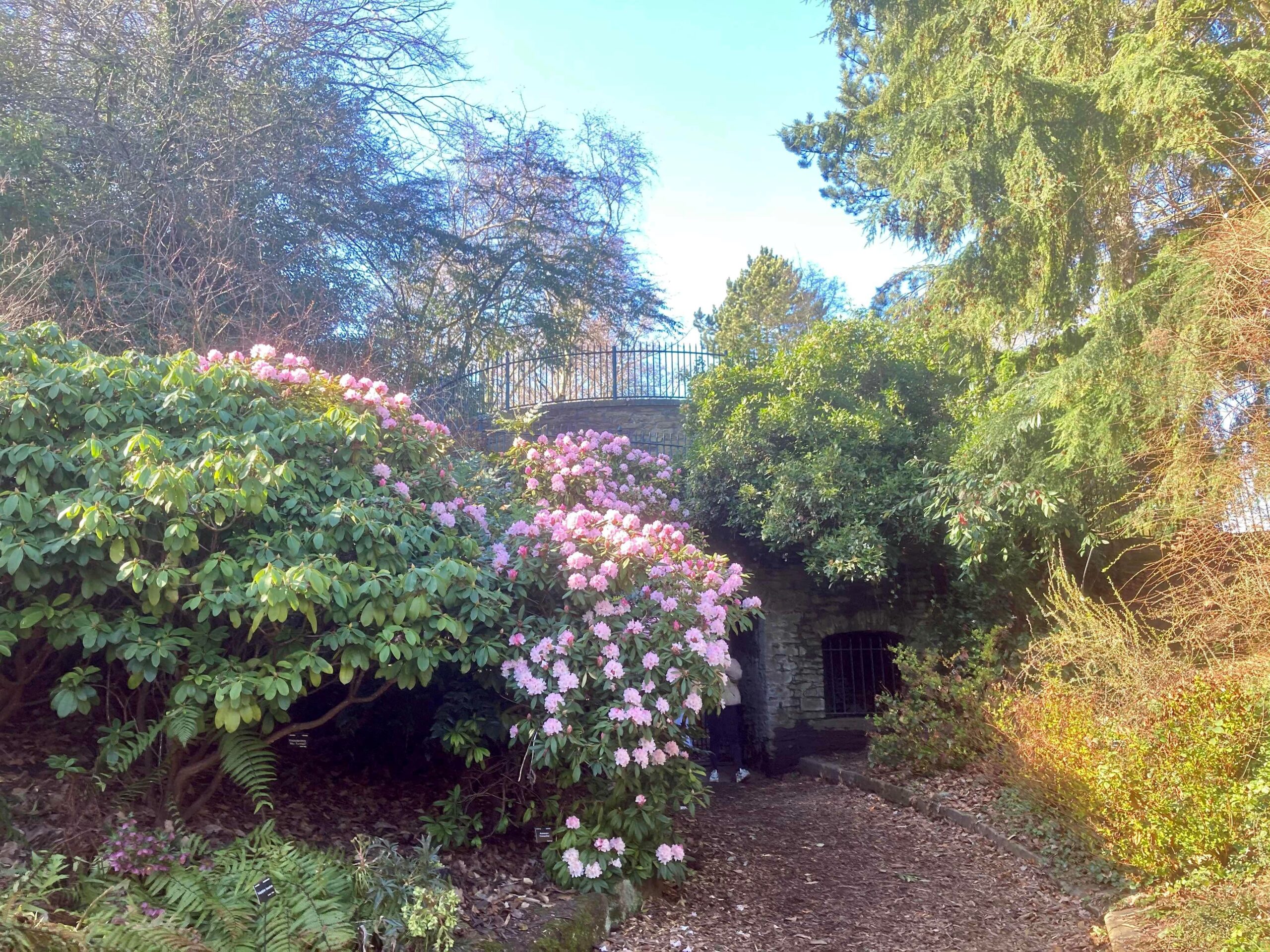
Still visible on the ground, the layout displays Marnock’s characteristic mix of grand formal terraces and broad walks for promenading, surrounded by lawns, with more intimate paths winding gently among woodland, naturalistic ponds and artificial rockwork.

Plant and animal collections

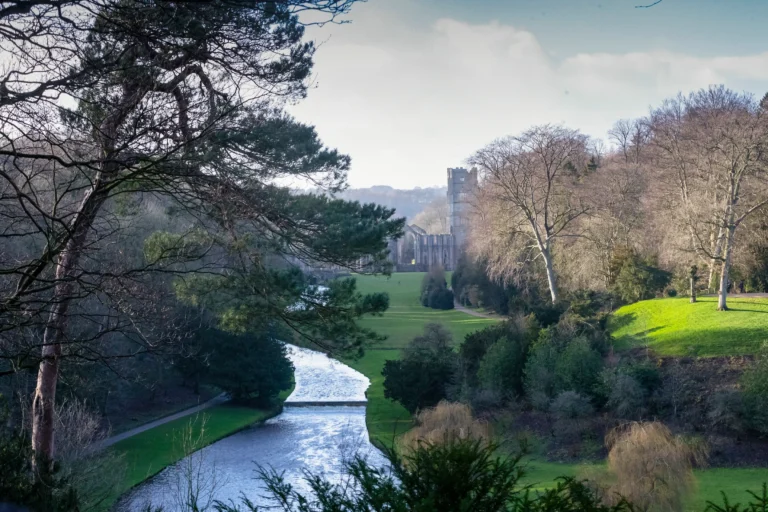
Marnock quickly established impressive collections of woody and herbaceous plants. Many species had been recently introduced to England as a result of colonial trade, and were illustrated in the Floricultural Magazine, published by Marnock from 1836. The Gardens are still renowned for their fine collection of trees, a few of which may be Marnock plantings.

The Gardens also included a selection of animals to amuse and educate visitors, most notably a black bear in its own pit and cages of monkeys, which delighted visiting schoolchildren. The animals disappeared after the gardening journalist J C Loudon opined that the repose of the Gardens was being destroyed by their ‘filth, stench, roaring, howling, and other annoyances’.

The past and future of Sheffield Botanical Gardens

The new Gardens were much praised but failed to become financially sustainable. In 1898 they were saved by the charitable Sheffield Town Trust, which paid off shareholders and opened the Gardens to the public.

The Trust extended the southern boundary and added new stone and wrought-iron entrance gates to attract working people from nearby mills and factories.

After a blitz attack damaged the pavilions in 1941, the City took over management and made repairs, but budget cuts later in the century saw the Gardens decline. They were saved by a major restoration programme, completed in 2008, supported by a Heritage Fund grant of over £5 million.

The Gardens are still owned by the Town Trust and managed by Sheffield City Council. They boast a dedicated education centre and are supported by numerous volunteer gardeners, a Friends group and a charitable trust.  With the restored pavilions seen by many as a symbol of Sheffield, the Gardens are open free to the public all year.


This article is an excerpt from our Unforgettable Gardens book (Batsford, 2024) . Read more about Sheffield Botanical Gardens and many other unforgettable historic designed landscapes across Britain by ordering your copy here.

You can also find out more about the gardens on their website Sheffield Botanical Gardens Trust or more about the volunteers who care for it at the Friends of the Botanical Gardens Sheffield website.

Sheffield Botanical Gardens

Garden Historians

Parks manager, historian, author and public speaker Dr Paul Rabbitts tells us how he began his career in parks management.

Topics

One of the greatest ‘inventions’ of the 19th century was the public park. Today, we all use them – and love them – but what do we actually know about them?

Topics

From the Ancient Greeks via 17th century Dutch firefighters to modern day gardeners the history of the hosepipe is far from straightforward.