Search

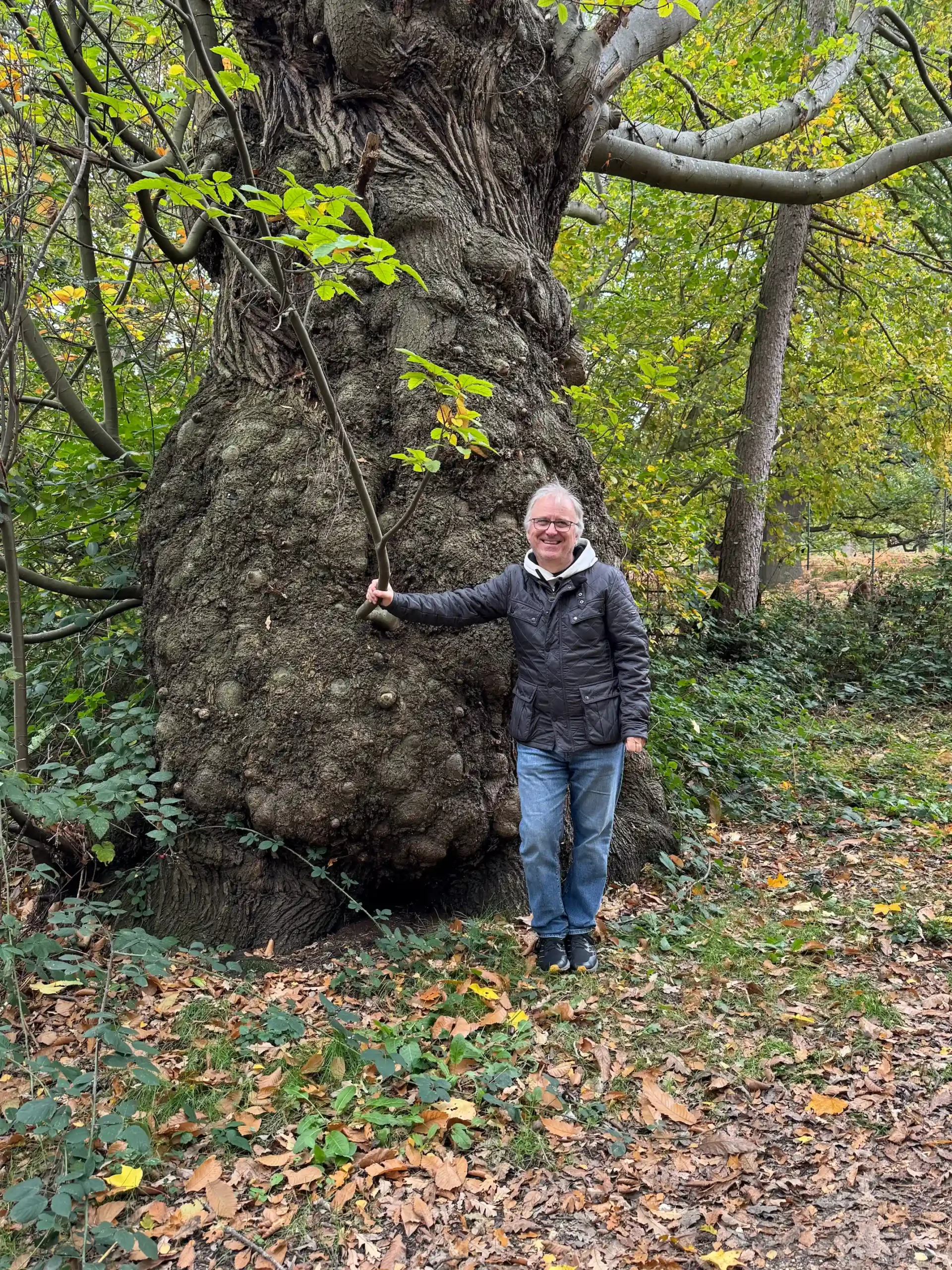
Dr Paul Rabbitts

Garden Historian Career Profile

Parks manager, historian, author and public speaker Dr Paul Rabbitts tells us how he began his career in parks management.

How did you get into public parks as a career?

I almost fell into the management of public parks. A degree in Geography and a Master’s degree in landscape architecture led me into my first job as a landscape architect on Jersey and then to Carlisle City Council into a traditional parks department.

My projects were nearly all parks related and I think it was the award of one of the first Heritage Lottery Funded parks projects for Hammonds Pond, a 1923 run down park that I felt I was a ‘parkie’. To be honest I was never a great landscape architect but had a real rapport with parks management and their restoration. This followed through with career moves to Middlesbrough Council and eventually Watford Borough Council where I got the dream job, Head of Parks. I have had parks since then, although additions regularly occur!

You’re an active advocate for public parks and prolific author. What impact do you think this has had and what could others do to promote the value of them?

I have always been an advocate for quality parks, with my work as a Green Flag Judge, the Parks Management Association but I feel that by talking about them to groups such as Women’s Institutes, U3As, local history societies, arts societies are important. I squeeze in 50 talks every year as well as write about them. The impact may be hard to evaluate but every book, article, lecture, feature must count.

You are also a Green Flag Judge and have visited many parks. What’s your top 3 parks and why?

So many parks visited, but the three that stand out for me are Richmond Park – wild and rugged, oozing history; Regents Park – horticulture at its best and the impact of architects John Nash and Decimus Burton; and Cassiobury Park in Watford – always in the top 10 parks every year and one of my favourite projects.

Recent articles

Topics

Not every important landscape has a celebrated designer. Some survive, for a while, in the names of leaves and in the memories of people who tended them.

People

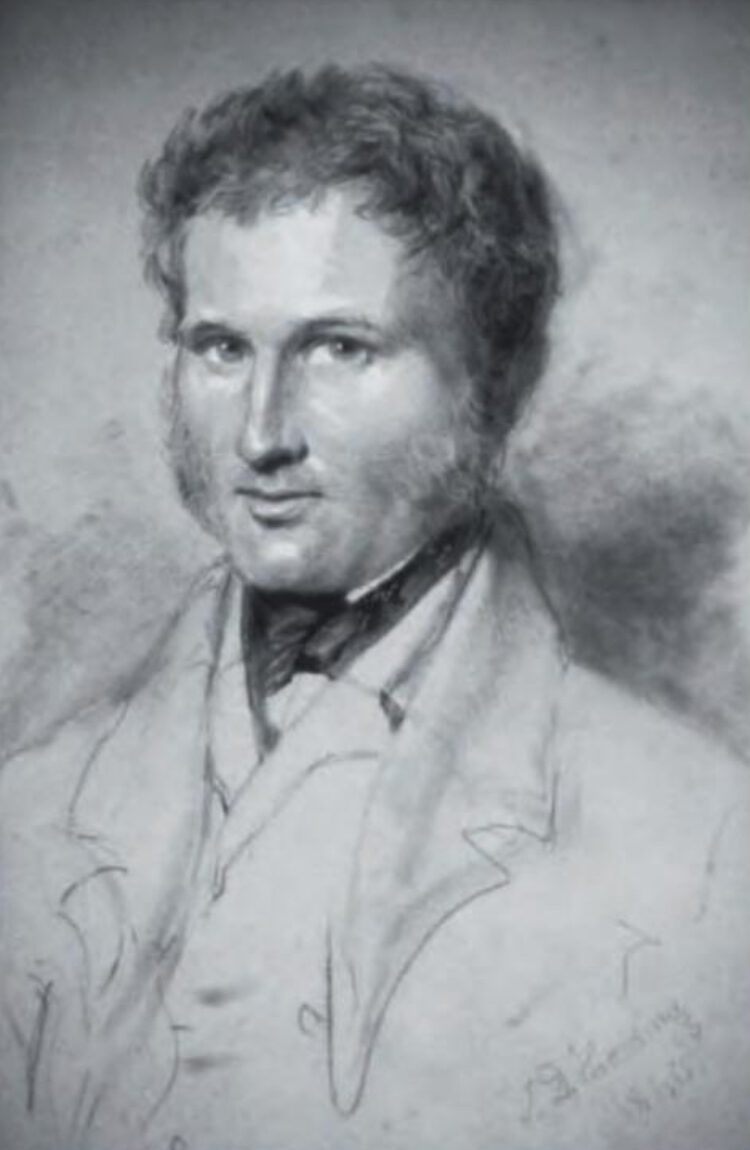
One of the 19th century’s most popular landscape designers, with some 250 commissions to his name. In 1840 the gardening journalist John Claudius Loudon praised his painterly landscape designs as so successful ‘that his opinion is now sought out by gentlemen of taste in every part of the country’.

People

Few people today have heard of garden designer Percy Cane. Yet at the height of his career in the 1950s, Country Life said he was as much in demand as Capability Brown had ever been.

People

The Hermitage was Elsie Wagg’s much-loved Sussex home, but her garden inspired something much bigger. In 1926, she came up with an idea that would open hundreds of gardens across England and Wales

People

In the late 17th century, Mary Somerset, Duchess of Beaufort, described gardening as her “innocent diversion”, yet this apparently genteel pastime became an ambitious enterprise of cultivation, collecting and botanical investigation.

Topics

In 1927, something rather unusual was happening in gardens across England and Wales. Private gardens, normally hidden behind gates and walls, were opening their doors to the public – all in aid of nursing charities.