Search

Roman Gardens

Order, Utility and Pleasure

When we picture the gardens of the Roman period, our minds often leap to grand courtyards and marble statues, yet the reality was far more varied and influential than such images suggest.

Multipurpose and influential gardens

Roman gardens fulfilled not only decorative functions but also practical, social, and spiritual roles, influencing landscape concepts that continue to inform contemporary garden design.

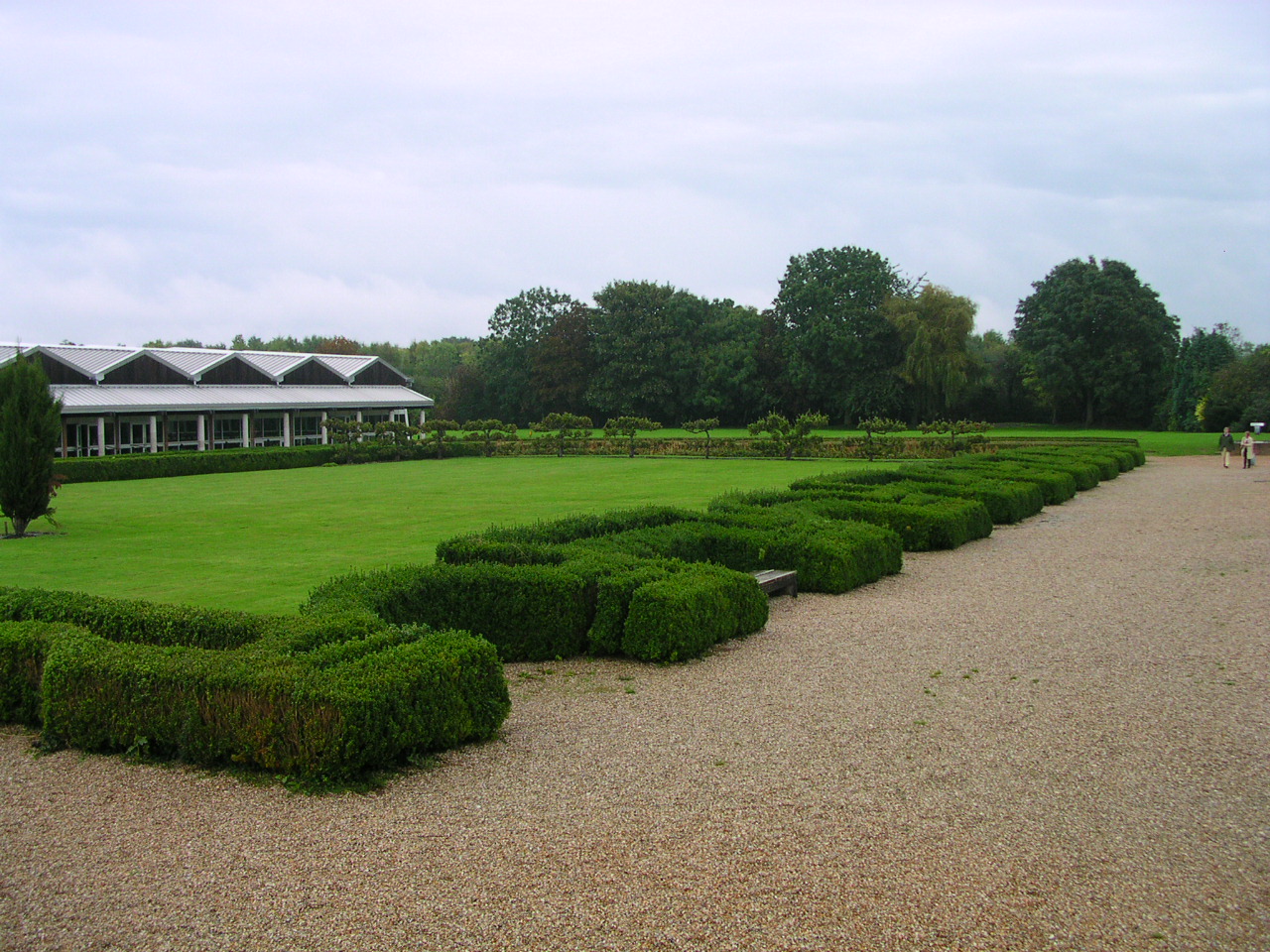
At the heart of the Roman home stood the hortus, a modest kitchen garden providing vegetables, fruit, and herbs essential to daily life. These plots were intensively cultivated, often bounded by walls that both sheltered plants and created a private outdoor room. For wealthier households, the peristyle garden became distinctive: a colonnaded courtyard adorned with clipped box hedges, fountains, and painted backdrops that blurred the line between built space and planted landscape. Archaeological finds at Pompeii and Herculaneum reveal how carefully these spaces were designed to integrate art, architecture, and horticulture, creating stage-like settings for leisure and dining.

Roman gardeners embraced order and geometry. Beds were laid out in regular patterns, paths aligned with axial views, and plants trained into shapes that reinforced the architectural framework. At the same time, they delighted in abundance. Vines, roses, cypresses, and laurels lent colour and fragrance, while fruit trees – figs, apples, pears, and pomegranates – combined beauty with utility. The Romans also developed a taste for exotic species imported through their empire, from plane trees admired for their shade to peacocks roaming in ornamental parks.


The role of Roman gardens

Beyond the domestic sphere, gardens played a role in civic and sacred life.

Public pleasure grounds, such as the Gardens of Sallust in Rome, offered shaded walks, statuary, and water features for the urban population. Temple precincts often included groves and sacred enclosures where planting reinforced religious meaning. In the villas of the elite, gardens expanded into landscapes: terraces overlooking the Bay of Naples, or hunting parks where artifice and nature blended seamlessly.

Their legacy

Roman garden culture left a deep legacy.

Their ideas of symmetry, enclosed courtyards, and axial planning were revived in Renaissance Italy and carried into later European design traditions. Even the humble kitchen garden, the hortus, is a direct ancestor of our potagers and allotments. To walk among clipped hedges or dine beside a fountain is, in some sense, to experience a Roman inheritance.

The Roman Garden was never simply a backdrop. It was a place of nourishment, reflection, performance, and power – a reminder that gardens, in all ages, are mirrors of the societies that create them.

Roman Gardens

Garden Historians

Parks manager, historian, author and public speaker Dr Paul Rabbitts tells us how he began his career in parks management.

Topics

One of the greatest ‘inventions’ of the 19th century was the public park. Today, we all use them – and love them – but what do we actually know about them?

Topics

From the Ancient Greeks via 17th century Dutch firefighters to modern day gardeners the history of the hosepipe is far from straightforward.