In 1973 aged 19 I left my shoemaker job to join Wigan Council’s Landscape Department; by 20 I was in charge of my first landscape team and soon became a Craftsman Gardener. Two of our designers were garden history enthusiasts and advised on books to read; I took the advice and soon recommended books for them to read! We had many historic parks and I learned much about sensitive treatment on vulnerable sites.
By 1991 I’d been managing five landscape teams before becoming Landscape Estimator, Planner and Training Coordinator. Our office was within a huge library offering access to archived historic garden reference books and documents. My passion for design soon led to joining the design team and eventually becoming head of Section.
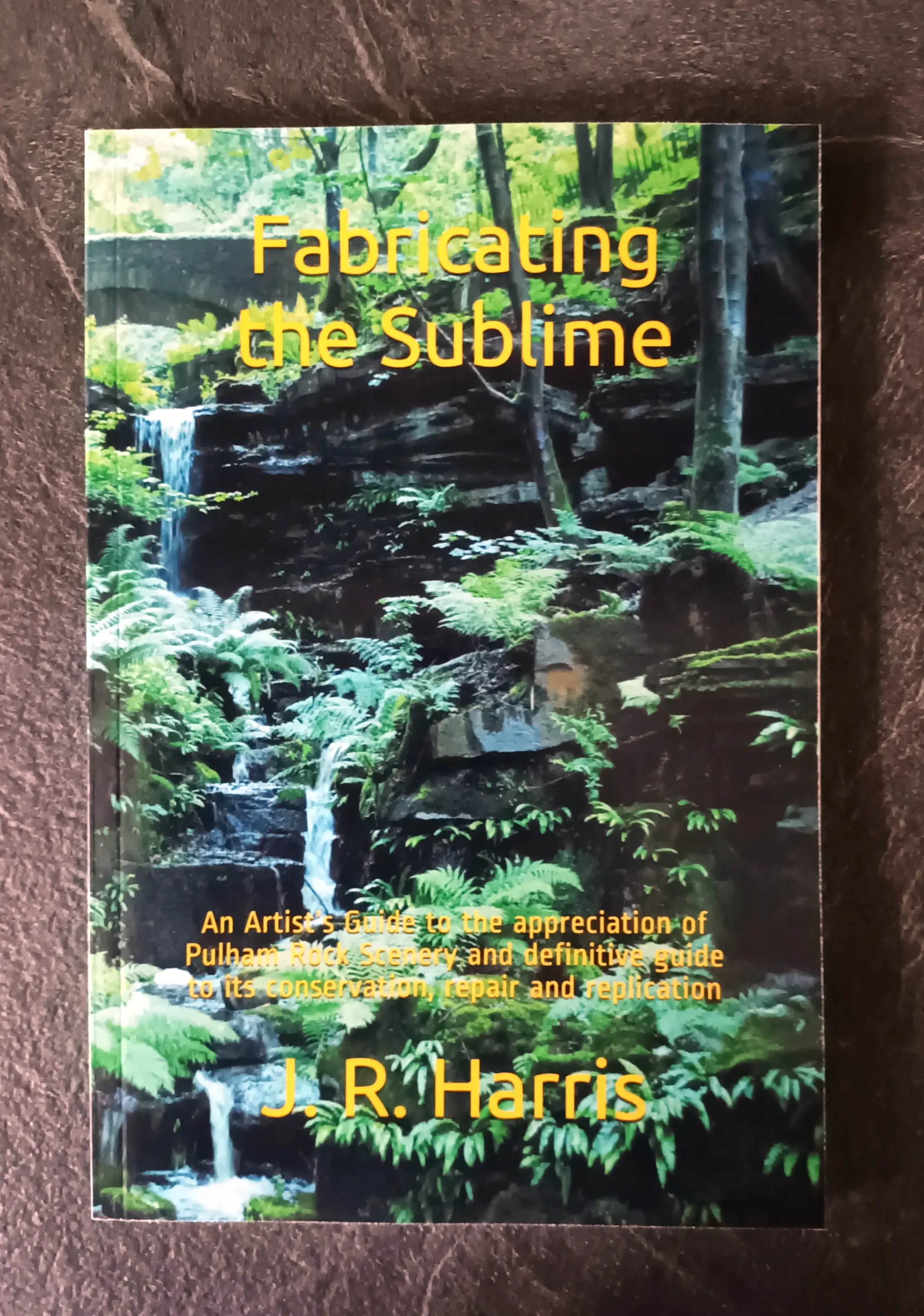
I created Masterplans for our important historic sites, which considered integrity of the original designs: but playing a key role in an HLF bid for grade II Mesnes Park in Wigan opened doors for me. We had to convince HLF that we knew our history and I scoured flimsy resources to discover the original designer (John McClean), scrutinising two other known parks he’d designed and looking at the commonalities and discernable differences in his design to understand him. During the process we sought an expert on celebrated Pulham and Son ‘rock scenery’ (a feature in the park protected by listing) for advice on repair. Having failed to find an expert I researched their work and visited many sites (later writing an instruction manual).
During my 38 years in Wigan’s Landscape Department I also freelanced at evenings and weekends lecturing in horticulture, design and garden history at various colleges including the OU and School of Garden Design. Additionally I worked as a designer for Pickard Associates and Homebase.
At 58 I left the Council to work independently and was soon recommended to Local Authorities and Trusts as a consultant on historic gardens, particularly Pulham rock scenery. My advice, design considerations and conservation management plans on many major listed gardens included The Ravine at Rivington Terraced Gardens in Bolton, The Promenade Gardens at St Anne’s and Wigan’s Mesnes Park.