Search

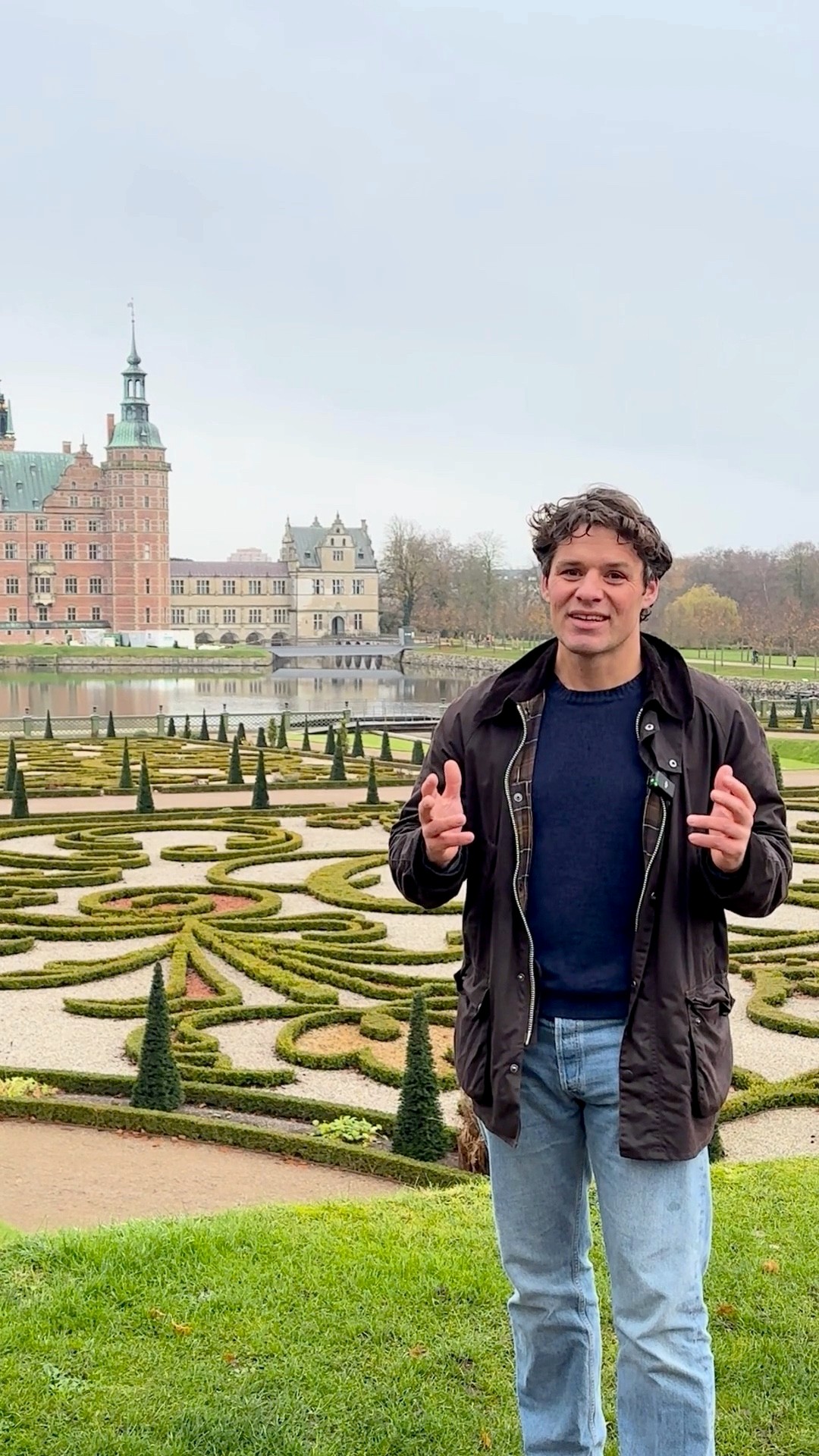
Ben Dark

Garden Historian Career Profile

Gardener and author Ben Dark tells us about his career as a head gardener and historian

From history to horticulture

I came to garden history as head gardener, though I came to gardening as a historian, so this career was fated!

After studying history at Bristol I retrained in horticulture. With new certificates I spent a year at the Garden Museum as their Horticultural Trainee then went to work for an oligarch. Next up was Chiswick House, a garden with serious priors, and under its influence I resolved to formally study garden history.

However, my wife is a diplomat which makes straight-line planning hard. We were posted to Bogotá for three years. On our return I told every potential job I would only work four days a week so that I might study. A private garden took me as Head Gardener and gave me Thursdays off, and I spent them in the University of London’s School of Advanced Studies, taking a Master’s in Garden and Landscape History.
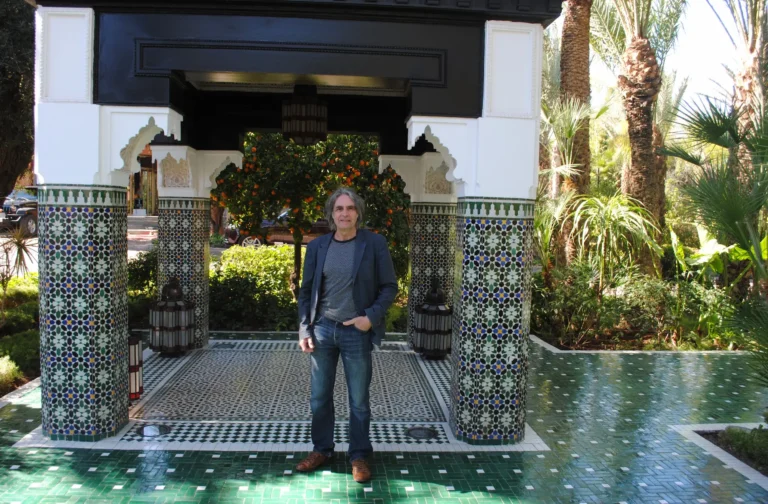
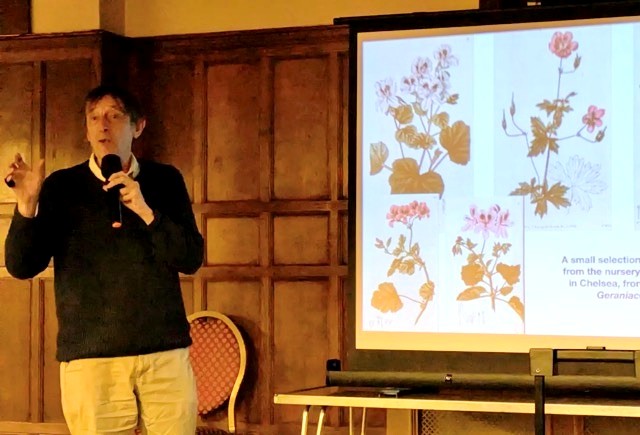
A published author

While writing my dissertation I got a publishing deal, so my examination of The Municipal Parks of Colonel J.J. Sexby and the manuscript of The Grove: A Nature Odessey in 19 ½ Front Gardens were delivered as twins.

The book is heavily influenced by my studies and is as much about history as plants. I had wanted to call it The Grove: A History of Everything in 19 ½ Front Gardens but my publishers declined.

Since publication I have worked more as a writer and historian than as a gardener. I have given talks for the wonderful Gardens Trust, both online and in person, and written many features for the horticultural press, all of which have a historical angle. The heritage and history approach won me the Garden Media Guild’s Journalist of the Year award and has given me increasing confidence that what the British and International public crave is garden history, even if they don’t know it yet.

My latest project has been a history of plants. I’m telling the whole ‘moss to orchid story’ in Green Kingdom: A Family History of Plants which will be published in the Autumn of 2026.

A message to aspiring garden historians

To those who want to join us in the field of Garden History I would say ‘come on in!

It’s a massive field in need of filling!’ If, like me, you are selling to the popular market (as opposed to the academic) then focus on the people in garden history as much as the gardens, and don’t forget that you can make yourself and your impressions part of the story.

Places

Eleonora Tonon takes us on a tour of Cecil Pinsent’s famous 20th Century gardens in Tuscany, from their inspiration to their creation.

People

Cecil Pinsent trained in London before settling in Florence, where he created symmetrical, geometrically ordered Tuscan gardens for the vibrant local Anglo-American expatriate community.

Styles / Topics

English gardens have been deeply intertwined with Italian design since Roman antiquity, evolving through Tudor symmetry, classical 18th-century revivalism, and Victorian geometric formalism.