Search

A Potted History of Public Parks

Parks historian, author and champion Dr Paul Rabbitts tells the story of this vital public amenity

One of the greatest ‘inventions’ of the 19th century was the public park. Today, we all use them – and love them – but what do we actually know about them?

The birth of 'breathing places'

J.C. Loudon, writing in The Gardener’s Magazine in 1829, campaigned for public parks as ‘Breathing Places’ for towns and cities. London was the only city with parks – the Royal Parks – but these were mostly inaccessible, available only to royalty and those with special privileges.

Along with the earlier pleasure gardens, such as Vauxhall Gardens in London, these parks were the earliest of prototypes for our great British parks. In the middle of the 18th century, the population was six million, with only one in five living in a town of any size. By 1851 the population was 18 million, with a 50:50 split between town and country. And by 1911 nearly 40 million (80%) were living in towns and cities.

Moral concerns for the masses started in 1833, with the report of the Select Committee on Public Walks highlighting the benefit public parks could bring, and that ‘the provision of parks would lead to a better use of Sundays and the replacement of the debasing pleasures’.
Joseph Paxton

It was, however, Joseph Paxton, head gardener at Chatsworth who had the greatest impact on British parks.

Paxton was commissioned by the Birkenhead Improvement Commissioners – the town being the first to apply to Parliament for powers to use public funds to create a municipal park.

Birkenhead Park was opened on 5 April 1847. Those that also worked for Paxton became great designers in their own right – Edward Kemp, Edward Milner and John Gibson. Many followed and included the municipal park superintendents who gave us many of our most important parks during the early part of the twentieth century – J.J. Sexby (London), William Pettigrew (Manchester and Cardiff) and Captain Sandys-Winsch (Norwich).

What makes a great park?

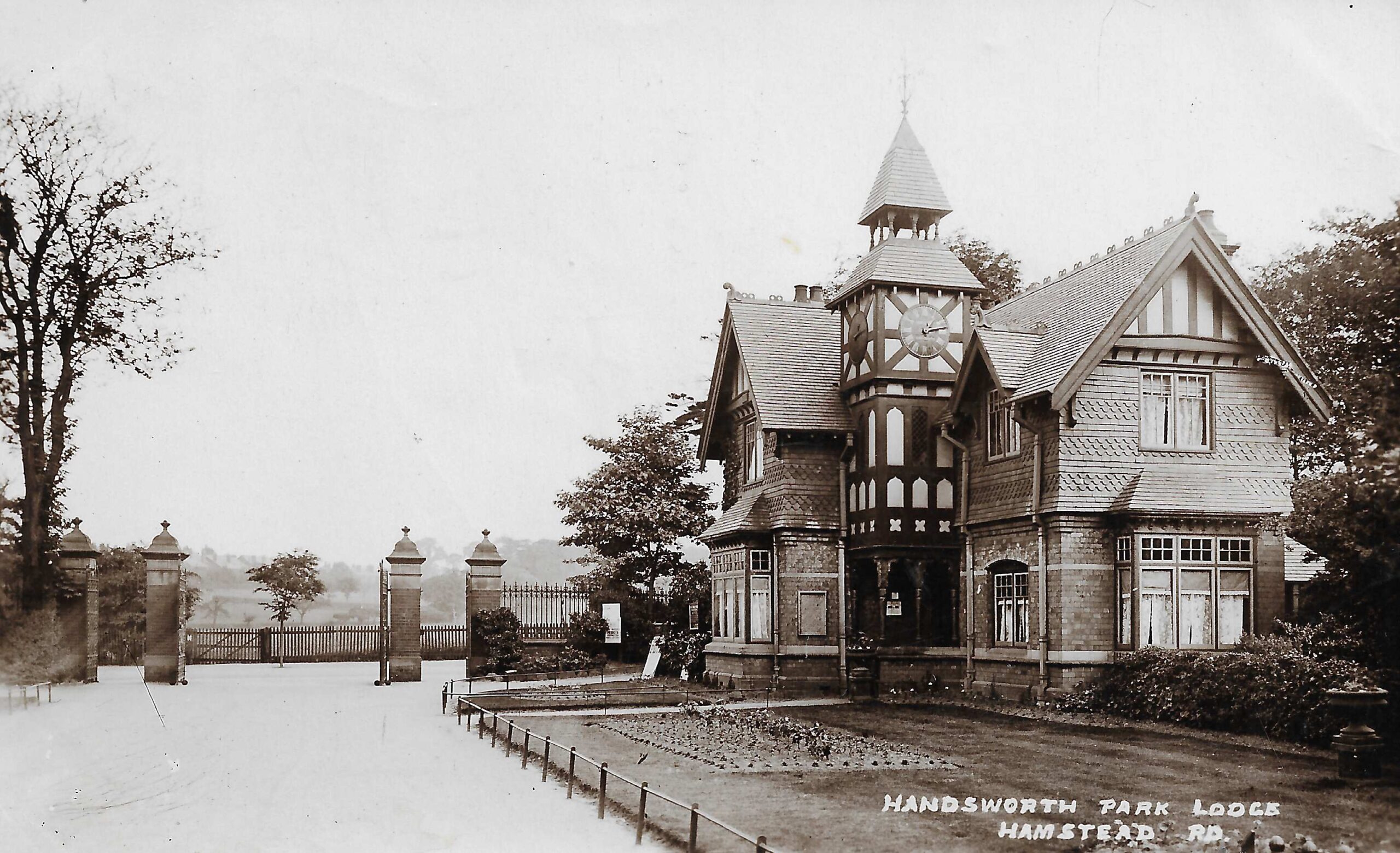
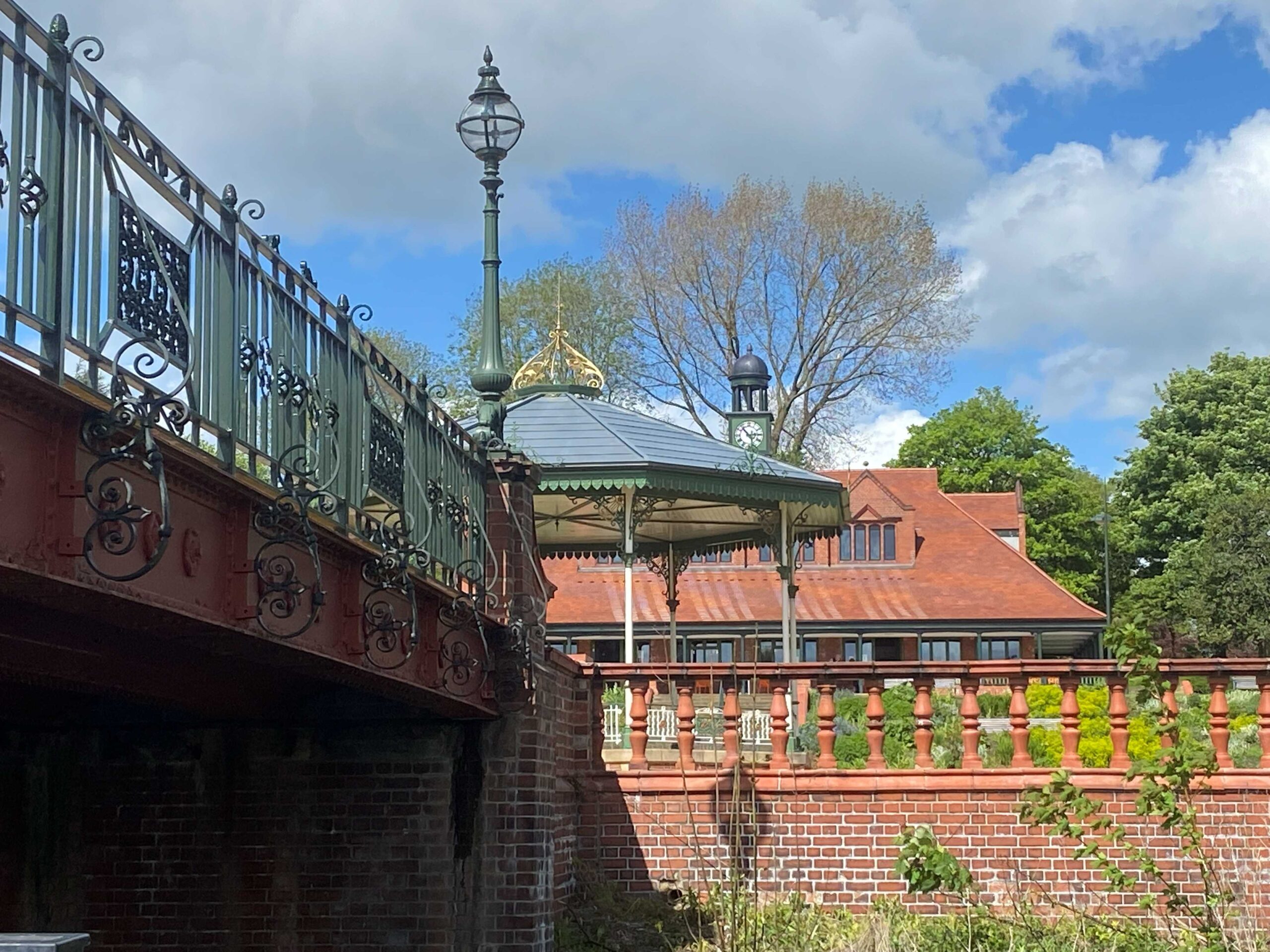
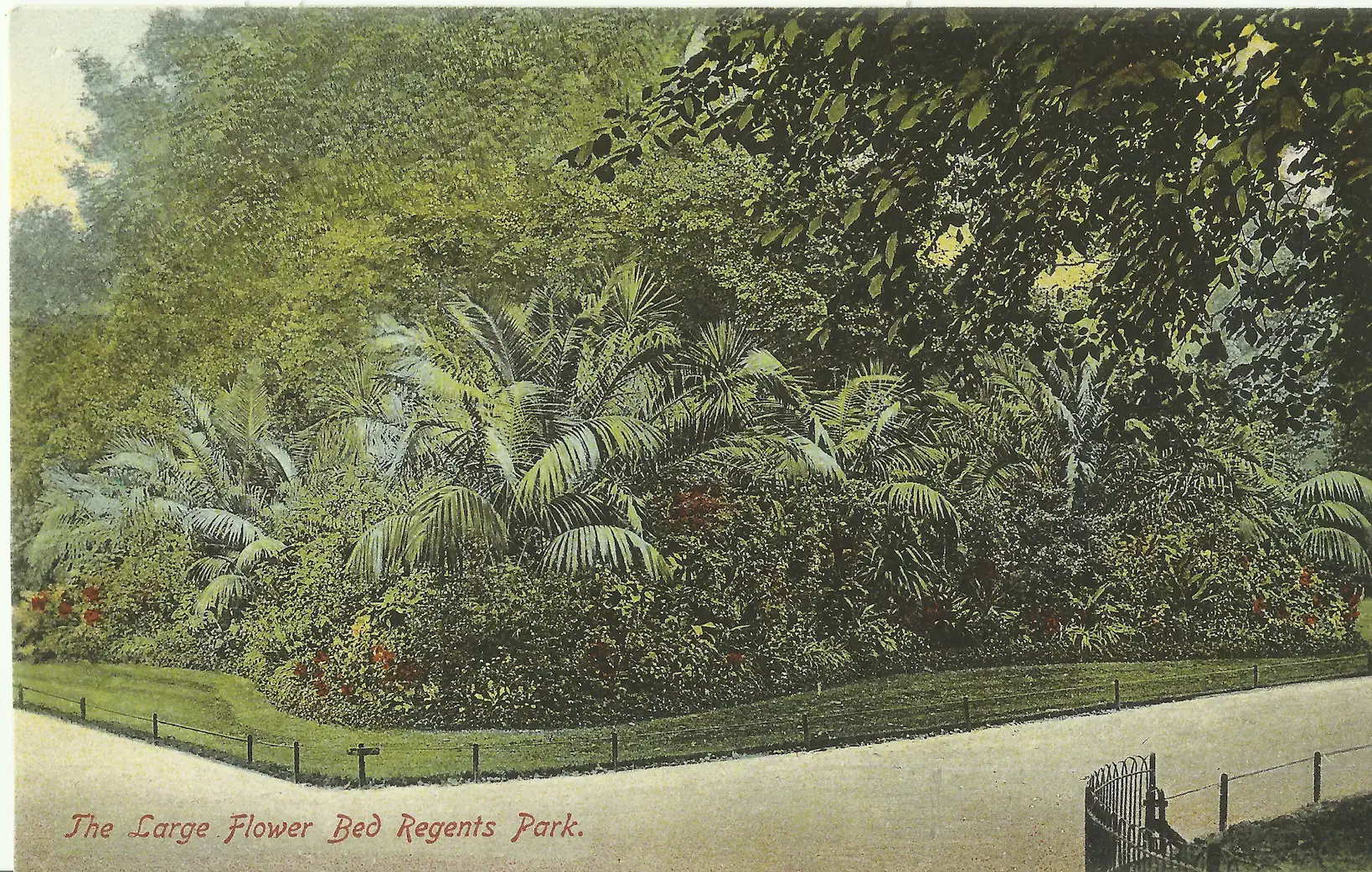
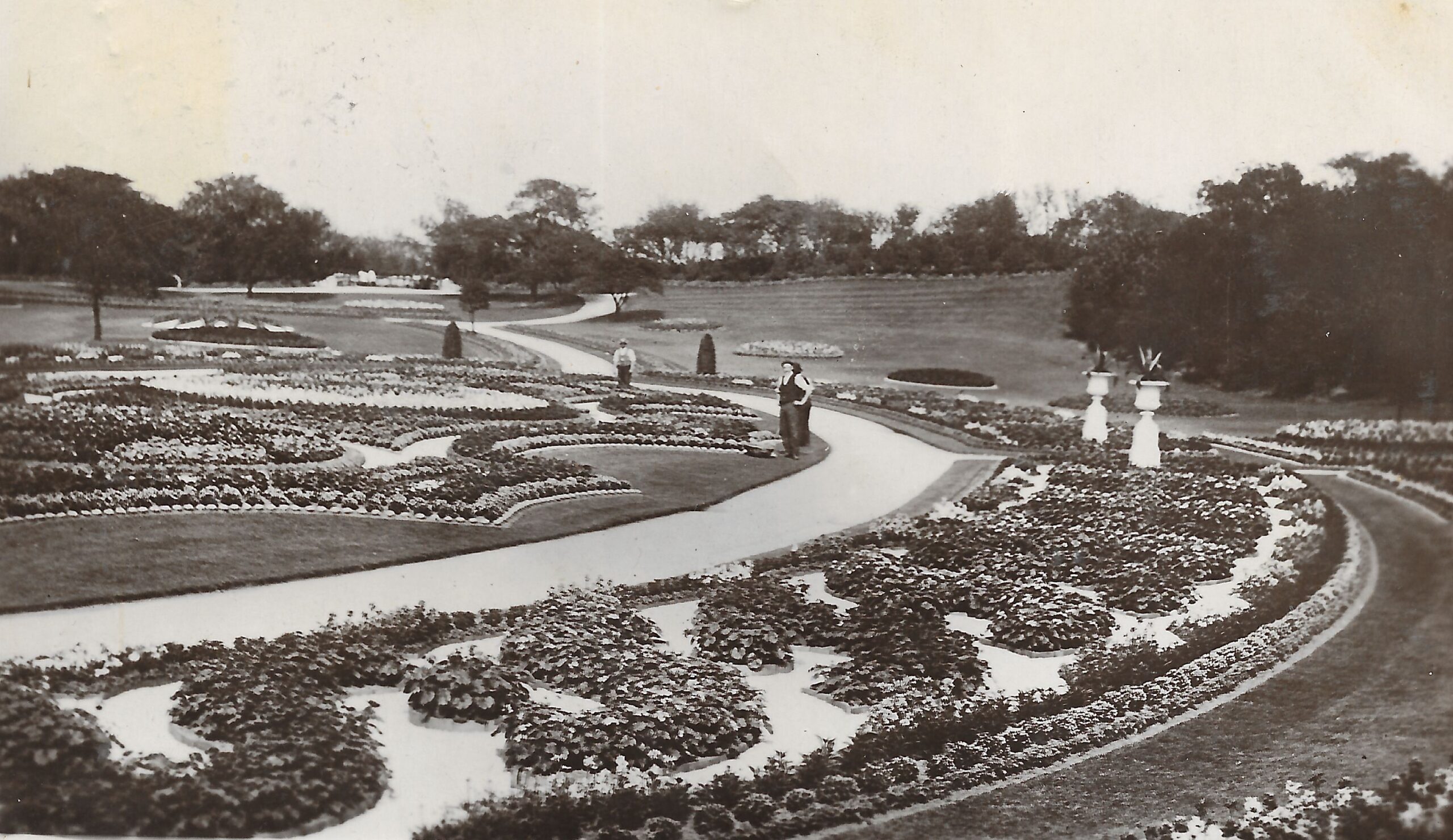
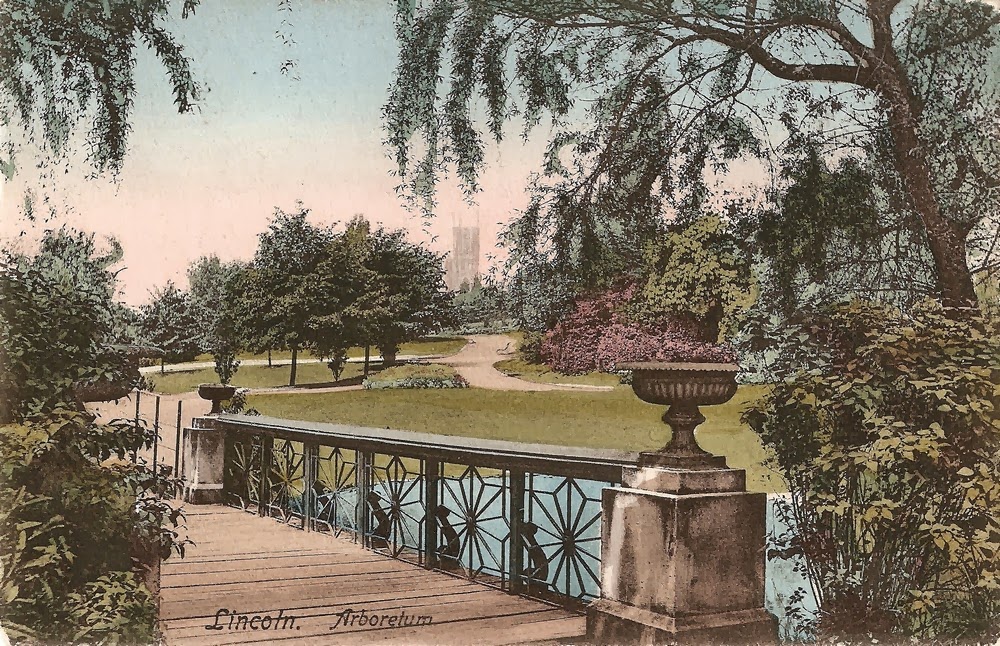
I define it as ‘parkitecture’. This includes statues, drinking and ornamental fountains, ornate gates, shelters, benches, cafés, aviaries, park lodges, palm houses, toilets, lidos, paddling pools, play areas and sports facilities.

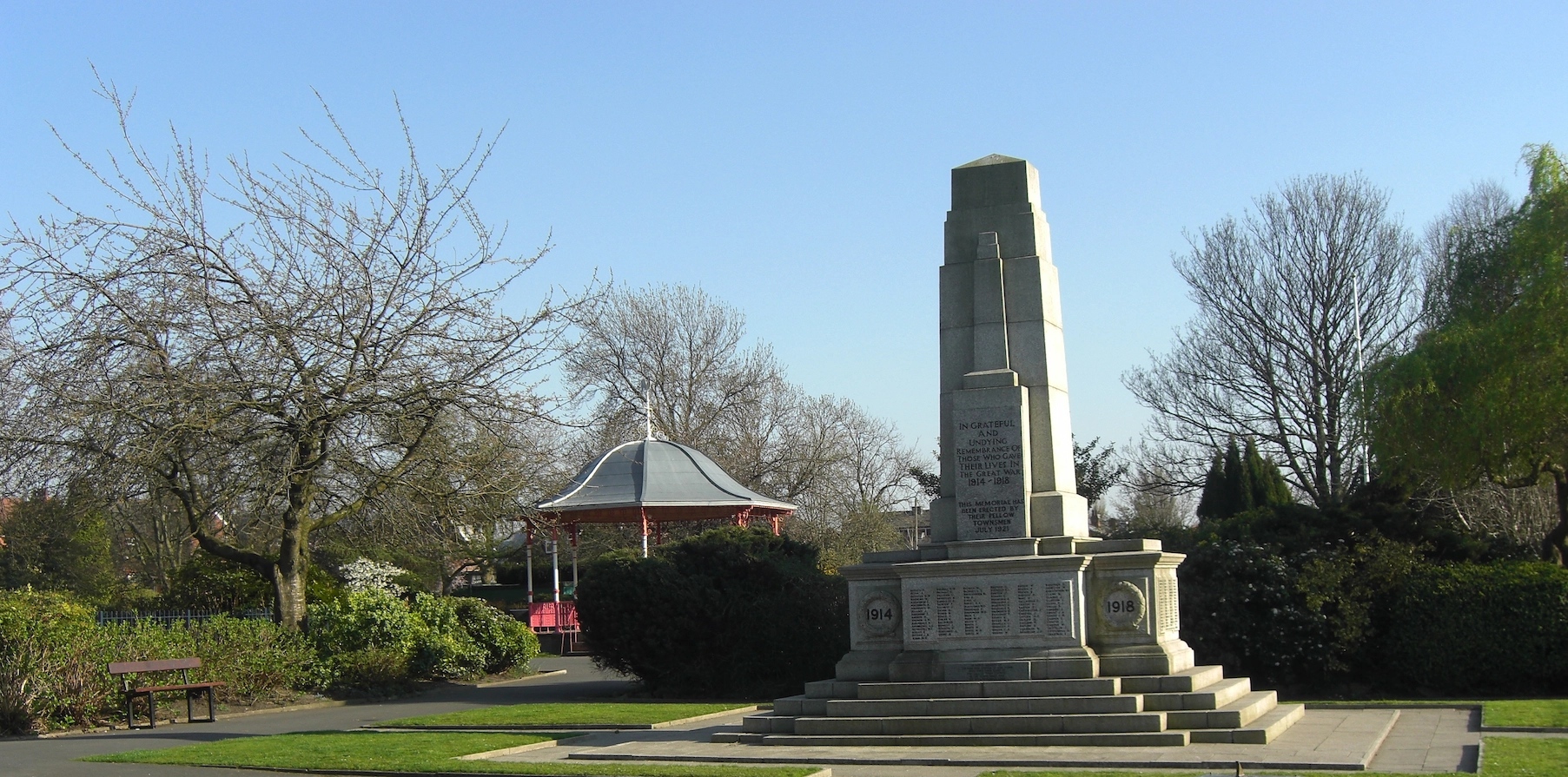
Then there are clocks and war memorials and the most iconic element of all – the bandstand – no park was complete without one. Bandstands were to dominate parks from the 1880s to the beginning of World War II.

Post-World War II, the decline of public parks began with the loss of park railings in particular. However, by the 1970s and early 1980s, the rot had truly set in, with antisocial behaviour being seen. Lidos closed, bandstands were removed, palm houses demolished, flower beds disappeared and parks departments were disbanded.

However, thanks to successive studies and reports, surveys, analysis and continued lobbying, including by the Gardens Trust and Historic England, many parks have been rescued from virtual obscurity, funded primarily by the National Lottery.

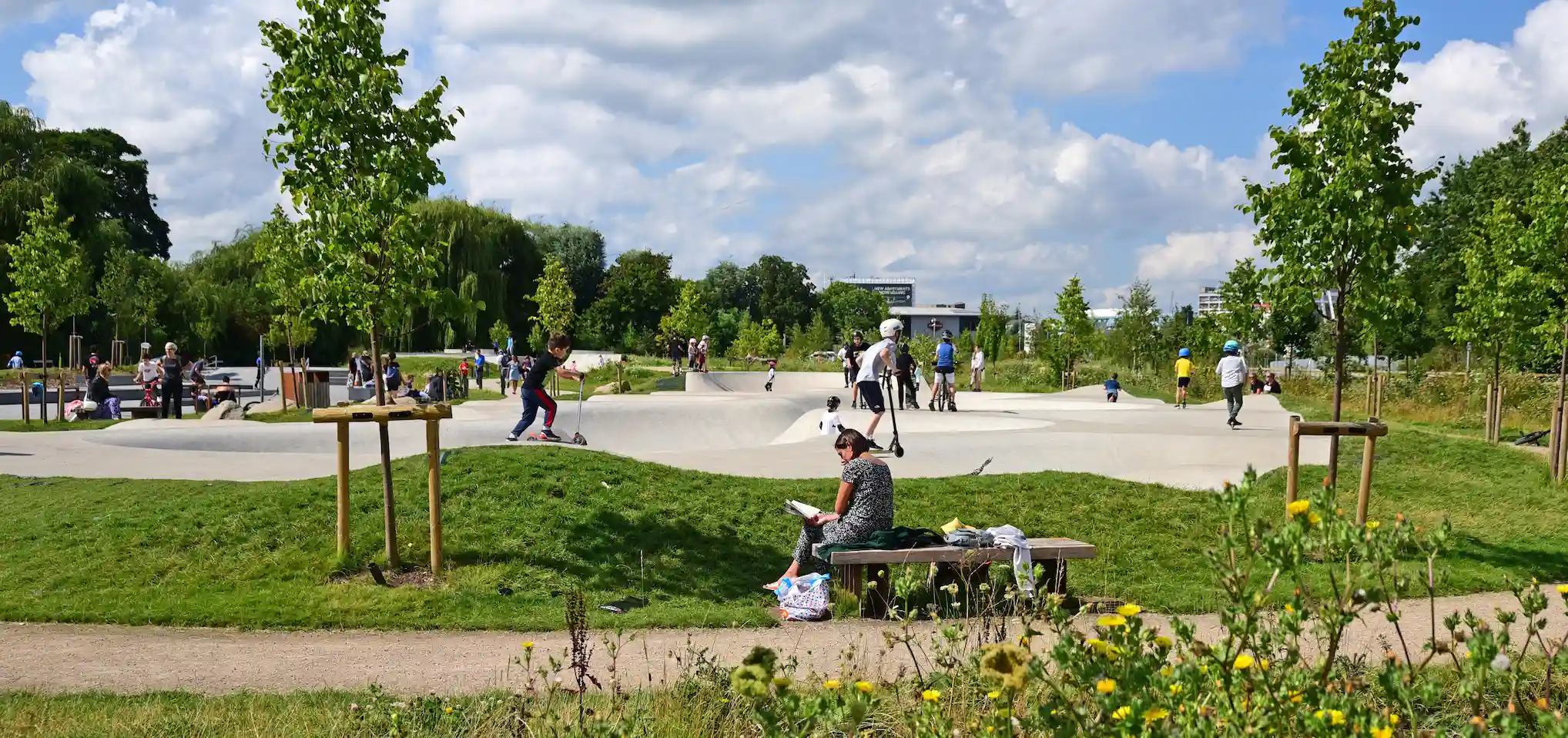
In 2015, 186 years after JC Loudon’s pleas, The Times reported that ‘it’s mad to let Britain’s glorious heritage of urban parks disappear’. Today, in a post-Covid 19 world, parks are being enjoyed by millions of people and are once again loved by our many communities and in many instances, are managed and maintained by an army of volunteers. Without them, many would once again face virtual obscurity.

A Potted History of Public Parks

Garden Historians

Parks manager, historian, author and public speaker Dr Paul Rabbitts tells us how he began his career in parks management.

Topics

From the Ancient Greeks via 17th century Dutch firefighters to modern day gardeners the history of the hosepipe is far from straightforward.

Periods

When we picture the gardens of the Roman period, our minds often leap to grand courtyards and marble statues, yet the reality was far more varied and influential than such images suggest.