Search

Watering

Watering cans – a life-changing invention?

We easily forget how life-changing some gardening inventions can be. One of those is undoubtedly the watering can. So who invented the watering can? And when?

Who invented the watering can?

It’s true that the answer to the first part of the question is, of course, as so often, “nobody knows”. The second part is slightly easier; if we’re talking about the “modern” metal watering can then it was probably sometime in the early 16th century although it could well have been earlier.

So how did our ancestors water their gardens before then? Presumably by moving the water from rivers, ponds, wells or water tanks in whatever was to hand, much as they did with other liquids: goatskins, leather buckets, hollow gourds and of course earthenware containers of various kinds.

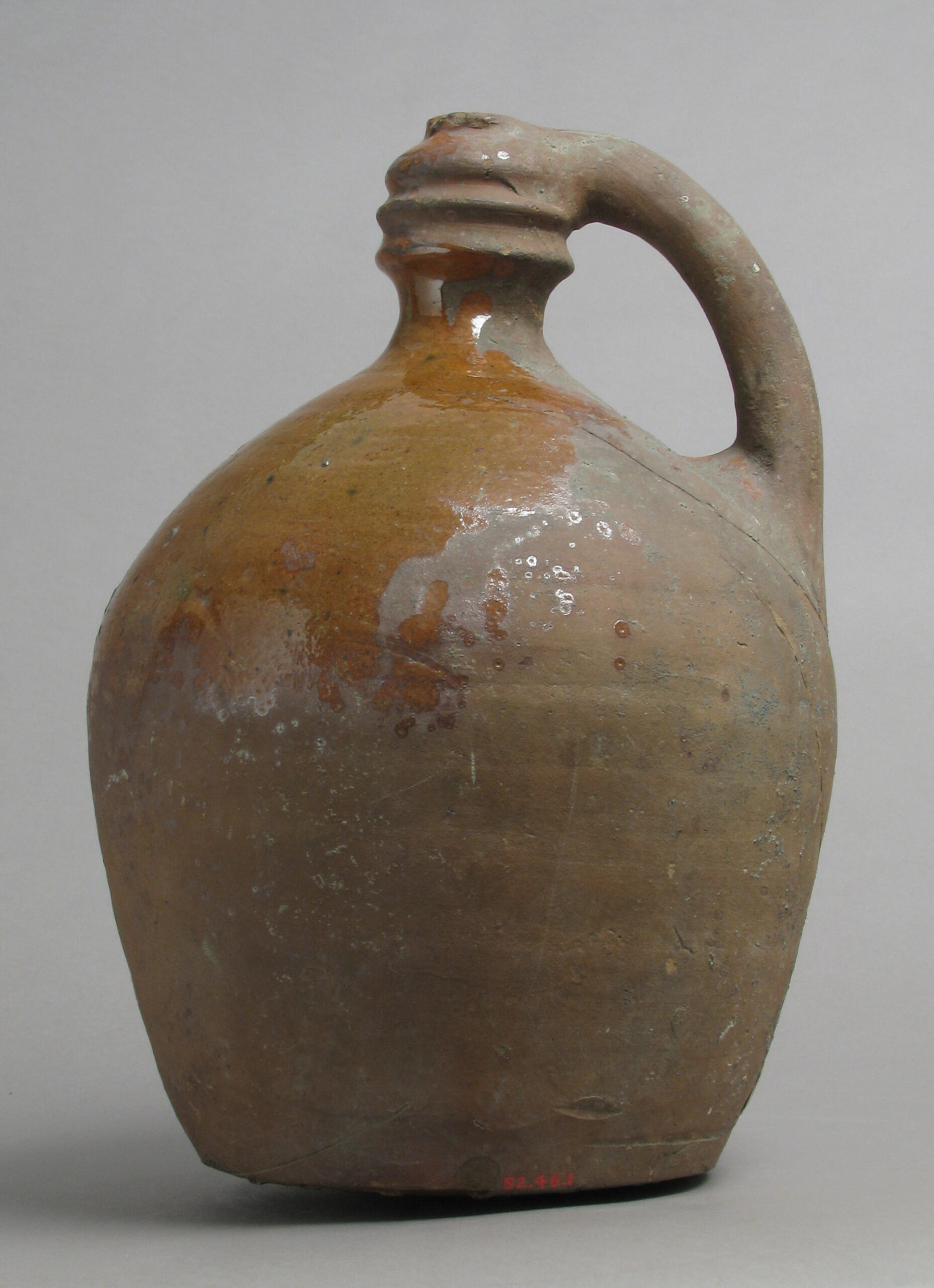
Earthenware Watering Pots

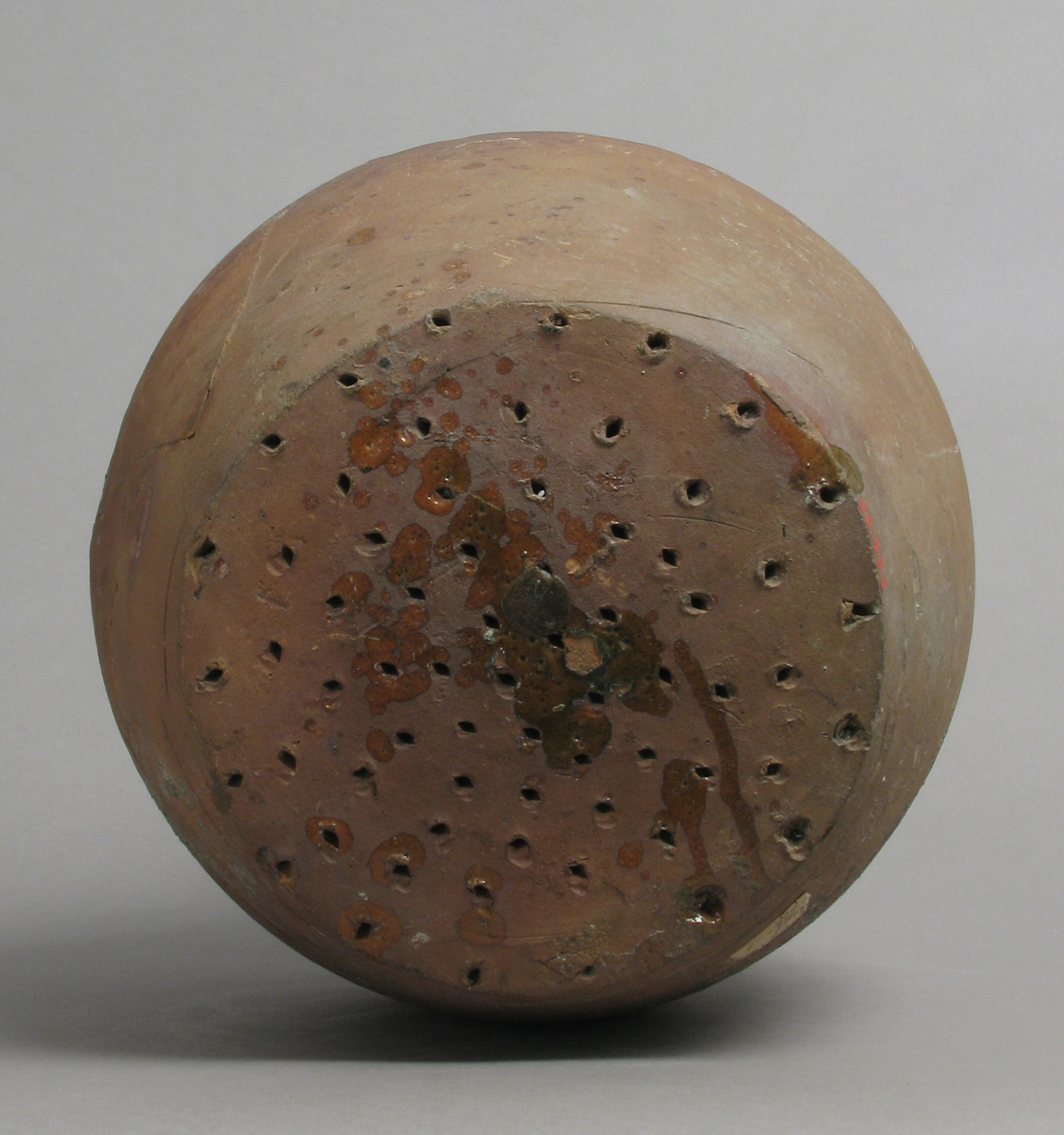
The first pots made specially for watering were thumb pots, or chantepleures, one of those basic bits of technology that have something of an air of magic about them because they appear to defy the basic laws of physics.

Bell or jug shaped, they have just a narrow opening at the top, while the bases are perforated with lots of holes. The pot is filled by immersing it in water and then, as it is pulled out of the water, the thumb is placed over the top opening. Amazingly, contrary to most people’s expectations, the water inside does not then pour out through the holes in the bottom. This is because there is enough internal pressure to keep the water in place. It’s only when the pot is over the plant to be watered that the thumb is lifted and the water drops out.

A second type of watering pot was a fully closed container with a simple spout, rather like a jug or ewer for other liquids. To make sure it didn’t flood the plants it was supposed to water, the spout was not wide open but had small perforations. These pots bear an obvious resemblance to what we would think of as the modern watering can, although they are smaller, with very short spouts, and being made of earthenware much heavier especially when full.

A Move to Metal

By the mid-16th century, metal, or more precisely copper, watering pots were in use.

These were more modern-looking with a handle arching from the back to the top, a rounded body, a narrow neck and a pipe full of little holes to sprinkle water on to plants.

The term “watering can” was probably first used in the late 17th century, but despite that all these devices, whatever their shape or design, are generally still being called “watering pots” right through until well into the Victorian age.

Victorian Innovation

Like the name, the design also remained largely unchanged until in 1886 John Haws patented a new design which had two handles, one on top for “carrying” and another on the back to help “tipping”, and also a much longer spout starting much lower down the body of the can which meant that it was easier to use up all the water without too much tipping.

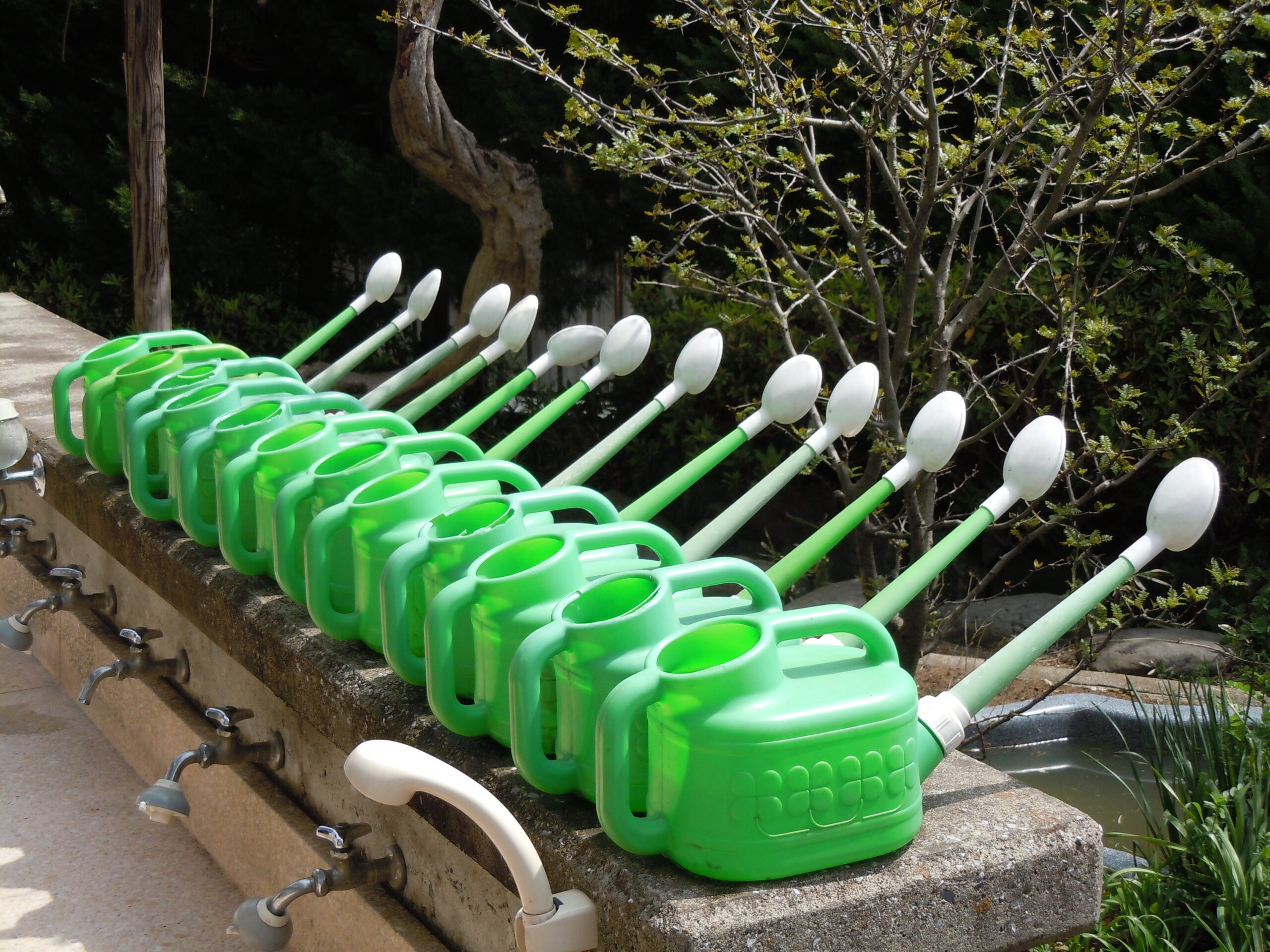
These days most of us probably use lighter weight plastic cans which come in a seemingly endless range of colours and designs.

Read the original article by Dr. David Marsh here: https://thegardenhistory.blog/2022/07/16/watering/

The last in our online course A History of Gardens 3, on Tues@10 am. Sponsored by Wooden Books.

... (more)

We have just published another new on-line issue of our journal Garden History. Dr Barbara Simms, our Journal Editor introduces... (more)

Does it give you a buzz of excitement when others share your enjoyment of historic parks and gardens? If so,... (more)