Search

What is the Register of Parks and Gardens?

Recording the story of England's garden history over the last 400 years.

Our heritage of gardens, parks, and other designed ornamental and recreational landscapes are captured in the Register of Parks and Gardens of Special Historic Interest in England.

What does the Register include?

The Register of Parks and Gardens of Special Historic Interest covers gardens, parks and other designed landscapes in England. There are similar lists for Wales, Scotland and Northern Ireland. Each list tells the story of our nation's garden history over the last 400 years stretching from the 1600s to the late 20th century. Earlier garden and park features surviving as earthworks are scheduled as monuments.

The Register takes a broad approach to historic designed landscapes. The title ‘parks and gardens’ is used as shorthand.

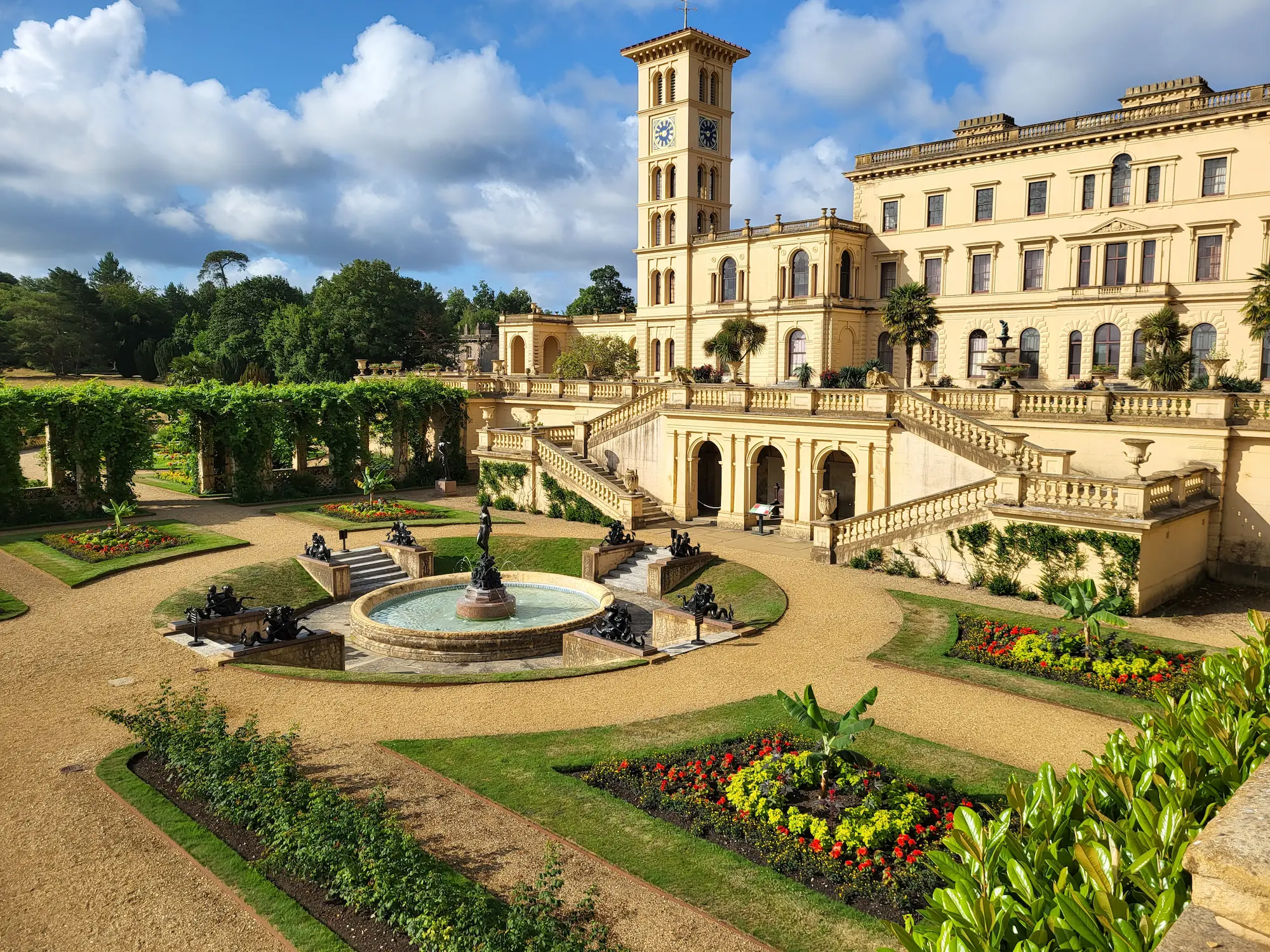
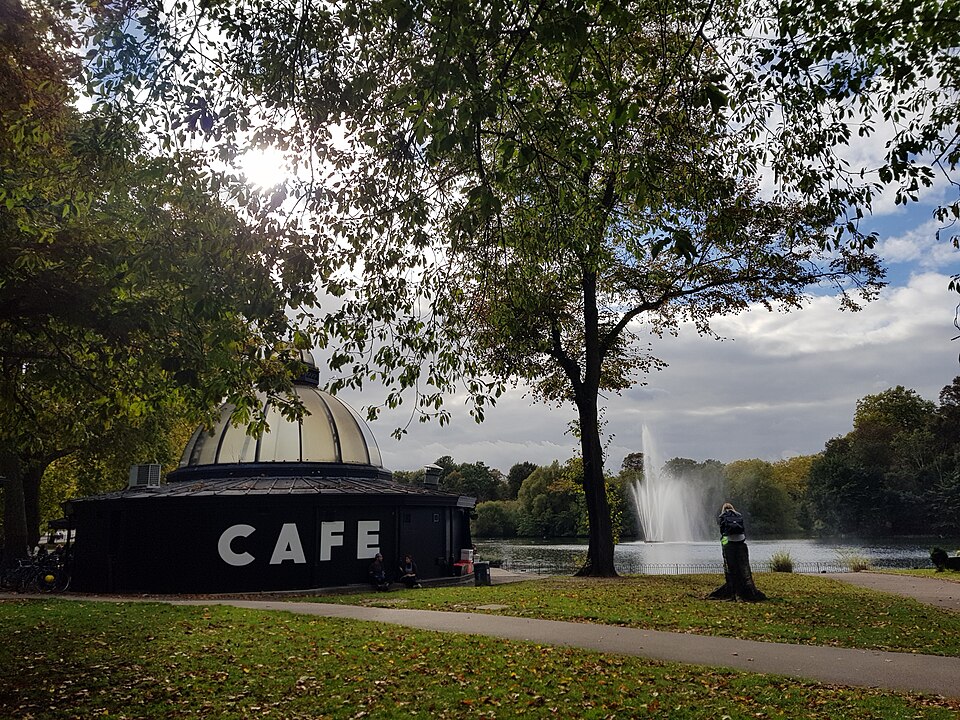
In the Register, you’ll find examples of sites associated with domestic use of all types such as palaces, country houses, manor houses, villas, town gardens, terraced houses, and cottages, and designed landscapes for groups of homes such as communal gardens and squares, and private amenities like resorts and rented town gardens. There are also institutional designed landscapes and asylums, botanical gardens, cemeteries, colleges, factories, hospitals, hotels, museums, pumping stations, and reservoirs are in scope for registration. Another important group in the Register are the sites designed or used for public amenity and recreation such as public parks, public gardens, public walks, and public resorts.  Ownership of this rich variety of sites ranges from private homeowners to charities and trusts, institutions, businesses and local authorities.

How sites are selected for registration?

The National Heritage Act 1983 empowered the setting up of a register of ‘gardens and other land’  of special historic interest. Of course, most sites on the Register will also be of interest for many other reasons like wildlife and local green space.

To be included on the Register, sites must:

  • be an example of a particular period of design or a particular style, or the work of a particular designer
  • illustrate some significant aspect of the history of gardening, ornamental landscaping or horticulture
  • illustrate some significant aspect of the history of the development of a particular type of site
  • have significant historic associations, for example with a person or an event which can be directly linked to the history of that landscape
  • have a group value with buildings of historic interest, for example a garden laid out as the setting to an historic building of architectural quality, or a vital element in a major piece of town planning.

Historic England publishes detailed advice on the selection criteria for the Register.

Registration considerations

Condition, integrity and state of repair are important considerations in the registration assessment.

Details such as flower border planting schemes can be very important in shaping the character and experience of a garden design. However, as these schemes may need to change over time, the Register concentrates on the landscape architecture and structural planting of the designs.

What you’ll find in a register entry

Each register entry now includes reasons for designation, a summary of the historical development, its location and setting, the principal divisions of the layout plus key references and a map of the registered area.

The standard principal divisions described are: entrances and approaches, the main building, ornamental gardens and pleasure grounds, park, kitchen garden and production areas, and other land beyond the registered boundary.

Grades

Each registered site is graded and there are three grades: Grade I (of exceptional interest), Grade II* (of more than special interest) and Grade II (of special interest).

Where can I find the Register and can I visit a registered park or garden?

The lists can be accessed online, along with other designations such as listed buildings, and the lists are managed by their respective government body: Historic England, Cadw, Historic Environment Scotland and the Northern Ireland Department for the environment.

You can access Historic England’s list and find out more information on the Register of Parks and Gardens, please see  https://historicengland.org.uk/listing/what-is-designation/registered-parks-and-gardens/

Who can apply to register a garden?

The lists continue to be developed, and more sites are added each year.  In England, anyone can recommend a designed landscape for inclusion on the Register through an online application process so long as Historic England’s selection criteria are met.

Can I visit a registered park and garden?

Many registered parks and gardens are open to visitors however registration does not assure there is public access.

What is the Register of Parks and Gardens?

Topics

Gardens Trust Trustee Chris Blandford OBE takes us on a tour of those with historic designed landscapes in the UK and the benefit this status brings

Topics

The idea that gardens can support healing is not a modern innovation, but a recurring theme within the history of designed landscapes.

Topics

Designed to improve our health and community cohesion, playgrounds began as ‘gymnasia’ for all to use.