Search

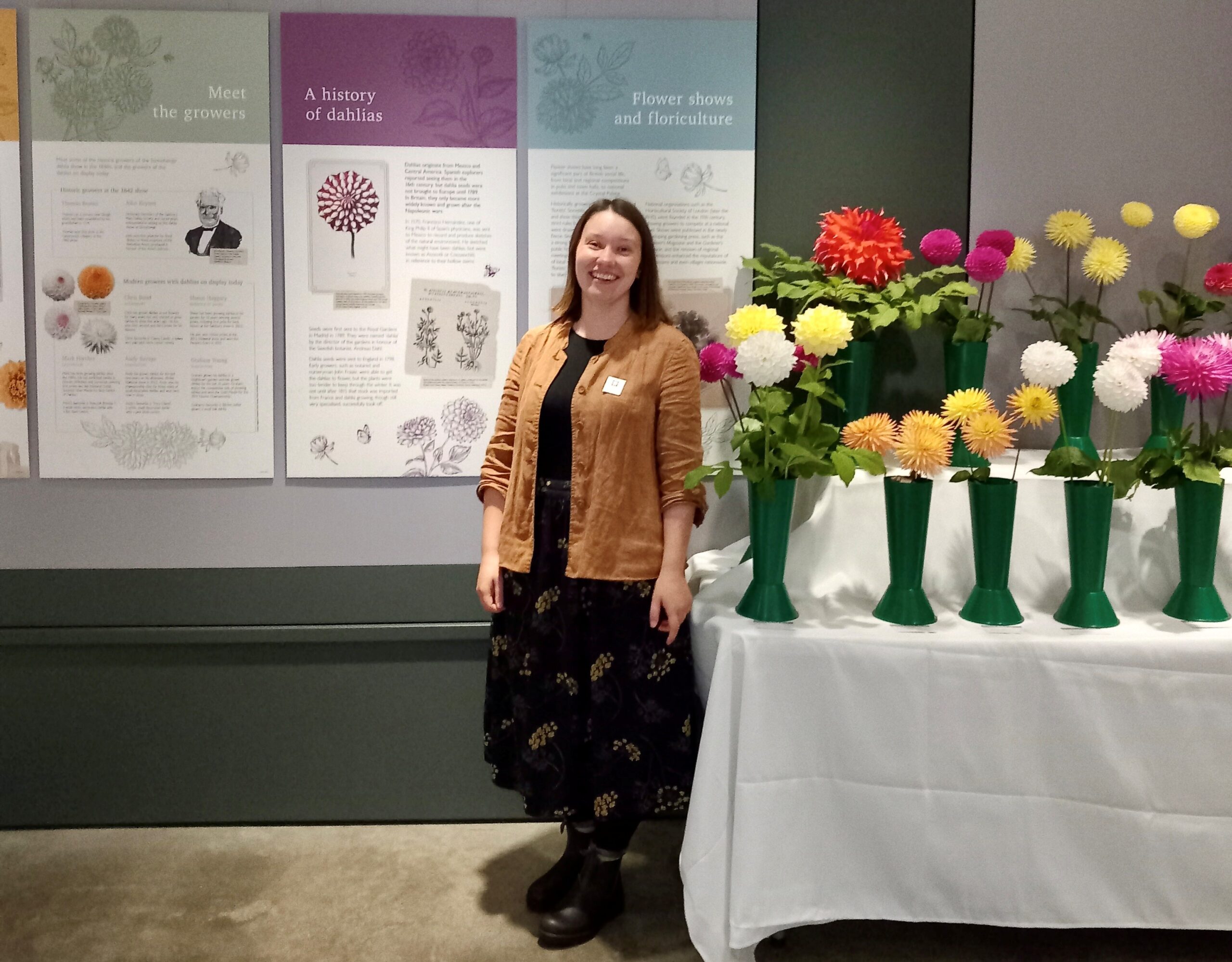
Dr Louise Crawley

Garden Historian Career Profile

Freelance Historic Landscapes Research Consultant Dr Louise Crawley tells us about her career journey

How did you get into garden history?

I grew up visiting historic gardens and landscapes with my family, so I must have absorbed some styles of historic gardens and planting from an early age, encouraged by my mum, a fantastic gardener who loves plants. I grew up in West Sussex, relatively close to Petworth Park, and I remember being intrigued by the way the parkland is hidden behind high walls, carving out a miniature piece of ‘perfect’ English landscape.

I’ve always been interested in history, and at university I discovered ‘landscape history’, which allowed me to pursue all sorts of histories and not feel limited by what I could research. I loved that I could study something which explained the world around me, as well as provide a lens for understanding the history of design, ideas, social history, economic history and more.

Tell us about your qualifications(s) – what and where did you study?

After my undergraduate degree in History from the University of East Anglia, I studied their master’s degree in Landscape History which was offered at the time. I wrote my dissertation on the history and significance of the Norwich Nursery, demonstrating the importance and ingenuity of the provincial nursery trade in the creation and fashions of landscape design in the eighteenth and nineteenth centuries.

During my MA, I decided to apply for a PhD. I received funding from UEA to study eighteenth-century perceptions of landscape evidenced in language. I developed an approach of decoding descriptive language use to show a codified language of landscape through which members of ‘polite society’ could communicate and explored how understanding language use in the past might aid our care for historic landscapes in the present.


How have you made use of the qualification?

My MA dissertation drew considerable interest and gave me the opportunity to speak about my research and develop skills in lecturing, teaching and presenting. Both my MA and my PhD have helped me to hone my archival research skills and my writing, and working with and editing a lengthy document like a thesis has allowed me to confidently work with and produce similar length documents in my work. I became aware of the Gardens Trust during my postgraduate courses too and have met so many contacts and supporters through their work.

Outside of my PhD, I worked with my supervisor on consultancy contracts, gaining invaluable on-site experience of conducting historic landscape assessments and producing restoration proposals. This experience directly contributed to the roles I have since undertaken, including as Landscape Advisor/Historian (now Curator of Gardens and Landscape History) for English Heritage. It also showed me it was possible to work as a freelance consultant, taking on a variety of projects, all with research and landscape and garden history at their heart.

What’s your top tip for someone who wants to work in the garden history field?

Keep visiting historic gardens!

Having background knowledge and a good bank of examples is key to understanding other sites. Share your research and start conversations as you never know where these might lead in the future.

Dr Louise Crawley

The last in our online course A History of Gardens 3, on Tues@10 am. Sponsored by Wooden Books.

... (more)

We have just published another new on-line issue of our journal Garden History. Dr Barbara Simms, our Journal Editor introduces... (more)

Does it give you a buzz of excitement when others share your enjoyment of historic parks and gardens? If so,... (more)