Search

British Football Grounds of the 1960s and 70s

A personal analysis of utility greens by Landscape Design Consultant John Harris

John takes us on a journey through football pitches of the 60s and 70s from both a spectator and a player's perspective

The Great Game

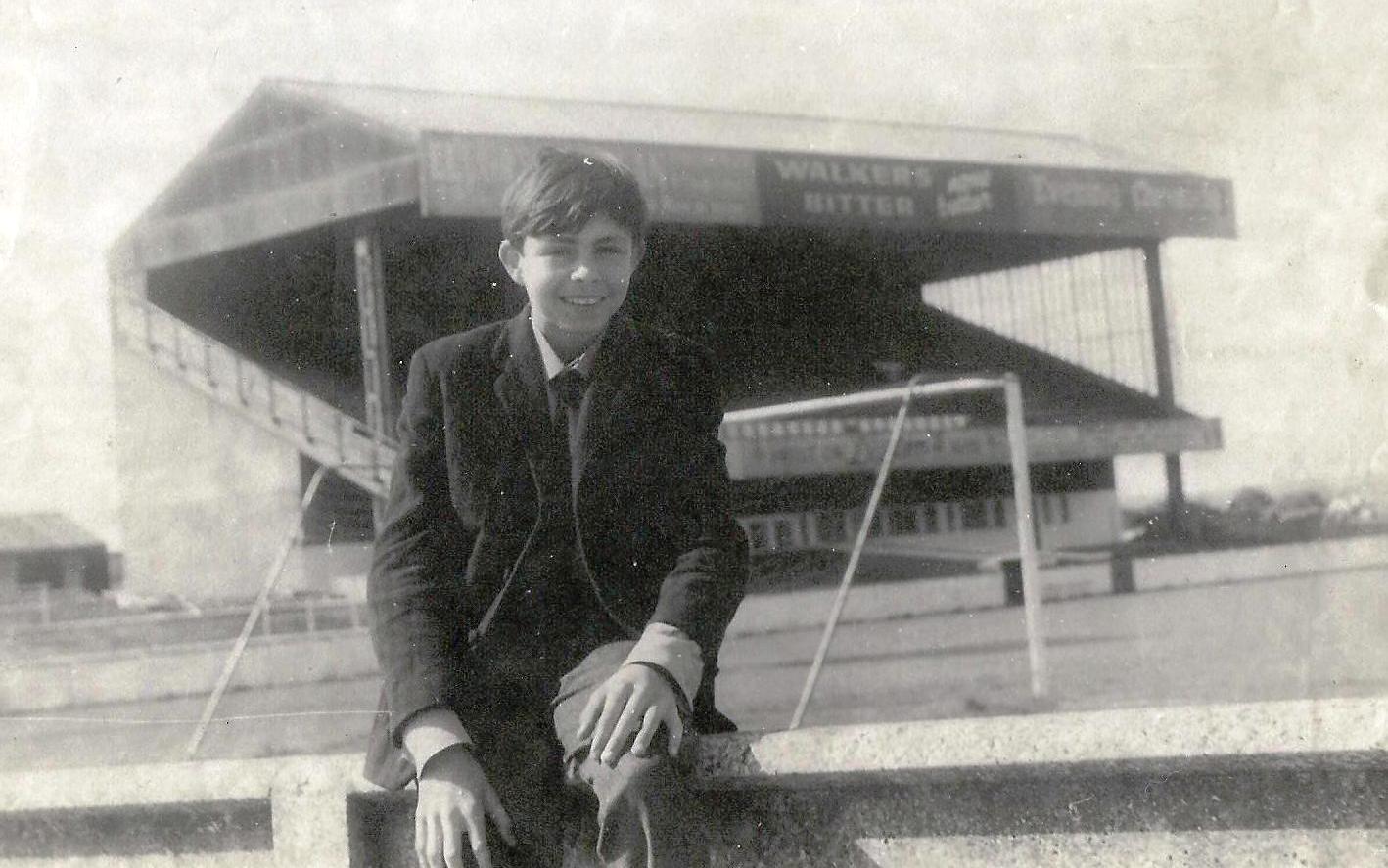
I watched my first football match in 1965; Horwich RMI v Wigan Athletic – a cup game which Wigan won and my induction into the great game.

The match was played at Horwich’s Grundy Hill ground; one end of the ground conspicuously sloped from corner to corner. Wigan had a decent flat pitch with a shale track perimeter, previously used for pony and trap racing; a well designed utility landscape.

Grounds had improved over the decades but during winter the surfaces resembled threadbare carpets. British league clubs employed green-keepers to maintain their grounds; Council owned pitches were maintained by garden maintenance staff (qualified or labourers). Having played schoolboy, youth and adult amateur football I never experienced a reasonably good surface. But regardless of what tier, the pitches were challenging. During heavy rain ground staff used forks in an attempt to disperse surface water, particularly in compacted goal areas. This primitive technique was also used within parks and gardens on important lawns.


A surface for all seasons

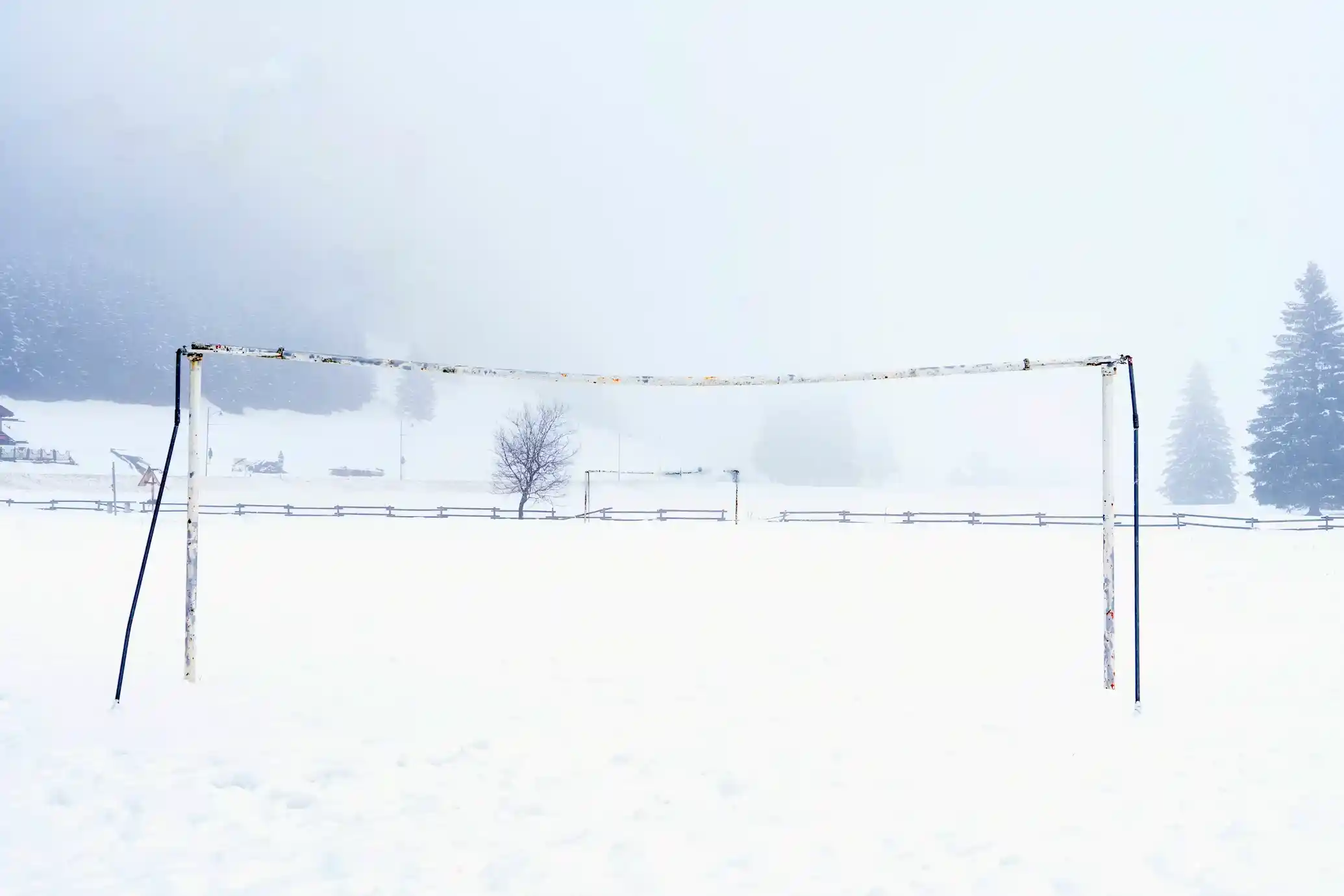
Snow and frost were major issues as underground heating was a rare facility and clubs asked for volunteers to remove snow from their pitch before a match.

If severe frost was predicted then straw was spread over the entire playing surface as insulation and then raked off to the side lines the morning before the match, again with the help of volunteers. By the end of the season there was barely any grass on the surface. The centre circle, wings and goal areas were the first to suffer (areas of most activity); the goal areas became ‘mud baths’! In first-tier football goal-mouths were sometimes turfed mid-season; but the turf would regularly lift by sliding tackles, etc. Pitch invasions added to surface destruction, plus ripping up turf and stealing corner-flags for souvenirs. Even Wembley (one of the best historic utility landscapes) had much of its ‘sacred’ turf destroyed after a famous pitch invasion in 1977!

Apart from lime, creosote was also used as a more permanent marker on Council fields; this could cause skin burns, permanent scarring and damage to eyes.

Challenging conditions

I moved into the adult world of amateur football when I turned 16 in October 1969 signing for Newtown Celtic, a team in a NW amateur league.

We played at a ground in Pemberton (rented from the Coal Board); the former ground of the Pony Dick Colliery… nicely set in a green landscaped matrix of reclaimed land.

Our ground (like most other grounds) was barely playable in winter. As a fast winger I had much freedom on dry surfaces but severely restricted on muddy surfaces. Mosley Colliery’s ground (near Manchester) was possibly the best I played on with excellent natural drainage; most others were challenging. I have recollections of moving snow from line markings before a match, getting changed in a hen shed and becoming stuck in mud just as I was about to shoot at goal. Such was the playing experience back then.

Players and managers today even complain about the quality of their almost perfect greens… back in the 60s everyone accepted the conditions and were just happy to play!

British Football Grounds of the 1960s and 70s

Topics

The Society has produced an Annual Report since 1833 and these invaluable records are now available online

Topics

A park or garden is more than a single focal point like a fountain, their true charm lies in the full sensory experience of a place including distant views, soothing sounds, and crisp, fresh air.

Places / Topics

One of the city’s most enduring innovations has been quietly shaping lives for almost two centuries.