Search

Miss Dora Stafford

Plant hunter who travelled the world in search of exotic species

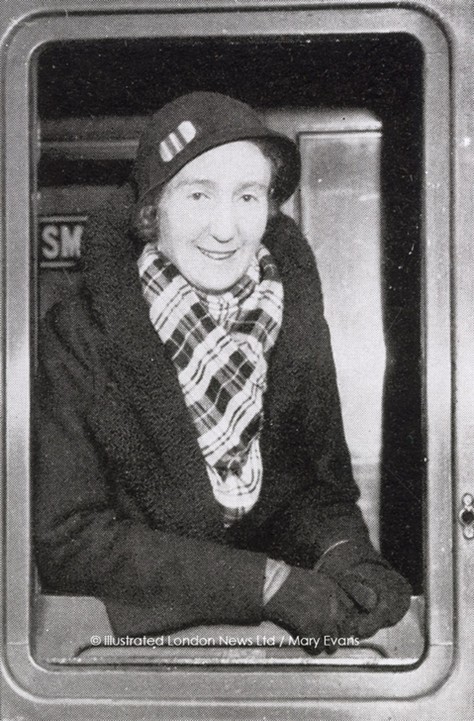
Miss Dora Stafford was admired in 1930s society gossip columns but scandalised newspaper editors with her ‘solo’ plant hunting exploits at the age of 40.

Searching for Miss Stafford

“Only the inaccessible places are left and that is why plant hunting is a profession for he-men and Miss Dora Stafford of Enfield. Miss Stafford is slim and blonde and charming. Meeting her in her home , as I did, one would think she was just a normal English girl, good at games plunged into the social whirl” Ian Coster, Sunday Dispatch 21 May 1933.

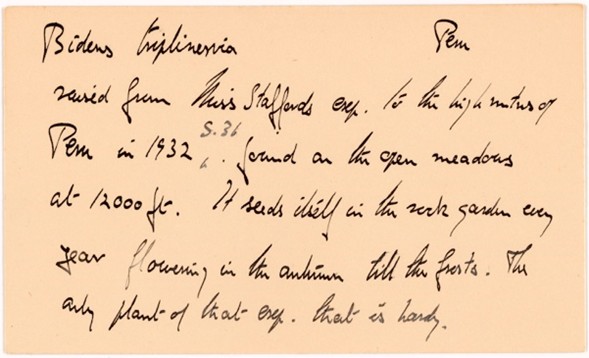
Miss Dora Stafford was admired in 1930s society gossip columns but scandalised newspaper editors with her ‘solo’ plant hunting exploits at the age of 40. Today, she is never mentioned in the official plant hunting histories. I found her name by accident on an index card scrawled by Major Stern from Highdown Gardens in Sussex. She then reappeared in my later research at RBG Kew Library and Archives in letters to Stern and Sir Arthur Hill then director of Kew. The correspondence tells the amazing story of Miss Stafford’s courage to organise a syndicate of very wealthy men to fund her 6 expeditions in southern Peru.

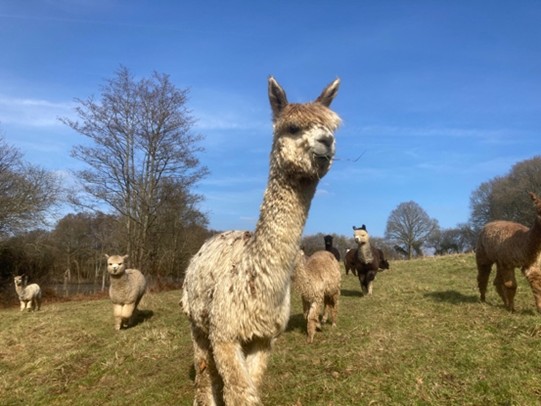
The next surprise was Dora’s love of climbing volcanic mountains from 9,000 to 19,000 feet  to find rare plants (Ben Nevis is only 4413 feet). A precedent was set by the mountaineering legend Annie Peck who climbed  the heights of South America pre-1914. The other advantage Miss Stafford had over her male European peers was local knowledge. Her family traded alpaca wool in the city of Arequipa to merchants in Bradford for 80 years. She described to Coster “The Peruvian farmers are my friends. They are cultured and hospitable. The Indian* guides are perfectly dependable.”

*This term was used to describe indigenous hill people of South America
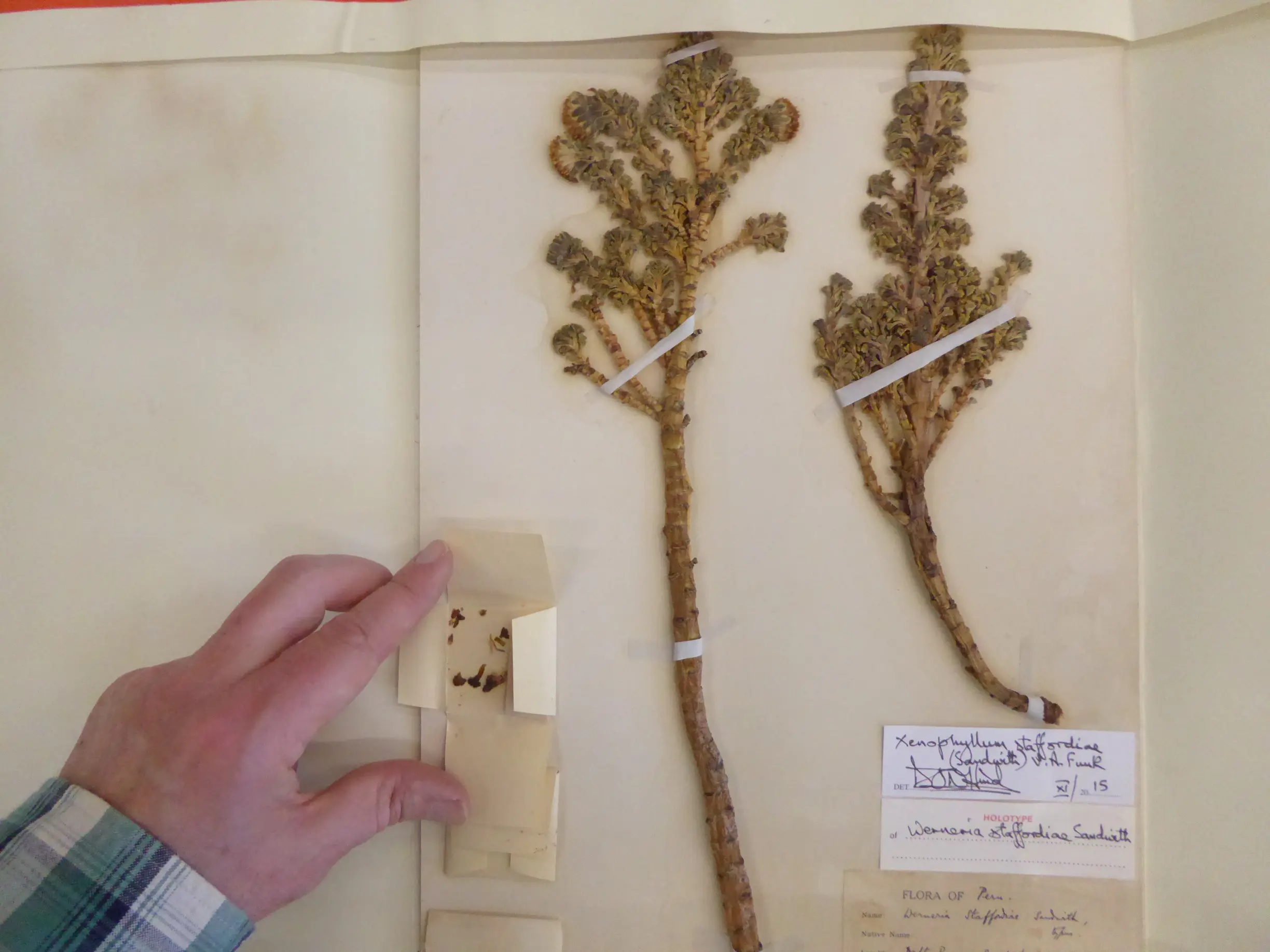
Xenophyllum staffordiae

I realised that although Miss Stafford collected many plants and seeds for her syndicates that none survived the British climate long term. What did survive are parts of her wow herbarium.

These are scattered at RBG Kew, RBG Edinburgh, RHS Wisley and at the Field Museum in Chicago. The big revelation was that Miss Stafford’s fame grew amongst the botanical community as she had plants named after her! I tracked the weird aster Xenophyllum staffordiae (Sandwith) at RBG Kew Herbarium.

Searching for Miss Stafford

During WW2 Miss Stafford possibly became a Wren (Women's Royal Naval Service) involved in intelligence data gathering during the London Blitz.

She was so concerned about the bombing that she moved her best pressed plants and photos to an elderly aunt’s shed near Exmouth. This area was also bombed in 1941 due to the naval bases nearby. In a letter to Sir Arthur Hill, she confessed her paranoid aunt ordered the gardener to burn any dry “rubbish” including Miss Stafford’s boxes of pressed flowers. The last letter from Miss Stafford to Kew was in 1947. Then she disappears. I discovered the death of an older woman with her name at a Kent care home in 1979. My research has not stopped. There are more clues towards mysterious paths in the search of Miss Stafford.

Miss Dora Stafford

The last in our online course A History of Gardens 3, on Tues@10 am. Sponsored by Wooden Books.

... (more)

We have just published another new on-line issue of our journal Garden History. Dr Barbara Simms, our Journal Editor introduces... (more)

Does it give you a buzz of excitement when others share your enjoyment of historic parks and gardens? If so,... (more)