Mounts
Tudor mounts developed from the mounds built in Medieval castle gardens to give a view over the castle walls to the land outside. In contrast, mounts were often sited in orchards and planted with fruit and other trees. Steps or a winding path edged with herbs or flowers led to the top and to a seat, an arbour or even, if you were Henry VIII at Hampton Court, a two-storey banqueting house.
Banqueting Houses
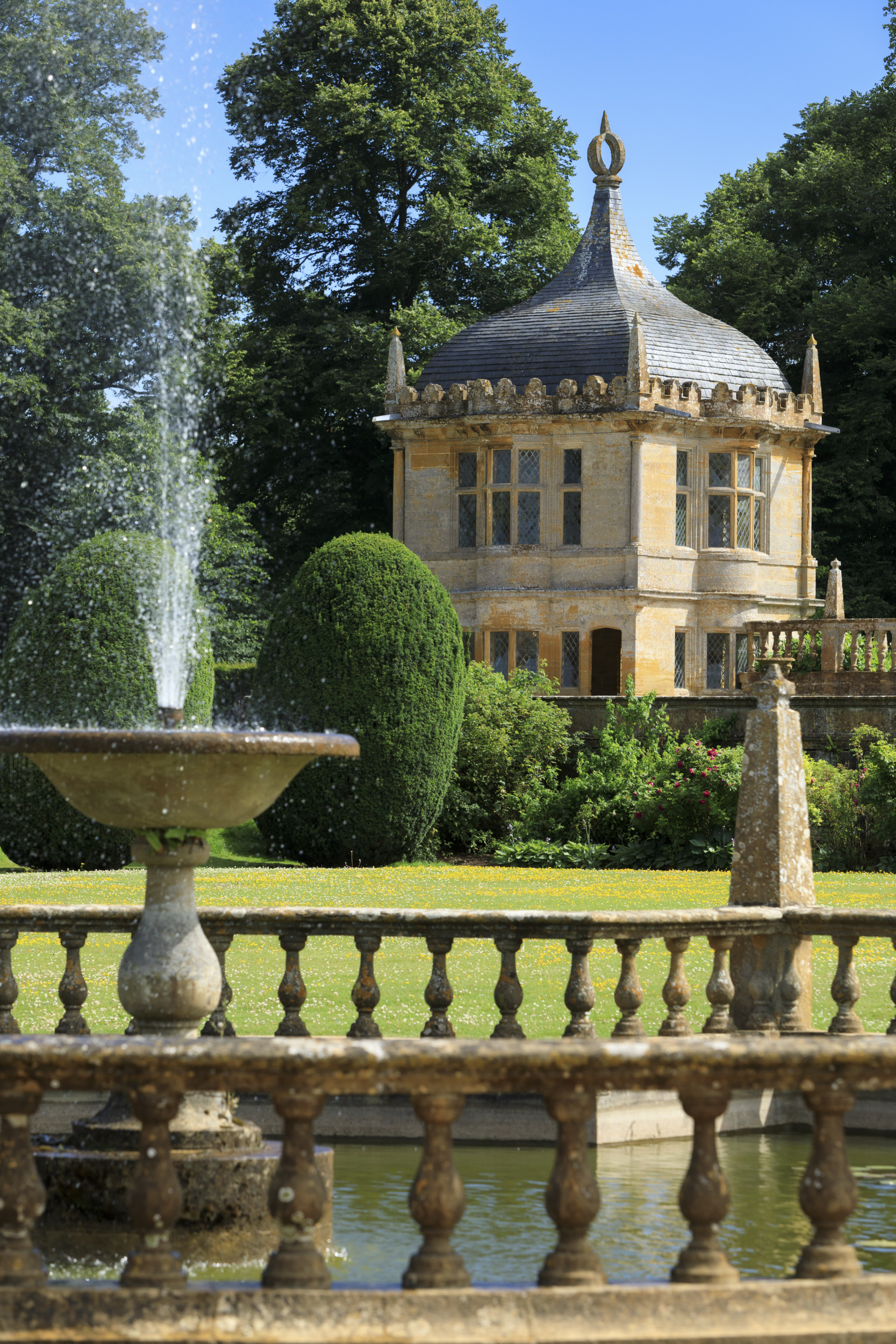
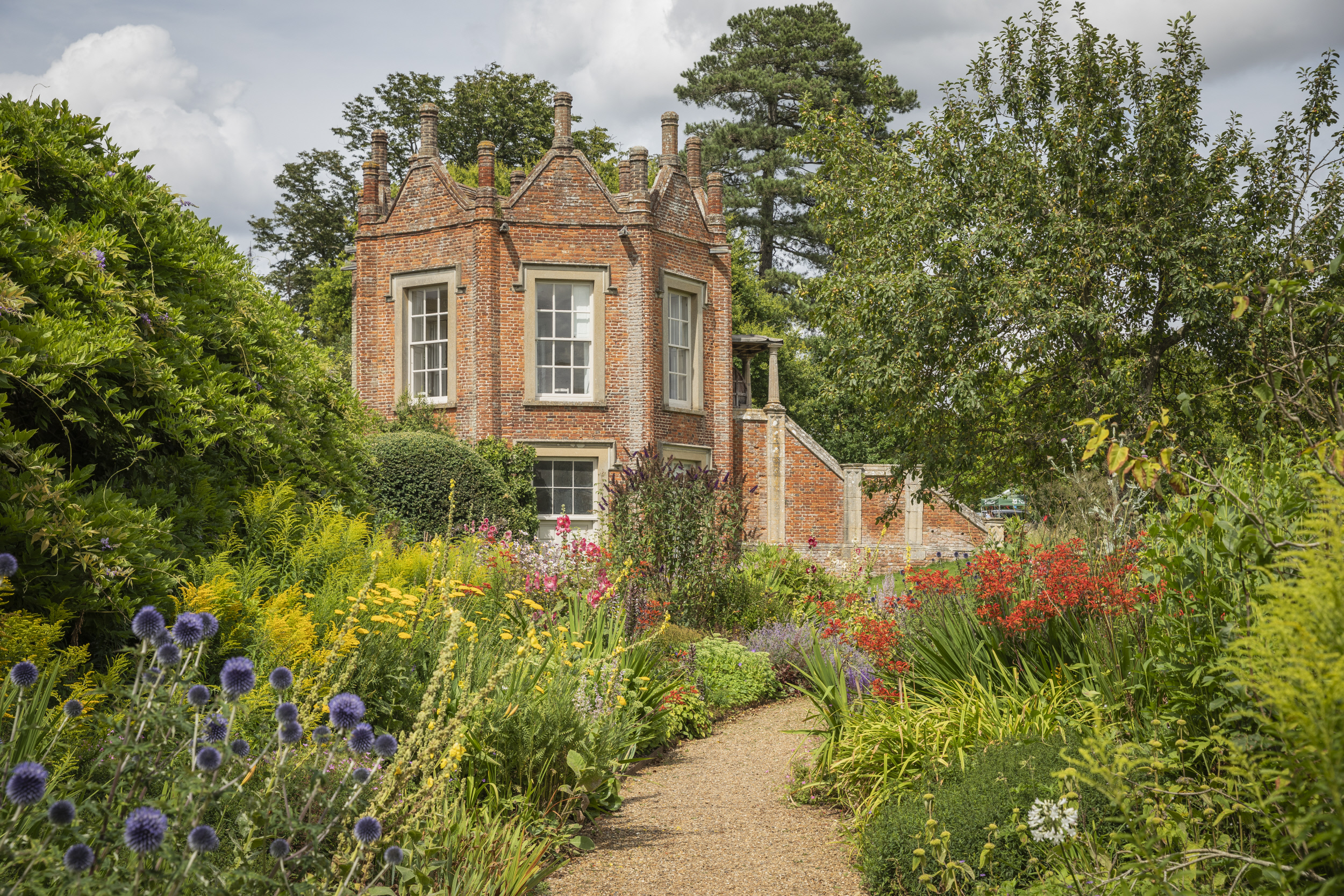
At the start of the Tudor period, a banquet was not a meal of several courses served to a large number of guests. Instead it was a small, final course of spiced wine and perhaps fruit, or later on sweet dishes, served elsewhere while the tables in the great hall were being cleared for after dinner entertainment. A small, select group of guests would retire to a special room, known as a banqueting house, often in a corner of a walled garden or even on a roof, to enjoy what later became known as dessert, in relative privacy.