Search

Tatton Park Japanese Garden

An Edwardian Gentleman’s Interpretation of a Japanese Garden

Inspired by the Anglo-Japanese Exhibition of 1910, Lord Egerton decided to install his own Japanese Garden at Tatton Park.

An Overview of the Garden and Tatton Park

Tatton Park is a large, well-known 2,000 acre estate in Cheshire, north of Knutsford. It includes a formal Italian garden near the house, glass houses, a walled kitchen garden, large yew topiaries, and a large pleasure garden with a stunning collection of rhododendron and numerous tree species.

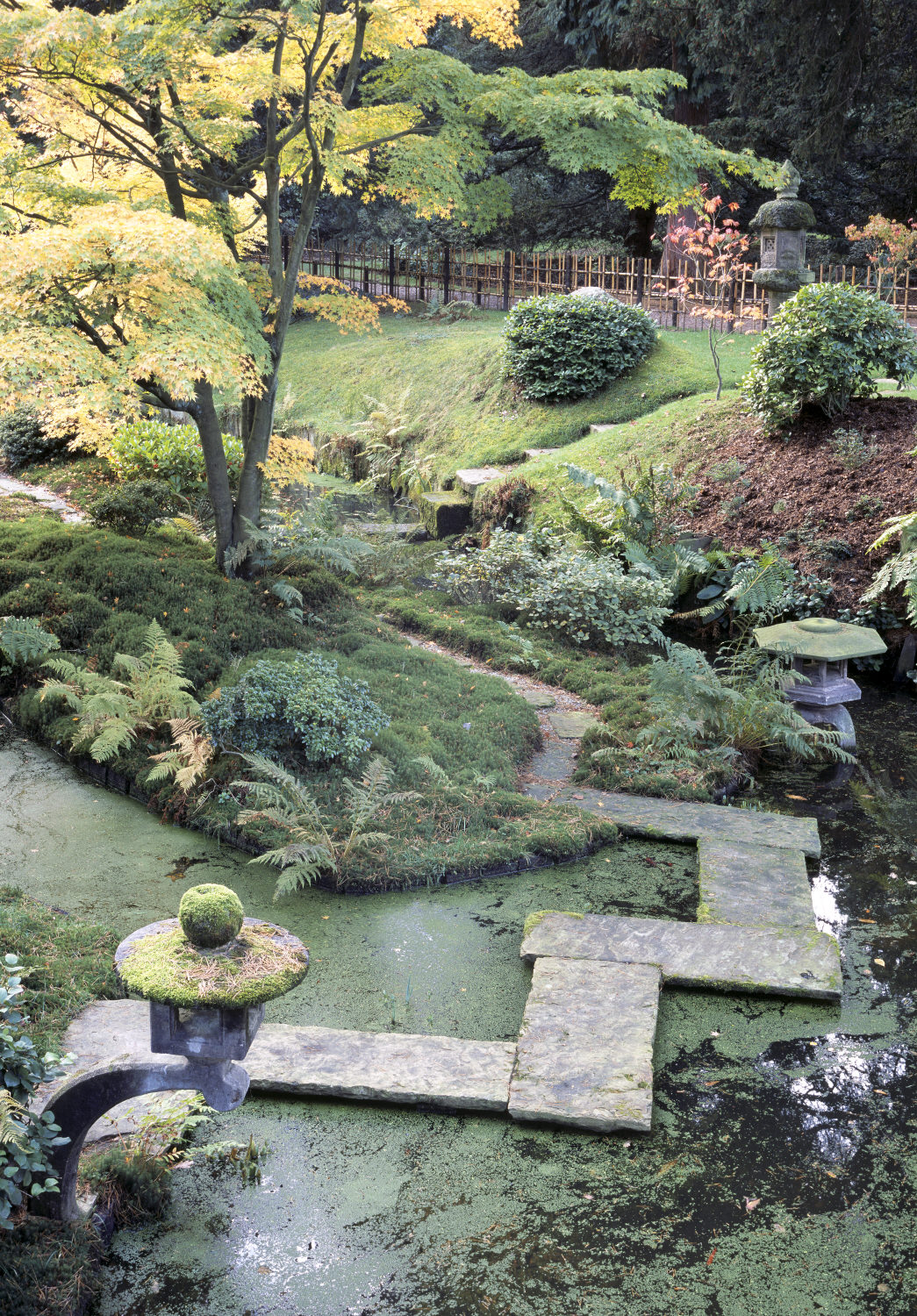
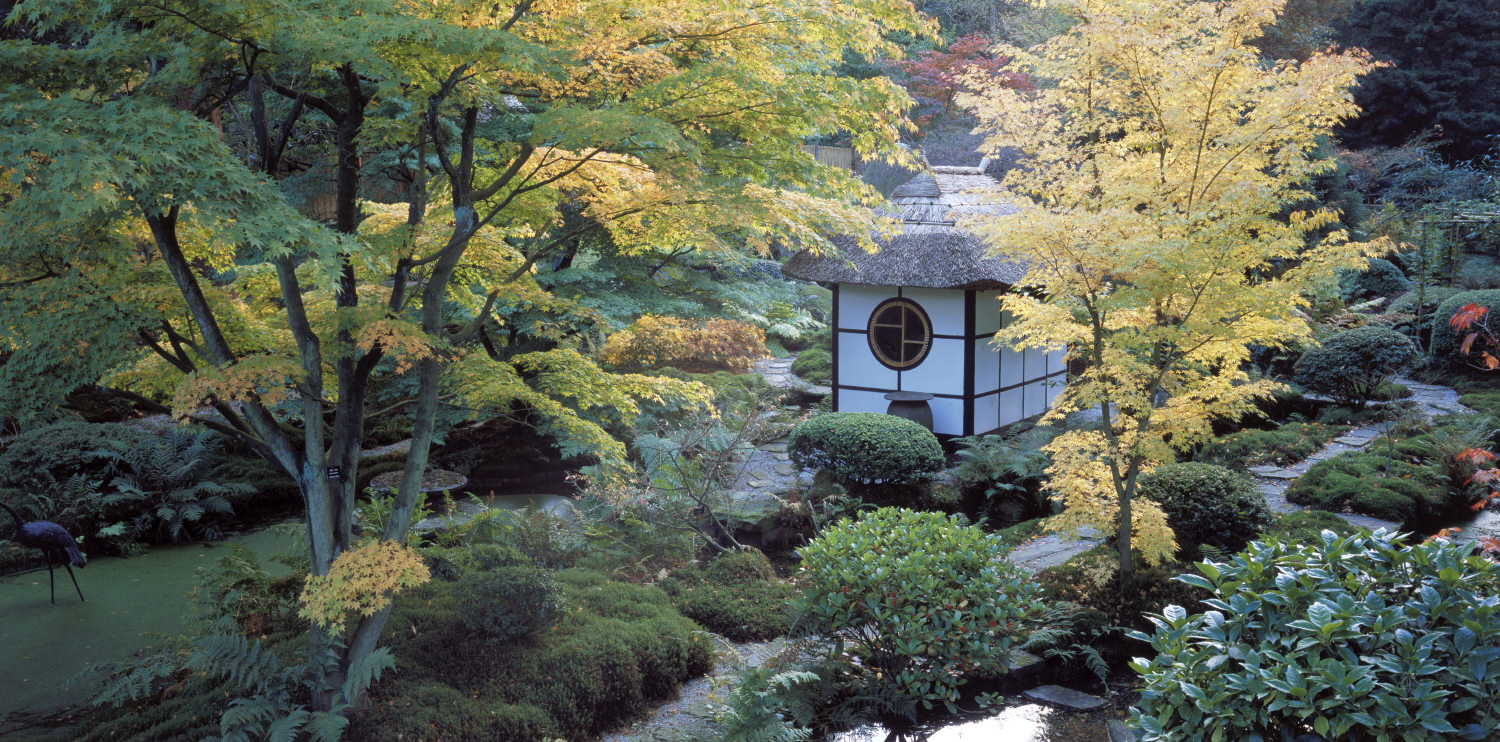
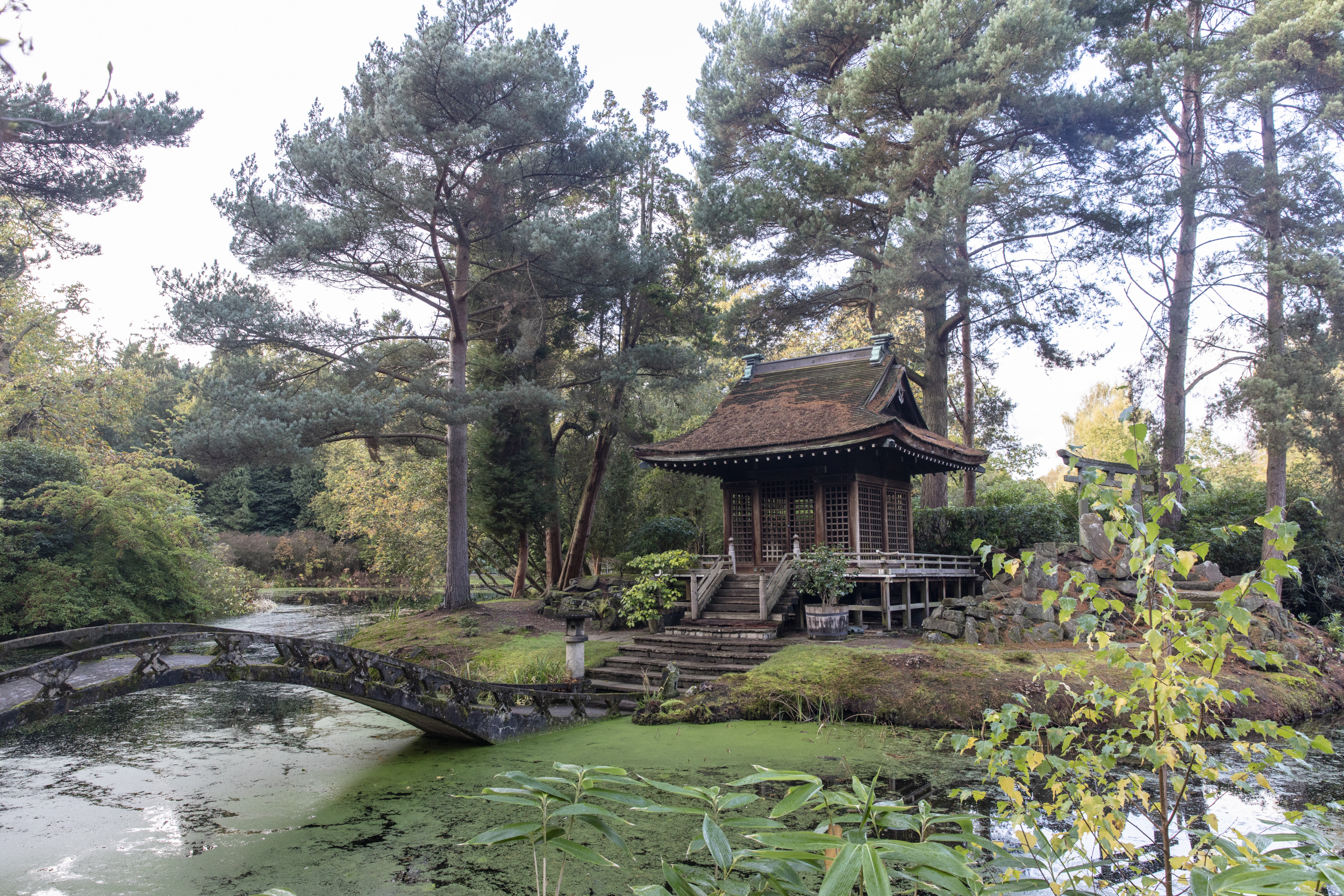
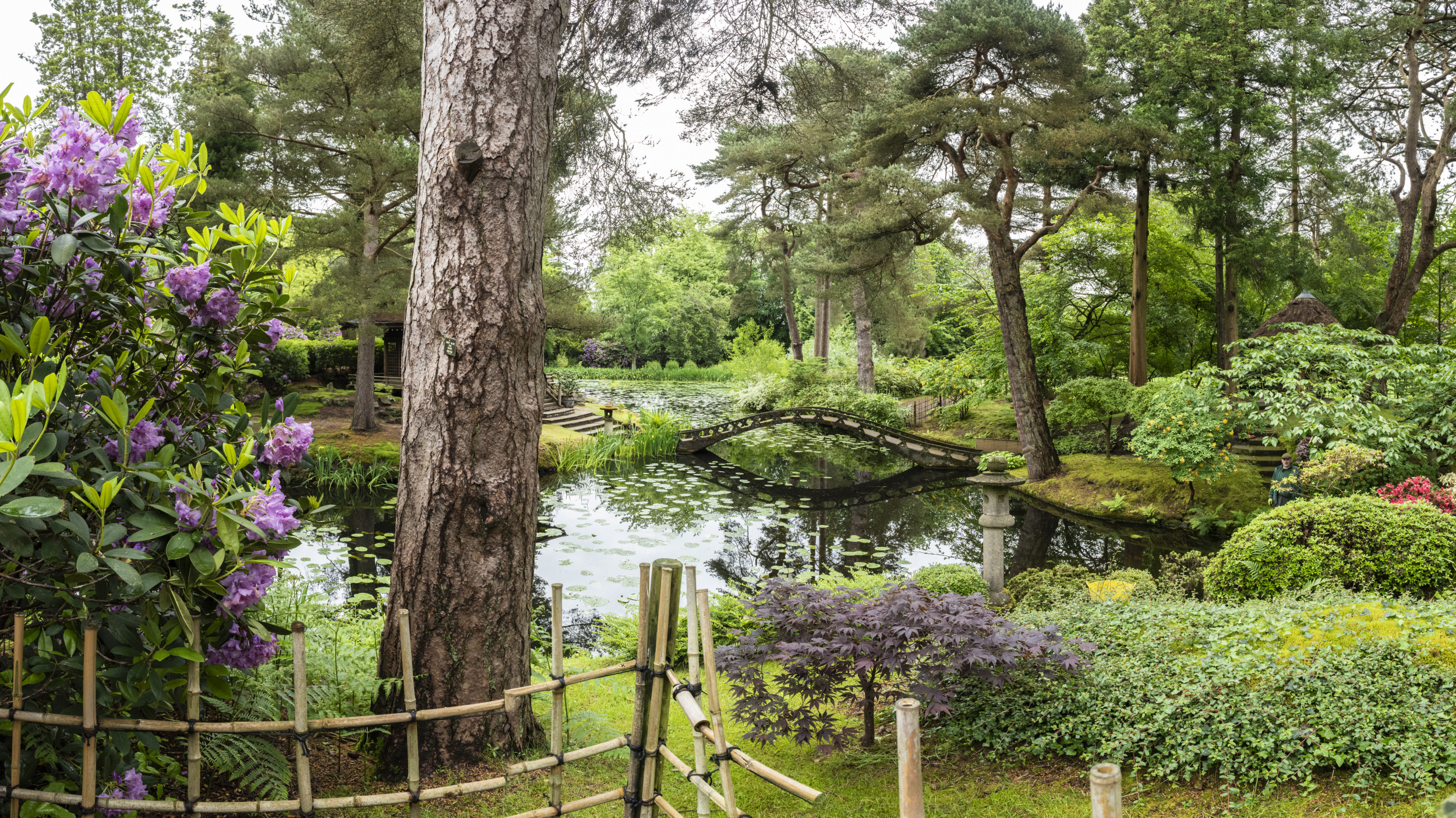
At the end of the pleasure garden, between the broad walk and the arboretum, lie the Japanese garden. The gardens date back to the eighteenth century, with additions through the nineteenth century. The Japanese garden was begun in 1910, inspired by Lord Egerton’s visit to the Anglo-Japanese Exhibition that year. The torii gate, shinto shrine, some lanterns, and tea house were brought from Japan, possibly as kits that were made for the Western market. Some items may have been purchased from the Exhibition itself, although some artefacts, like the Korean lantern, are not actually Japanese.

Restoration in the early 2000's

The garden had become heavily overgrown and was restored in the early 2000/2001. Professor Masao Fukuhara of Osaka University directed the restoration and immediately remarked that it was not a garden a Japanese garden designer would have designed.

It is believed that the garden was designed by Lord Egerton himself and his head gardener, based on what Lord Egerton had seen at the Exhibition and what he had read in popular books on Japanese gardens at the time. It is known that he had a copy of Josiah Conder’s Landscape Gardening in Japan (1893). It was constructed by Japanese workers who probably helped with the design. It includes a stone pagoda and a earthen mound symbolizing  mount Fuji. The National Trust and Professor Fukuhara determined to preserve the garden as an exquisite example of a Edwardian gentleman’s idea of a Japanese garden, as it is representative of the Anglo-Japanese style of the late Victorian and Edwardian periods. Professor Fukuhara expanded the garden with a series of karasansui gravel beds and boulders to give it a more authentic Japanese element, but these were added without changing the layout or design of the original garden.

The Japanese principle of shakkei

The Japanese garden is enclosed with a bamboo fence, and includes plants traditional in a Japanese garden, like acers, azaleas, and pines.

The garden skilfully applies the principles of shakkei, ‘borrowed landscape’, beyond the garden which is incorporated into views. The pond, rhododendron, and trees in the arboretum through and beyond the Japanese garden connect the Japanese garden to the larger garden. The Japanese garden is also designed to be seen in all four seasons, and is especially magical after a snowfall.

Tatton Park is a unique arrangement, in that it was willed to the National Trust by the last Lord Egerton, but it is managed and funded by the Cheshire Council. The Japanese garden is mostly maintained by highly-trained volunteers, most of whom are affiliated with the Japanese Garden Society. The Shinto Shrine was vandalized during the pandemic and is in need of repair. Major repairs to the garden are funded by the council.

Tatton Park Japanese Garden

The last in our online course A History of Gardens 3, on Tues@10 am. Sponsored by Wooden Books.

... (more)

We have just published another new on-line issue of our journal Garden History. Dr Barbara Simms, our Journal Editor introduces... (more)

Does it give you a buzz of excitement when others share your enjoyment of historic parks and gardens? If so,... (more)